Egypt Uncovers 7-Foot Statue of Pharaoh Ramses II
Archaeologists in Egypt discovered a massive 6-ton statue believed to depict Ramses II, the powerful pharaoh linked to the biblical Exodus story. The 7-foot monument, found in the Nile Delta, offers new insights into ancient Egypt's religious history.
A towering piece of ancient history has emerged from the sands of Egypt, connecting us to one of civilization's most legendary rulers.
Archaeologists recently uncovered a massive statue at the Tel Pharaoh site near Cairo, believed to represent King Ramses II. The monument weighs between 5 and 6 tons and stretches over 7 feet long, making it a remarkable find despite missing its legs and base.
Egypt's Ministry of Tourism and Antiquities announced the discovery on April 22, calling it significant evidence of religious activity in the eastern Nile Delta region. The statue's size alone speaks to the power and influence Ramses II wielded during his reign from 1303 to 1213 B.C.
Ramses II remains one of ancient Egypt's most influential rulers of the New Kingdom era. Many scholars believe he was the pharaoh referenced in the biblical Book of Exodus, though the Old Testament never names him directly.
Egyptian antiquities official Mohamed Abdel Badie explained that the statue was likely transported in ancient times from the city of Pi-Ramesses to be reused at Tel Pharaoh, known then as "Imet." This movement reflects how important the site remained across different historical periods.
The team immediately transferred the statue to a museum storage facility in San El-Hagar to begin careful restoration work. Experts are using the highest scientific standards to preserve this ancient treasure for future generations.
The Ripple Effect
This discovery joins a wave of exciting archaeological finds across Egypt this year. In late March, officials revealed eight rare papyrus scrolls dating back nearly 3,000 years, their secrets still waiting to be unlocked.
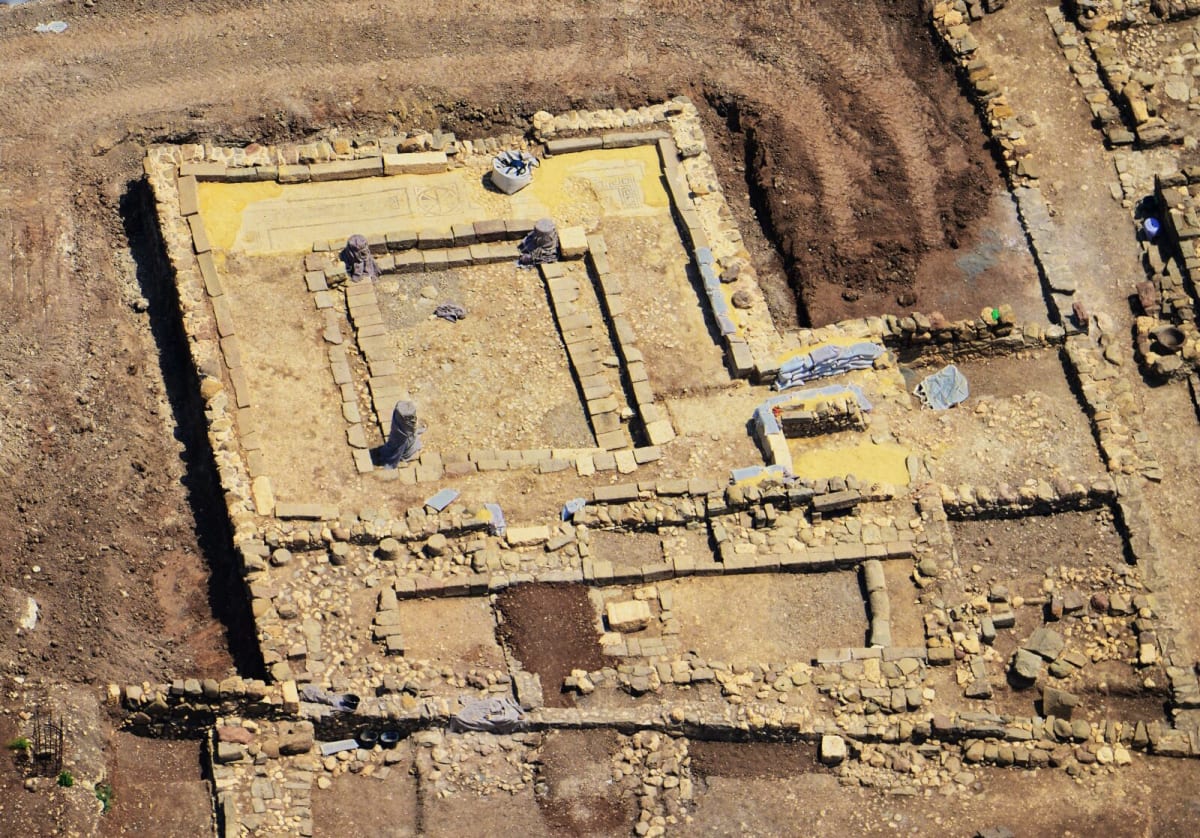
Researchers also recently unveiled remains of an ancient religious complex in North Sinai, a location often connected to biblical cities mentioned in the Old Testament. Each find helps us better understand the sophisticated civilization that built the pyramids and shaped human history.
The statue's relatively poor condition hasn't dampened researchers' enthusiasm. Every crack and weathered surface tells a story of millennia passing, of empires rising and falling, of a ruler so powerful his legacy endures 3,200 years after his death.
These discoveries remind us that history isn't just dusty textbooks but real people, real power, and real stories waiting beneath our feet.
More Images


Based on reporting by Fox News Travel
This story was written by BrightWire based on verified news reports.
Spread the positivity!
Share this good news with someone who needs it