Egypt Uncovers Medieval Port City at Red Sea Site
Archaeologists in Egypt have discovered massive water cisterns and ancient buildings at Aydhab, a medieval port that once connected three continents through trade and pilgrimage. The find reveals sophisticated infrastructure that sustained thousands of travelers crossing the Red Sea during the Middle Ages.
Deep beneath the sands of Egypt's Red Sea coast, archaeologists just uncovered a window into one of history's busiest crossroads.
An Egyptian archaeological team has revealed major discoveries at Aydhab, an ancient port city in Halayeb that flourished during medieval times. The Supreme Council of Antiquities announced the findings on May 28, 2026, calling it a significant window into Egypt's role as a bridge between continents.
The centerpiece of the discovery is a massive water cistern measuring over 49 feet long and nearly 10 feet tall. Built from sandstone and coral stone, the structure was coated with lime plaster to prevent leaks, showing remarkable engineering for its time.
But this wasn't just one cistern. The team found multiple water storage facilities across the southern section of the site, each designed to support the thousands of pilgrims and traders who passed through annually.
These structures sustained an entire maritime ecosystem. Pilgrims from Egypt and North Africa stopped here on their journey to holy lands, while merchants traded goods from India, Yemen, and East Africa.
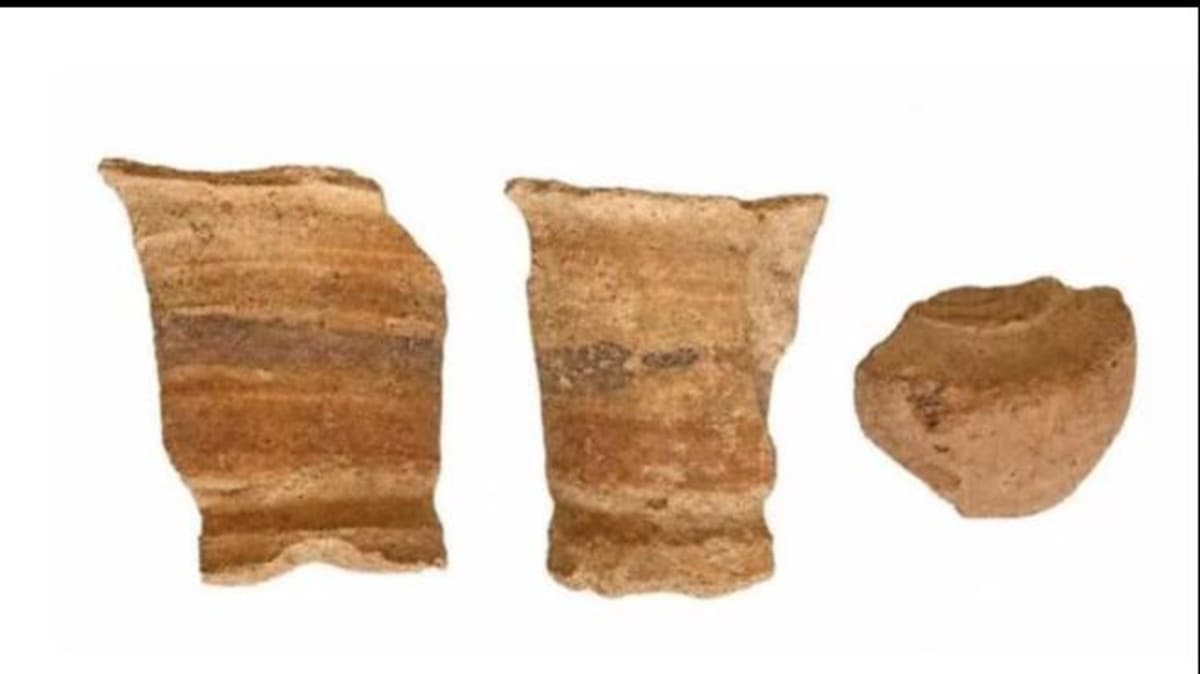
The archaeological evidence backs up those trade connections. Researchers found pottery fragments from the Fatimid period, including green-glazed pieces, alongside imported Chinese ceramics that traveled thousands of miles to reach this desert port.
Beyond the cisterns, the excavation revealed residential buildings, watchtowers, and service facilities. This suggests Aydhab operated with sophisticated administrative and logistical systems, not unlike modern port cities.
The Ripple Effect
This discovery does more than fill in historical blanks. It shows how ancient civilizations solved the same problems we face today: how to sustain communities in harsh environments and facilitate peaceful exchange across different cultures.
Minister of Tourism and Antiquities Sherif Fathy emphasized that excavations in border regions continue because of their historical and cultural importance. Secretary-General Hesham El-Leithy noted that these cisterns were vital for sustaining the commercial activity and pilgrims who depended on the port.
The find reminds us that human ingenuity has always found ways to connect, trade, and support each other across vast distances, even in the most challenging landscapes.
Based on reporting by Google: archaeological discovery
This story was written by BrightWire based on verified news reports.
Spread the positivity!
Share this good news with someone who needs it