Egypt Unearths 4,000-Year-Old Treasures at Ancient Sites
Archaeologists in Egypt just discovered a stunning collection spanning three civilizations, including a rare 4,000-year-old royal cartouche and the country's first complete ancient funerary set. These finds are rewriting what we know about life in ancient Egypt.
A marble head of Aphrodite, Roman coin molds, and a pharaoh's royal signature have just emerged from Egyptian soil after thousands of years underground. On Sunday, Egypt's Ministry of Tourism and Antiquities revealed major discoveries at two ancient sites that showcase the remarkable cultural layers of one of history's greatest civilizations.
At Heracleopolis (ancient Ihnasya), excavators found artifacts spanning Egyptian, Greek, and Roman periods all in one location. The star find is a cartouche bearing the throne and birth names of Pharaoh Senusret III, who ruled during Egypt's Middle Kingdom around 1870 BCE.
Hisham El-Leithy from Egypt's Supreme Council of Antiquities called the cartouche discovery "highly important" because it confirms the city's sacred status during that era. The team also found a second cartouche honoring Osir-Naref, a local version of Osiris, the Egyptian god of the dead who was worshiped extensively in the region.
The excavation revealed the ruins of a Roman basilica that served as a public building during Ptolemaic times before becoming an early Christian church. Archaeologists discovered that builders had repurposed stones from a 6th century Doric temple to create the basilica's foundation and support its massive columns, some weighing 45 tons.
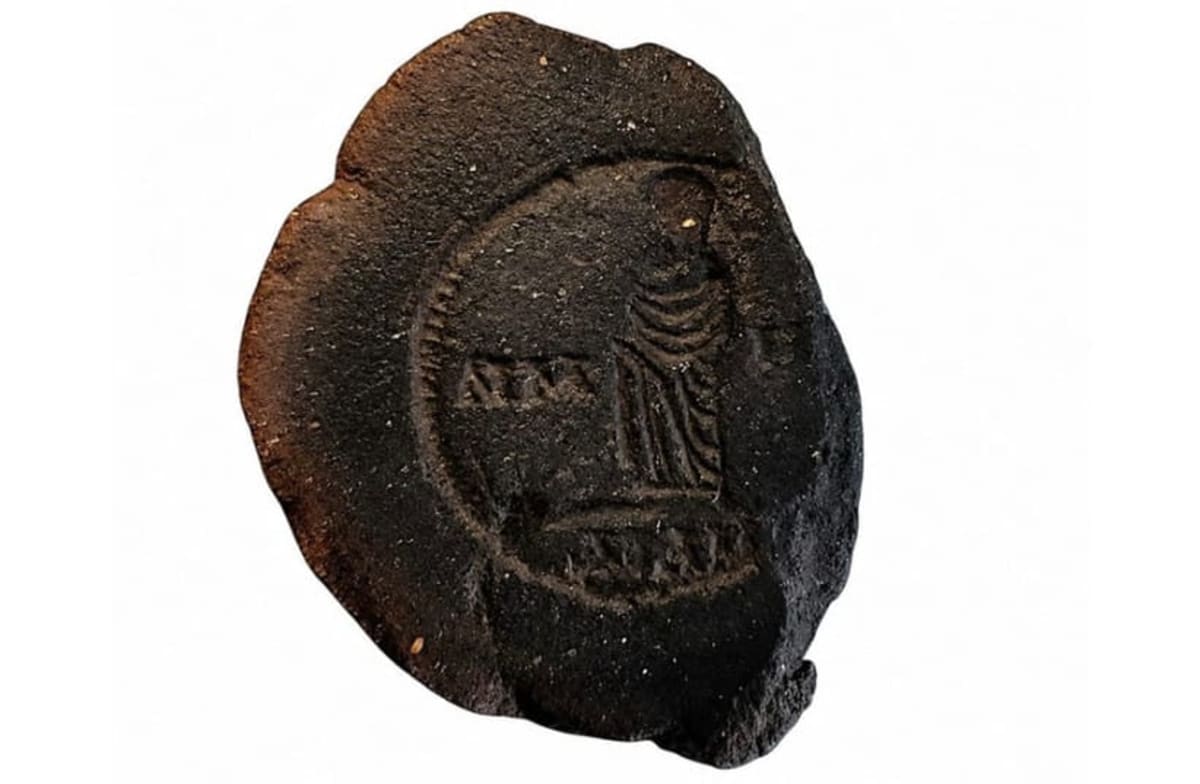
Among the Greek-era finds, the team uncovered a beautifully preserved marble head from a statue of Aphrodite, showing the goddess with curly hair and classical facial features typical of divine statues from that period. Wall statues and pottery molds used for minting Roman coins rounded out the collection.
Meanwhile, at Heliopolis near modern Cairo, archaeologists made another groundbreaking find. They discovered Egypt's first near-complete ancient Egyptian funerary set at the Panhesy Tomb, tucked beneath a mud-brick burial containing human remains.
The funerary set included a copper mirror and three vessels for kohl (ancient eye cosmetic), with two alabaster containers still holding kohl residue after millennia. A third vessel crafted from black obsidian completed the remarkable collection.
Why This Inspires
These discoveries show us that there are still untold stories waiting beneath our feet. Every artifact gives us a more complete picture of how ancient people lived, worshiped, and mourned their loved ones.
The finds at Heracleopolis are particularly moving because they show three great civilizations building literally on top of each other, reusing and respecting what came before. Those Roman builders who carefully positioned 45-ton columns on ancient Greek temple stones were connecting their present to a sacred past.
Egypt's Tourism Minister Sherif Fathy emphasized that these discoveries highlight "the cultural and civilizational diversity Egypt witnessed throughout different eras." The funerary set, with its mirror and cosmetics still intact, offers an intimate glimpse into personal rituals that connected the living with those they lost.
History keeps revealing that human creativity, devotion, and craftsmanship are timeless.
More Images

Based on reporting by Google: ancient artifact found
This story was written by BrightWire based on verified news reports.
Spread the positivity!
Share this good news with someone who needs it