Egyptian Women Turn Food Waste Into 38% Water Savings
In water-scarce Egypt, rural women are using solar dryers and processing equipment to save crops from spoiling and boost water productivity by 38%. What started as fighting food waste became a path to skilled jobs and community leadership.
In Egypt's Qena and Minya regions, women farmers used to watch nearly a third of their tomato harvest rot in the heat, taking with it all the precious water used to grow those crops.
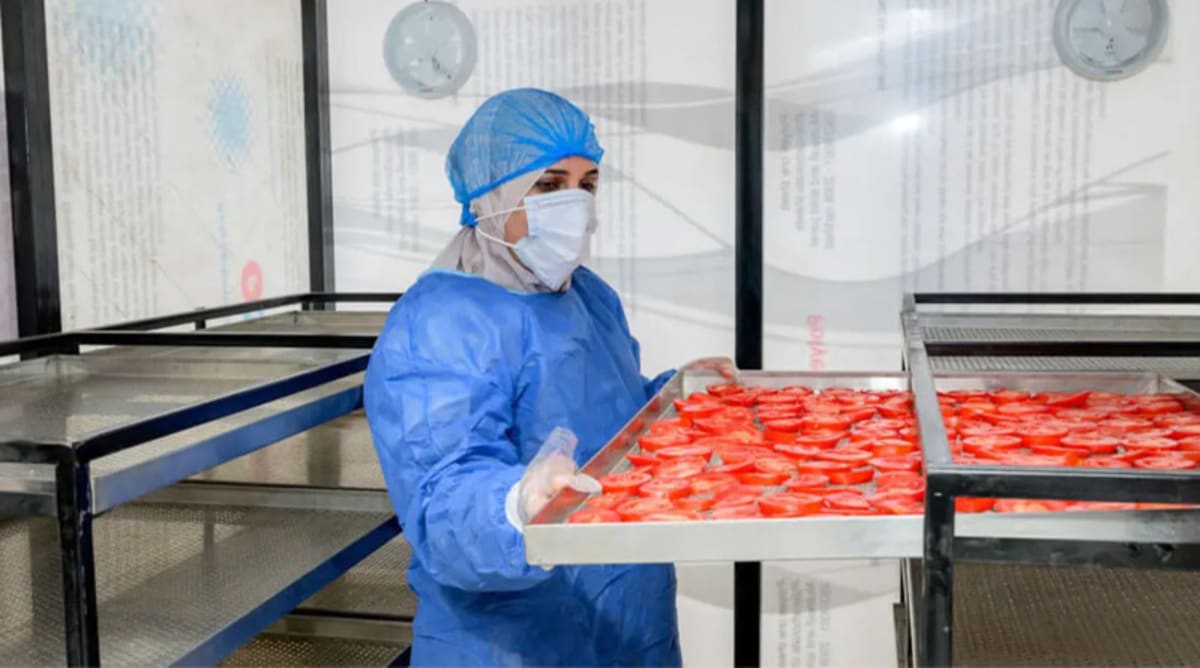
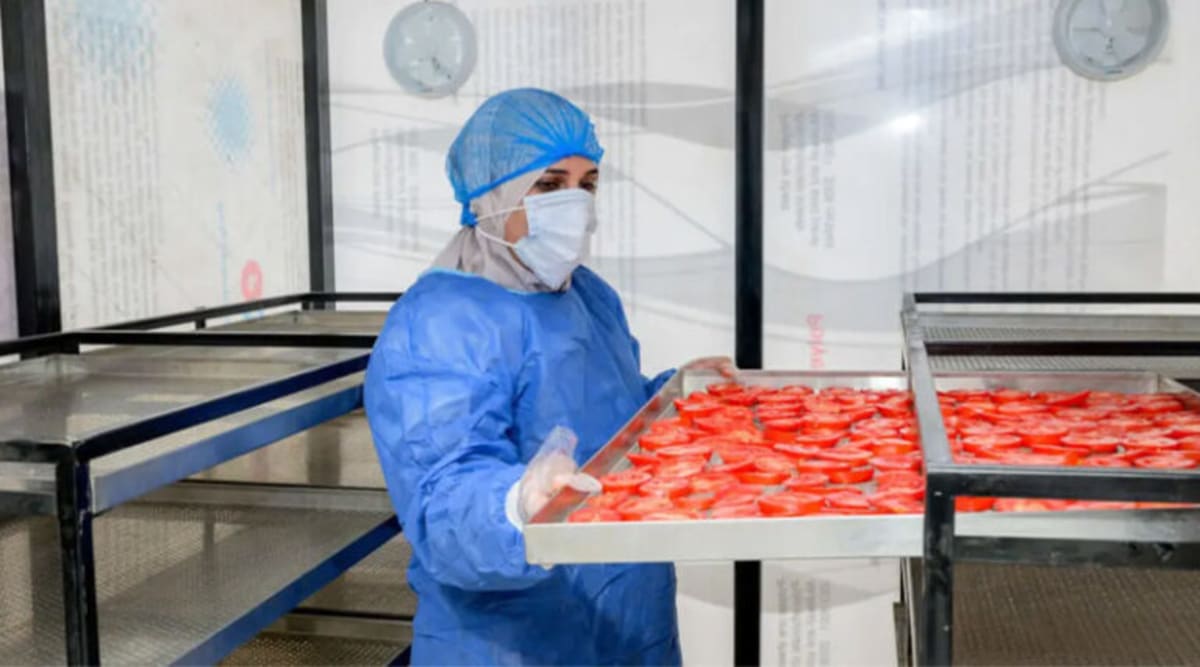
Now, thanks to solar-powered dryers and processing equipment, those same women are transforming surplus produce into dried tomato flakes and sesame oil. The result is remarkable: water productivity jumped 38% across the region's farming systems.
The International Center for Agricultural Research in the Dry Areas introduced small-scale processing units to local cooperatives as part of a project funded by Japan. Women received hands-on training to operate hybrid solar dryers, vegetable slicers, grinders, and oil extractors.
The technology tackles a problem that has plagued dryland farming for generations. When tomatoes flooded local markets during harvest season, prices crashed and produce spoiled. Without preservation methods, up to 30% of tomatoes and 15% of sesame crops were lost to heat and decay.
The solar dryers changed that equation completely. Tomato losses dropped from 30% to just 10%, increasing water productivity for that crop by 28%. Sesame oil extraction cut losses from 15% to 5%, boosting water productivity by 13%.
The Ripple Effect
The impact extends far beyond water savings. Women who once worked seasonal, low-wage jobs now run skilled processing operations. They set prices, manage inventory, and make business decisions.
"These tools are helping us create jobs that fit our community's needs while giving us a seat at the table," said a representative from Al Karam for Integrated Development, one of the participating NGOs in Qena. The processing units provide safe, local workspaces where women build technical skills and take on leadership roles.
In Al Ashraf village, the shift from selling raw crops to producing finished goods has stabilized household incomes. Families no longer depend on unpredictable market prices during harvest gluts. The preserved products command higher prices and can be sold year-round.
The model addresses climate pressures and food security simultaneously. As temperatures rise and water becomes scarcer, preventing post-harvest losses becomes critical for survival. Every tomato saved is gallons of irrigation water preserved.
ICARDA continues working with cooperatives, NGOs, and Egypt's Ministry of Water Resources and Irrigation to expand the program. With each new processing unit, more women gain the tools to turn surplus into security and seasonal labor into lasting enterprise.
More Images
Based on reporting by Google News - Egypt Innovation
This story was written by BrightWire based on verified news reports.
Spread the positivity!
Share this good news with someone who needs it