Egypt's Desert Yields 80-Million-Year-Old Dinosaur Fossils
A groundbreaking research center in Egypt has discovered new dinosaur species and ancient creatures in the Western Desert, rewriting what scientists thought they knew about prehistoric life in Africa. The finds prove North Africa was once a thriving habitat for dinosaurs, giant crocodiles, and ancient apes.
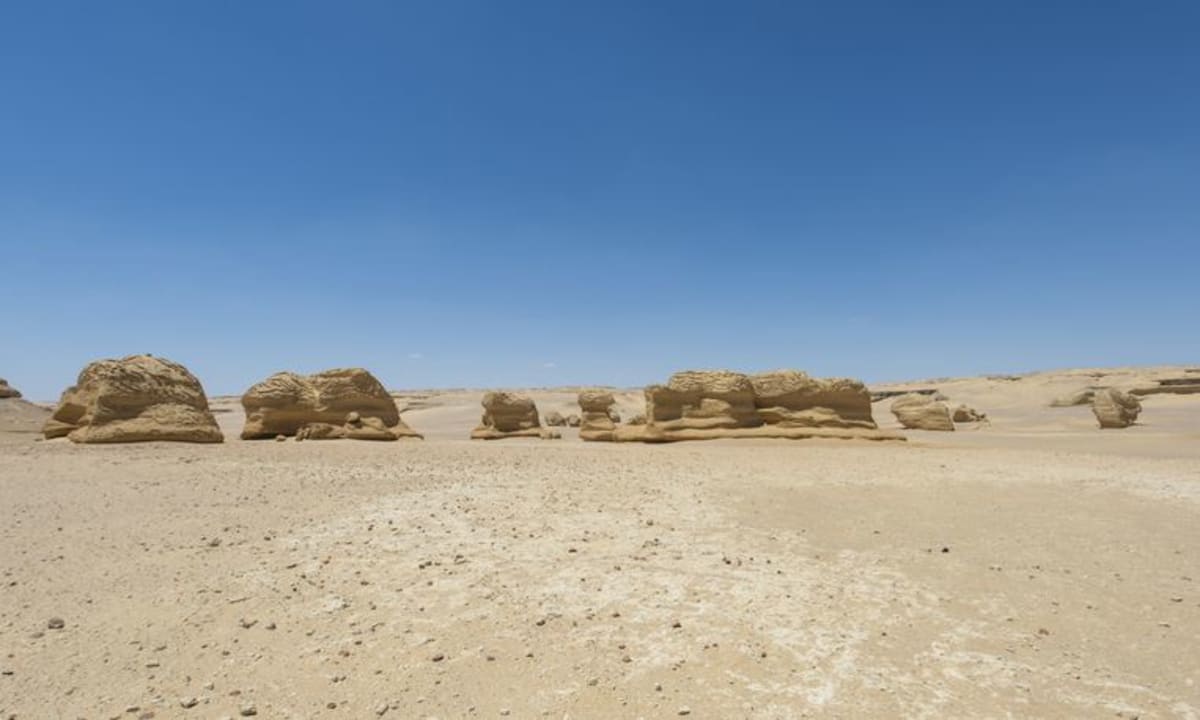
Scientists at Egypt's Mansoura University have turned the country's barren Western Desert into one of the world's most exciting dinosaur discovery sites.
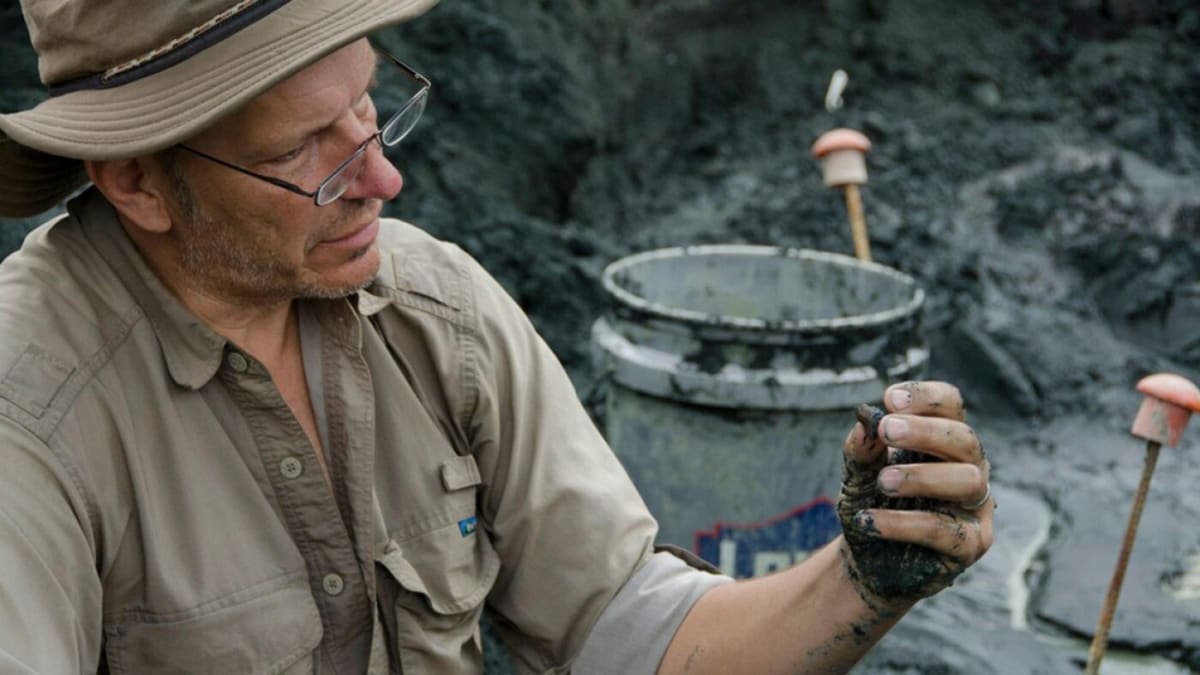
The Vertebrate Paleontology Center, the first of its kind in the Middle East, has unearthed fossils that are changing our understanding of ancient life. Led by Professor Hesham Sallam and his Egyptian research team, the center has made discovery after discovery in just a few years.
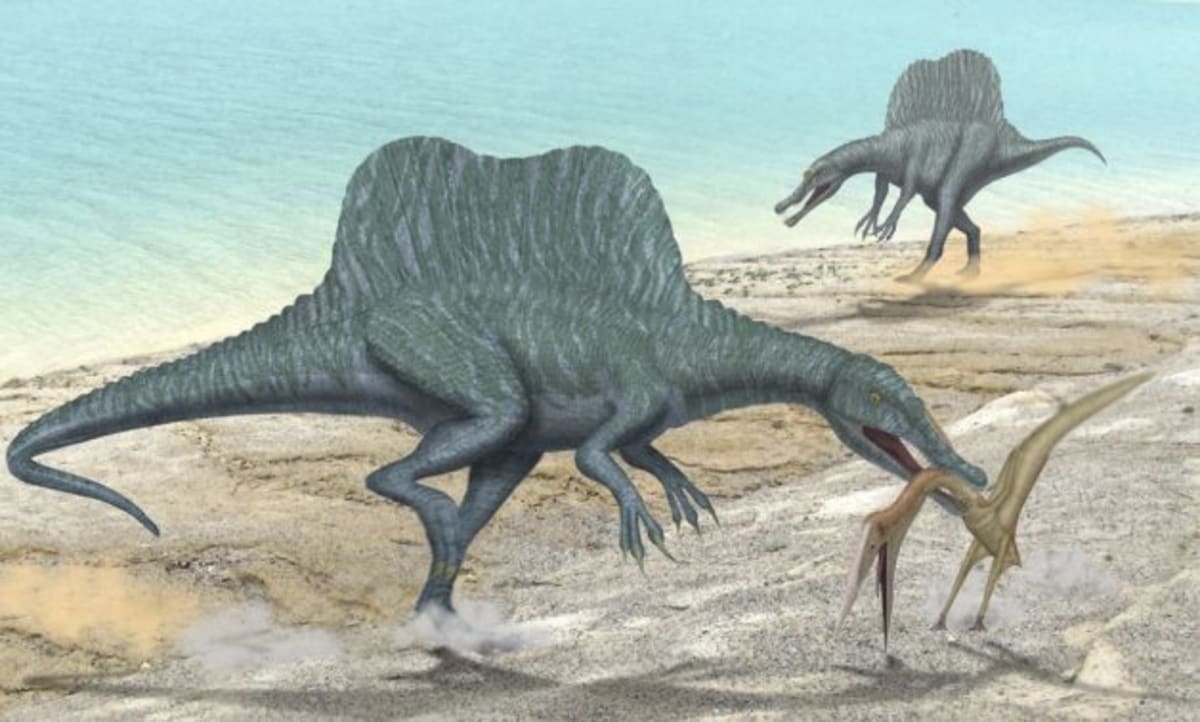
Their biggest find is Mansourasaurus, a dinosaur that roamed Egypt 80 million years ago during the Cretaceous period. The discovery proved that Africa's dinosaurs were connected to their European cousins in ways scientists never expected. It also showed that Egypt once hosted rich, diverse ecosystems teeming with prehistoric life.
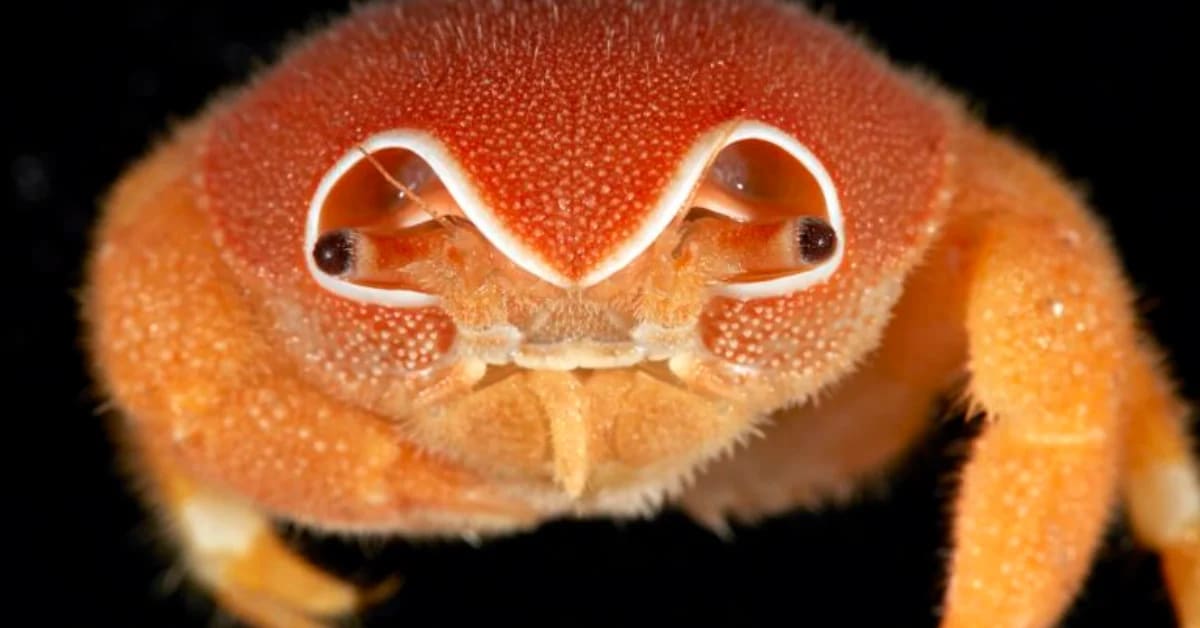
The team didn't stop there. They found Wadisoxus, an ancient crocodile species from the same era, which helped explain how these reptiles evolved and survived the extinction event that wiped out the dinosaurs. They've also discovered predatory mammals from 30 million years ago and reclassified species that were first found over a century ago.
One discovery challenged a major assumption in paleontology. The team found ancient ape fossils in the Western Desert, proving that great apes didn't originate only in East Africa as scientists long believed. North Africa was also a crucial habitat for our distant ancestors.
The Western Desert has become an open treasure chest of prehistoric secrets. Where endless sand dunes stretch today, forests once grew alongside flowing rivers. Dinosaurs wandered through lush vegetation. Giant reptiles basked near water sources. Diverse mammals hunted and foraged in a landscape that looked nothing like modern Egypt.
Why This Inspires
These discoveries put Egyptian scientists on the global stage, with their research published in top international journals. The center attracts researchers from around the world who want to learn from the Egyptian team's methods and join future excavations.
Egypt has long been known as the cradle of human civilization, but this work reveals it's also a cradle of ancient life itself. The center proves that scientific excellence can emerge from anywhere when researchers have passion, dedication, and support.
Every fossil tells a story millions of years in the making, and Egypt is finally sharing chapters the world never knew existed.
Based on reporting by Google: scientific discovery
This story was written by BrightWire based on verified news reports.
Spread the positivity!
Share this good news with someone who needs it