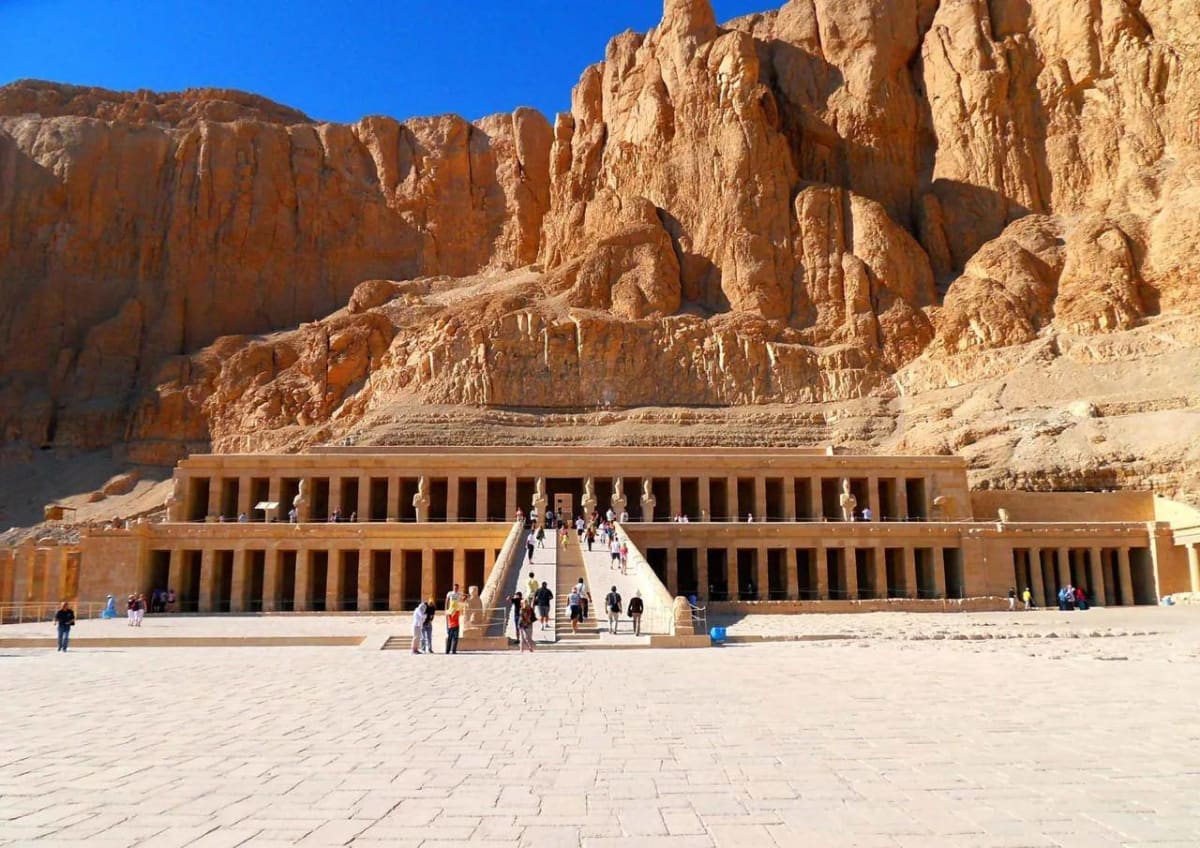
Egypt's Luxor Temples Get Digital Upgrade for Tourists
Egypt is racing to modernize Luxor's ancient temples before winter tourist season arrives, doubling entry capacity and adding interactive displays. The project combines high-tech security with careful restoration to reveal centuries-old colors hidden under soot.
Imagine walking into a 3,000-year-old temple and watching its story unfold on interactive screens while smart gates whisk you through in seconds instead of sweating through hour-long lines.
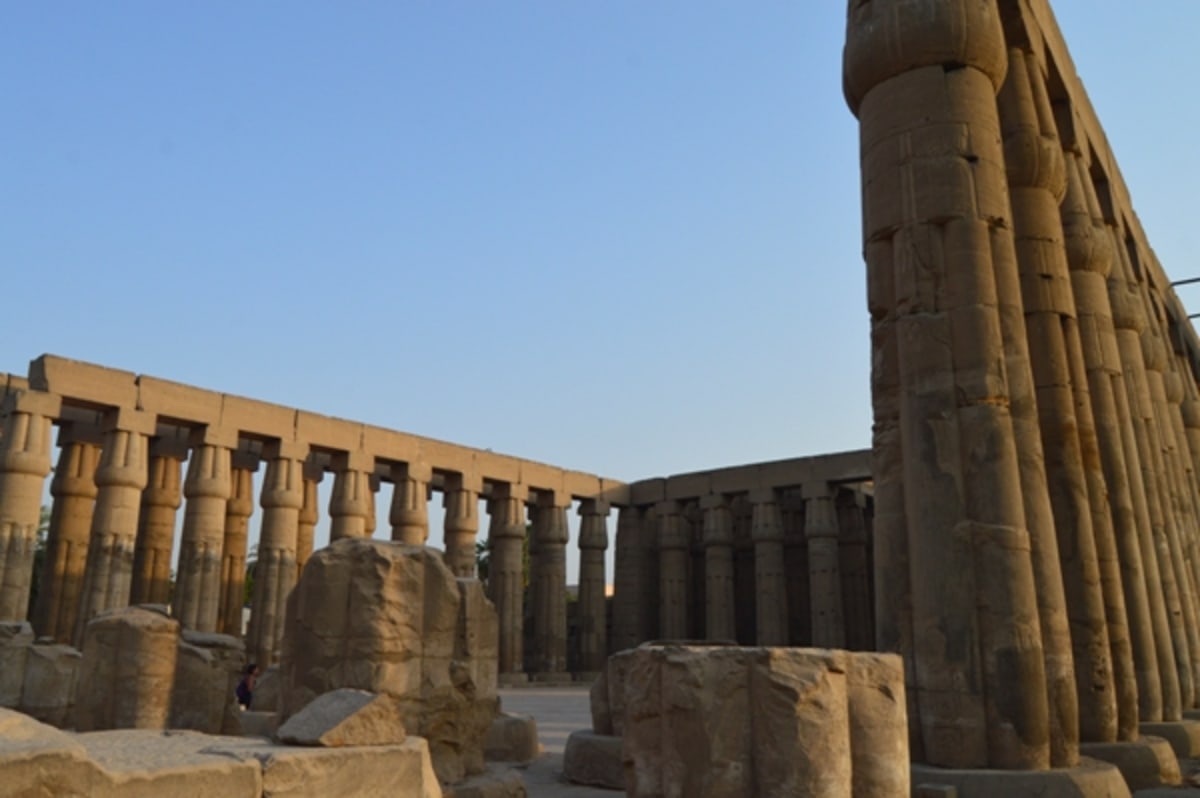
That's the transformation happening right now across Luxor's ancient temples. Egypt's Ministry of Tourism and Antiquities is rushing to complete a massive modernization project before the busy winter season begins, targeting four legendary sites: Luxor Temple, Karnak, Hatshepsut, and Seti I.
At Luxor Temple's entrance, the changes are dramatic. Workers are expanding the entry hall from 110 square meters to 250, adding six new gates with advanced scanners to cut waiting times. Larger shaded areas will protect visitors from Egypt's intense sun while they wait.
The Karnak Temples received a complete overhaul of their electronic surveillance system. A second phase is now underway to monitor every section of the surrounding walls, protecting priceless artifacts around the clock.
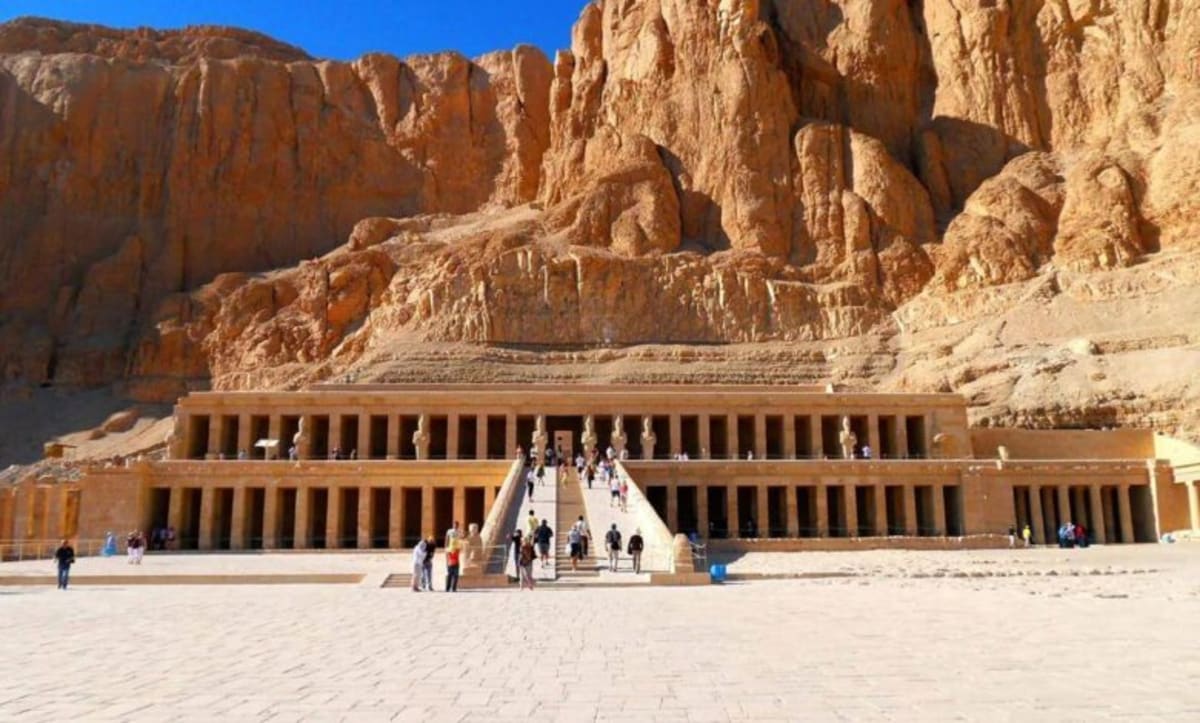
Hatshepsut Temple is getting perhaps the most exciting upgrade. Its visitor center is becoming a modern hub with an interactive cinema hall featuring screens that tell the temple's story in engaging new ways. Eleven electronic ticketing gates and advanced sterilization systems will welcome guests with 21st-century efficiency.
The Bright Side
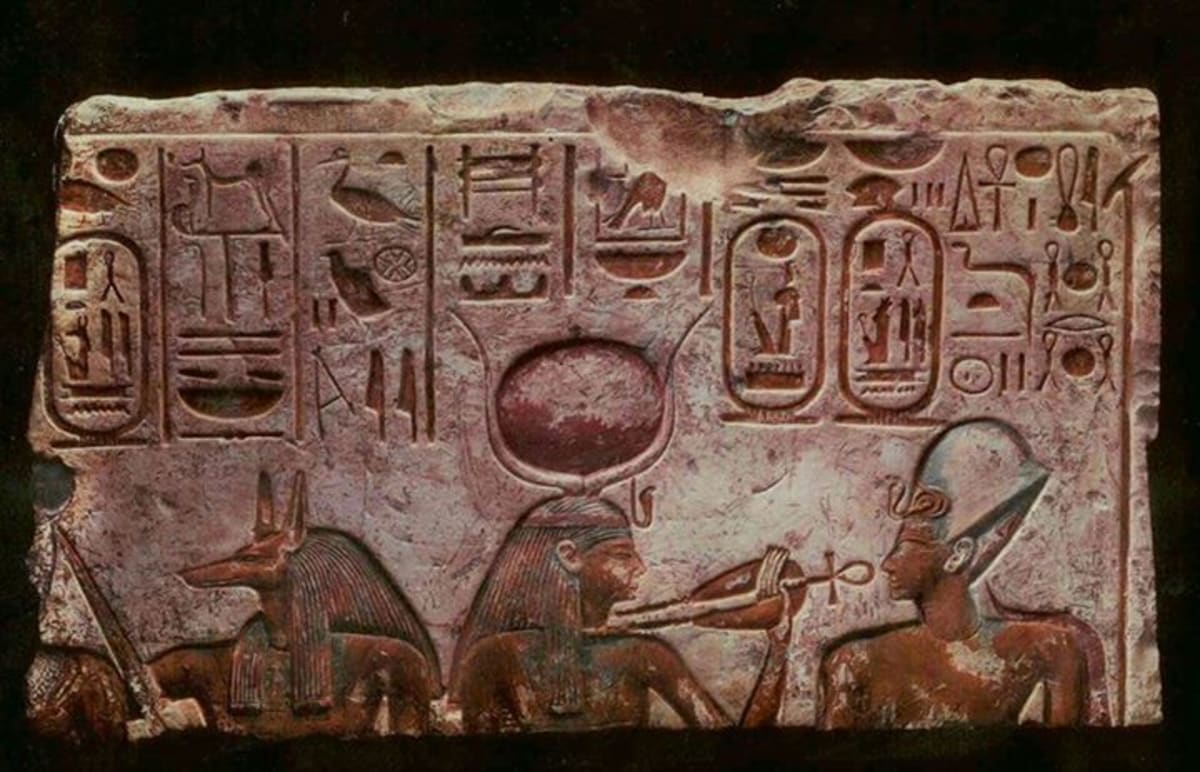
While construction teams install the new infrastructure, restoration specialists are revealing hidden treasures at the Temple of Seti I. They're carefully removing centuries of accumulated soot and bird waste from ancient engravings, bringing back vibrant colors that haven't been seen in generations. New sandstone walkways and updated educational signs will help visitors appreciate what they're seeing.
Egypt planned the heavy construction during the quieter summer months from May through August. This timing ensures tourists won't face disruptions when they arrive for the peak winter season.
The project shows how technology can protect the past while improving the present. Digital surveillance safeguards irreplaceable art, while interactive displays and smart ticketing make ancient history more accessible to everyone who visits.
By winter, the "World's Greatest Open-Air Museum" will offer something rare: a seamless blend of ancient wonder and modern convenience that lets visitors focus on the breathtaking history instead of the hassles.
More Images

Based on reporting by Egypt Independent
This story was written by BrightWire based on verified news reports.
Spread the positivity!
Share this good news with someone who needs it