Egypt's Solar Battery Model Spreads Across Middle East
A groundbreaking solar-plus-storage project in Egypt is becoming the blueprint for clean energy across the Middle East, promising to slash fossil fuel costs and create energy independence. Countries battling high fuel imports are racing to replicate the success.
Egypt just cracked the code on making solar power work around the clock, and now neighboring countries want in.
The 1.1 gigawatt Obelisk solar farm in Upper Egypt pairs massive solar panels with battery storage that can power hundreds of thousands of homes even after sunset. The project reached full financing in mid-2025 with backing from major development banks totaling nearly half a billion dollars.
What makes this special isn't just the size. It's the financial structure that makes it actually work.
Ahmed Mortada, who leads energy projects for the European Bank for Reconstruction and Development in the Middle East, says Egypt created a template that solves the biggest problem in renewable energy financing: making sure everyone gets paid. The Egyptian government backs the 25-year contracts with dollar guarantees, which convinced international lenders to fund the project.
"It's not a one-off," Mortada explained. The same structure is already being copied.
A second project in Aswan is moving forward with 200 megawatts of solar power plus battery storage. Two more are expected to close deals before year-end. Norway's Scatec just signed on for an even bigger project: 1.95 gigawatts of solar with massive battery storage, the largest on the African continent.
The timing couldn't be better. Battery costs have dropped dramatically over the past few years, making storage affordable just as Middle Eastern countries are desperate to reduce their dependence on imported oil and gas.
The Ripple Effect
Regional tensions are actually accelerating the shift to clean energy. When fuel supplies become unreliable or expensive, solar power paired with batteries becomes both cheaper and more secure.
Jordan is next in line. The country faces similar challenges to Egypt: high dependence on imported fossil fuels and government-subsidized electricity. In April 2026, Jordan signed agreements to start developing its own hybrid solar and battery projects using Egypt's proven model.
The most ambitious project still under wraps would deliver solar power 24 hours a day by pairing enormous solar farms with enough battery storage to function like a traditional power plant. Mortada calls it the first of its kind in the region and predicts many more will follow once developers see it succeed.
For countries that have spent decades burning expensive imported fuel, the math is simple: solar and batteries cost less, arrive more reliably, and never run out.
The EBRD has already financed more than 25 renewable energy projects in Egypt since 2016, each one building on lessons from the last. What started as an experiment in clean energy financing has become a regional movement, with development banks from Europe and Africa pooling resources to fund the transition.
The shift means cleaner air, lower electricity costs, and energy security for millions of people across a region that sees more than 300 sunny days a year.
More Images

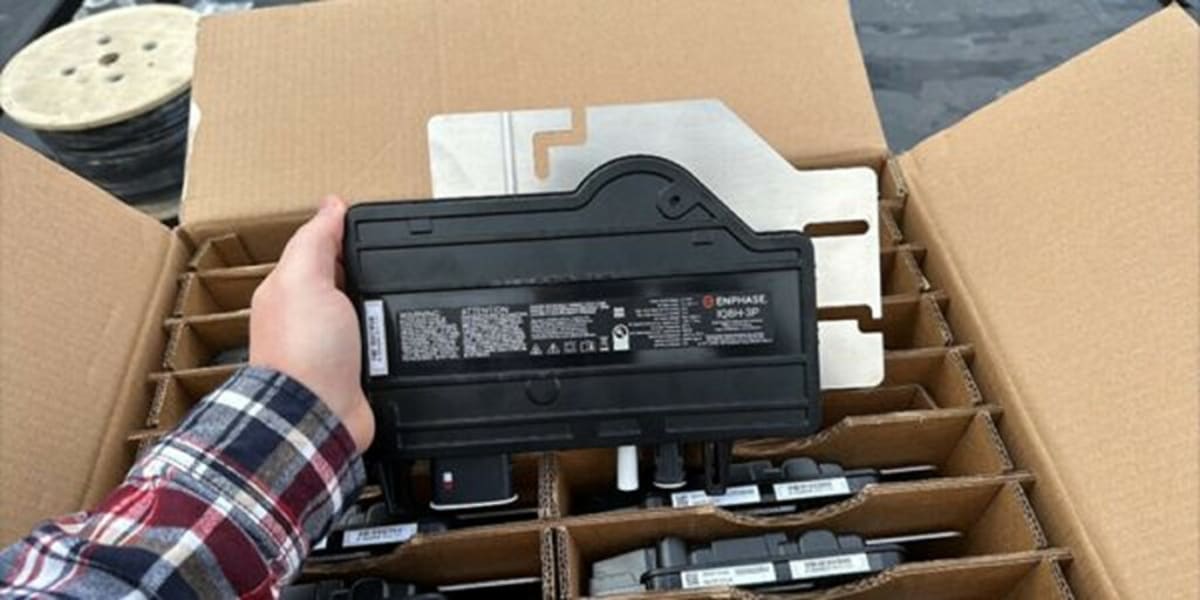

Based on reporting by PV Magazine
This story was written by BrightWire based on verified news reports.
Spread the positivity!
Share this good news with someone who needs it