Egypt's Tech Sector Soars 24% as AI Push Targets $8B Goal
Egypt's technology sector just posted its strongest growth ever at 24.3%, while the government launches ambitious plans to triple outsourcing exports and lead the Middle East in AI innovation. From experimental AI language models to nationwide innovation hubs, the nation is building a digital economy that could transform millions of lives.
Egypt's technology sector is having its best year on record, and the plans ahead could reshape opportunities for millions across the country.
The nation's ICT sector grew 24.3% in the final quarter of the 2025/2026 financial year, marking the highest growth rate Egypt has ever achieved. Outsourcing exports already reached $5.1 billion by the end of 2025, and the government now aims to push that to $8 billion by 2028.
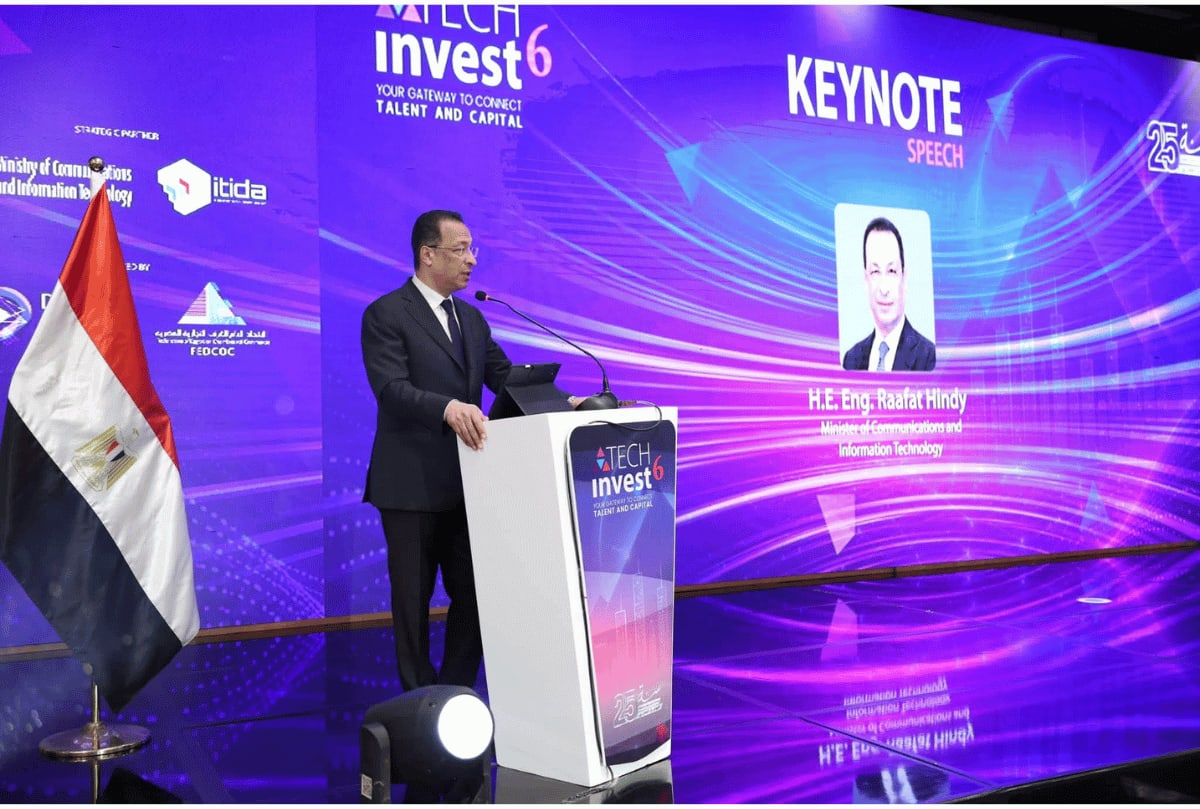
Minister of Communications Raafat Hindi announced these milestones at the Tech Invest Egypt conference in Cairo on September 7, where government officials, tech companies, investors, and entrepreneurs gathered to chart the country's digital future. The event focused on turning Egypt into an innovation powerhouse through better support for startups and easier access to funding.
The government is tackling the biggest challenges facing new tech companies head on. Hindi outlined plans to help startups access financing, grow their businesses, expand into markets, and keep talented workers in Egypt before launching to regional and international audiences.
Innovation support now reaches more than 20 Egyptian regions through Egypt Digital Innovation Hubs. These centers give entrepreneurs training, incubation programs, technical and legal advice, marketing help, and direct connections to investors who can fund their ideas.
The artificial intelligence push stands out as especially ambitious. Egypt recently launched experimental AI applications including "Karnak," a large language model, plus "Loghat" and "Belmasry" for language processing, speech recognition, and translation. Healthcare AI solutions are also in development.
Hindi said the priority now shifts from talking about AI's potential to actually deploying safe, responsible AI applications across government services and private businesses. The ministry is making advanced computing resources available so researchers and developers can build solutions they own and sell internationally.
A new government competition will soon invite entrepreneurs to create AI solutions that solve real developmental challenges. Winners get to pilot their technology in a government ministry first, with successful projects potentially expanding across all government agencies.
The Ripple Effect
The infrastructure supporting this tech boom creates opportunities that extend far beyond software companies. Government systems are opening up to innovative firms, allowing GovTech startups to improve public services that everyday Egyptians interact with regularly.
Skills development programs are preparing workers for jobs that didn't exist five years ago. The focus on digital transformation, technology localization, and domestic value creation means more of the economic benefits stay within Egypt's borders instead of flowing to foreign companies.
By building AI models in Arabic and Egyptian dialects, developers are creating technology that serves their communities directly rather than adapting Western solutions. This approach to digital sovereignty ensures Egyptian voices and needs shape the tools millions will eventually use.
The strategy combining infrastructure investment, startup support, and advanced technology development positions Egypt to compete globally while solving local challenges first.
Based on reporting by Google News - Egypt Innovation
This story was written by BrightWire based on verified news reports.
Spread the positivity!
Share this good news with someone who needs it