Electric Air Taxis Take Flight in 26 States This Summer
Flying taxis are about to become reality across America. The FAA just approved eight programs letting electric aircraft companies start testing in 26 states as early as this summer.
Imagine skipping traffic by hopping on an electric air taxi that whisks you from Manhattan to the airport in minutes. That future just got closer as the federal government greenlit groundbreaking test programs across half the country.
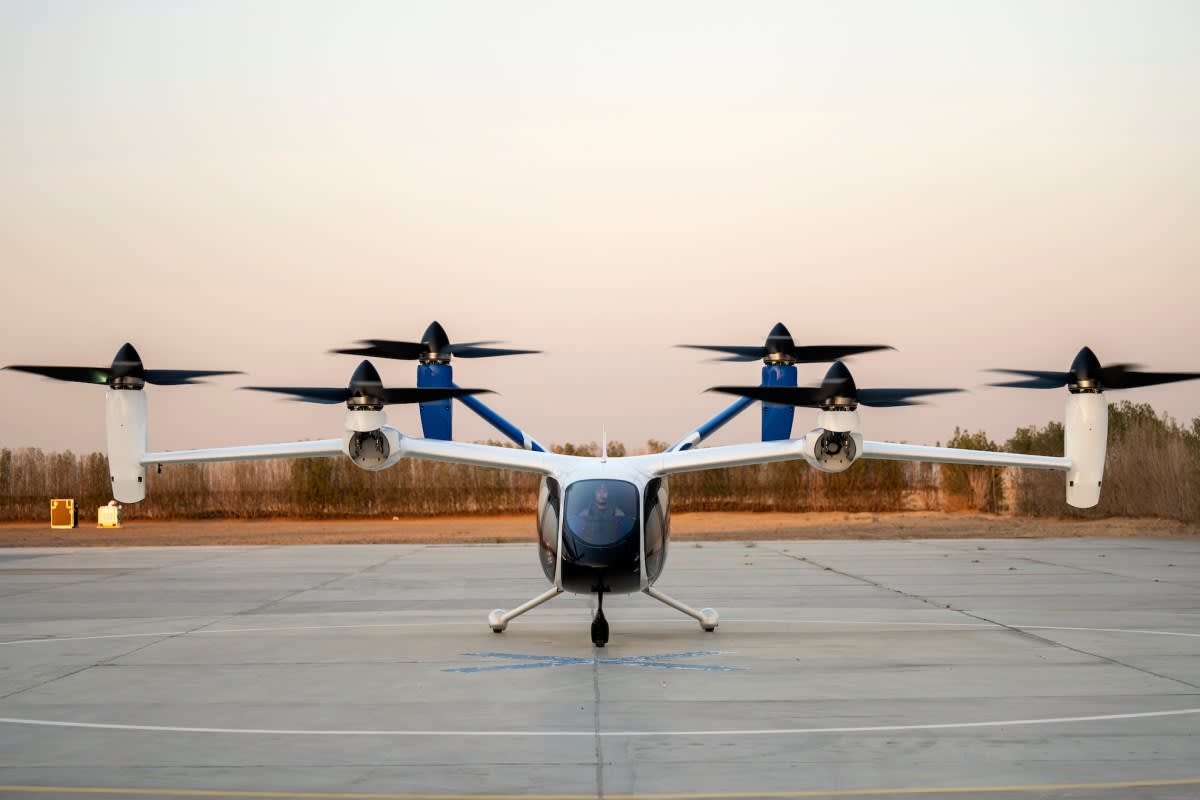
The Federal Aviation Administration approved eight pilot programs allowing companies like Archer Aviation, Joby Aviation, Beta Technologies, and Wisk to begin widespread testing of electric aircraft this summer. The three-year initiative spans 26 states and aims to put America at the forefront of next-generation air travel.
These aren't just experimental toys. The programs will test real-world applications including urban air taxis, regional flights connecting major cities, cargo delivery, and emergency medical transport.
New York and New Jersey are partnering with four companies to test operations from a Manhattan heliport. Texas plans to connect Dallas, Austin, San Antonio, and Houston with electric air taxi networks that will expand outward from each city.
Pennsylvania is leading a 13-state project to bring back regional flights across the country. Other programs will deliver cargo to energy sites in the Gulf and test autonomous operations in Albuquerque.
The timeline matters. Beta Technologies says joining the program accelerates their plans by a full year. Archer is already preparing to offer air taxi service for the 2028 Los Angeles Olympics.
Stock markets noticed too. Beta's share price jumped nearly 12% when the announcement hit, with Archer and Joby seeing similar gains.
The Ripple Effect
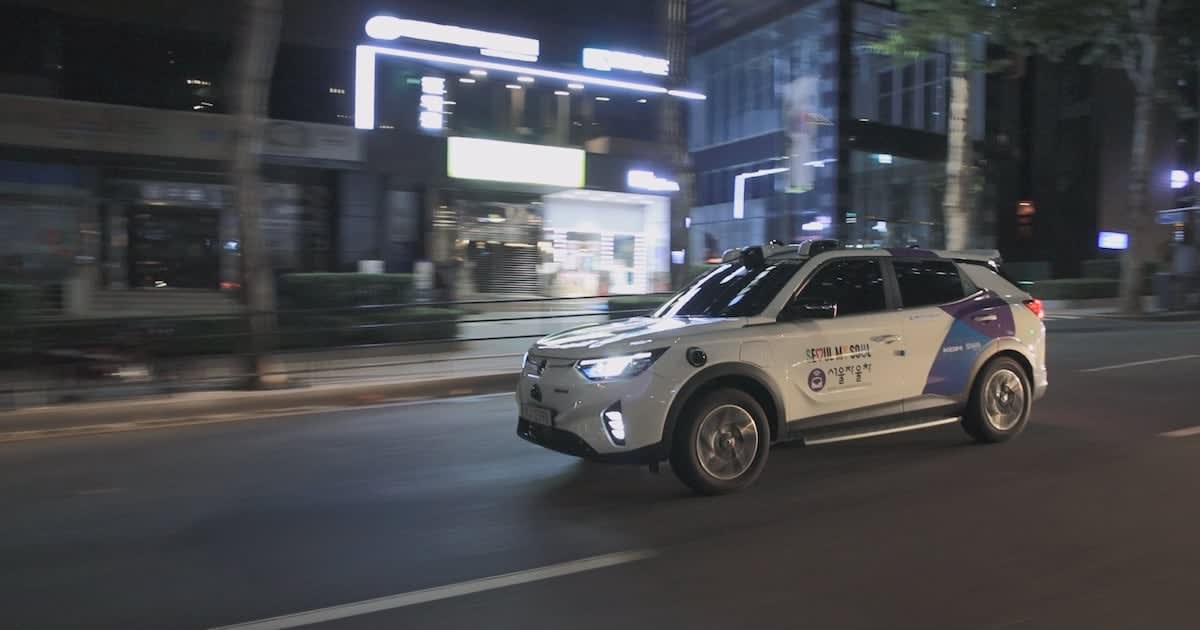
This program does more than help tech companies. By allowing testing before full certification, it creates a roadmap other countries will watch closely. Think of it like how early robotaxi testing helped communities understand self-driving cars.
Local and state governments aren't just watching from the sidelines. Each project requires partnerships with state, local, tribal, or territorial authorities, ensuring communities shape how this technology integrates into their regions.
The FAA received 30 proposals and chose eight that demonstrate the widest range of practical uses. From connecting remote areas to speeding up medical emergencies, these programs tackle real transportation challenges Americans face daily.
Companies will gather crucial data on safety, efficiency, and public acceptance that will inform regulations for years to come. Every test flight brings us closer to a world where beating rush hour means looking up instead of sitting still.
The sky is about to get a lot more interesting.
More Images



Based on reporting by TechCrunch
This story was written by BrightWire based on verified news reports.
Spread the positivity!
Share this good news with someone who needs it