Electric Aircraft Helps NC Medic Beat Ambulance by 20 Minutes
A pioneering North Carolina paramedic took flight in an electric aircraft, reaching a patient 20 minutes faster than ground transport. The successful test marks an exciting new era for rural emergency medical care.
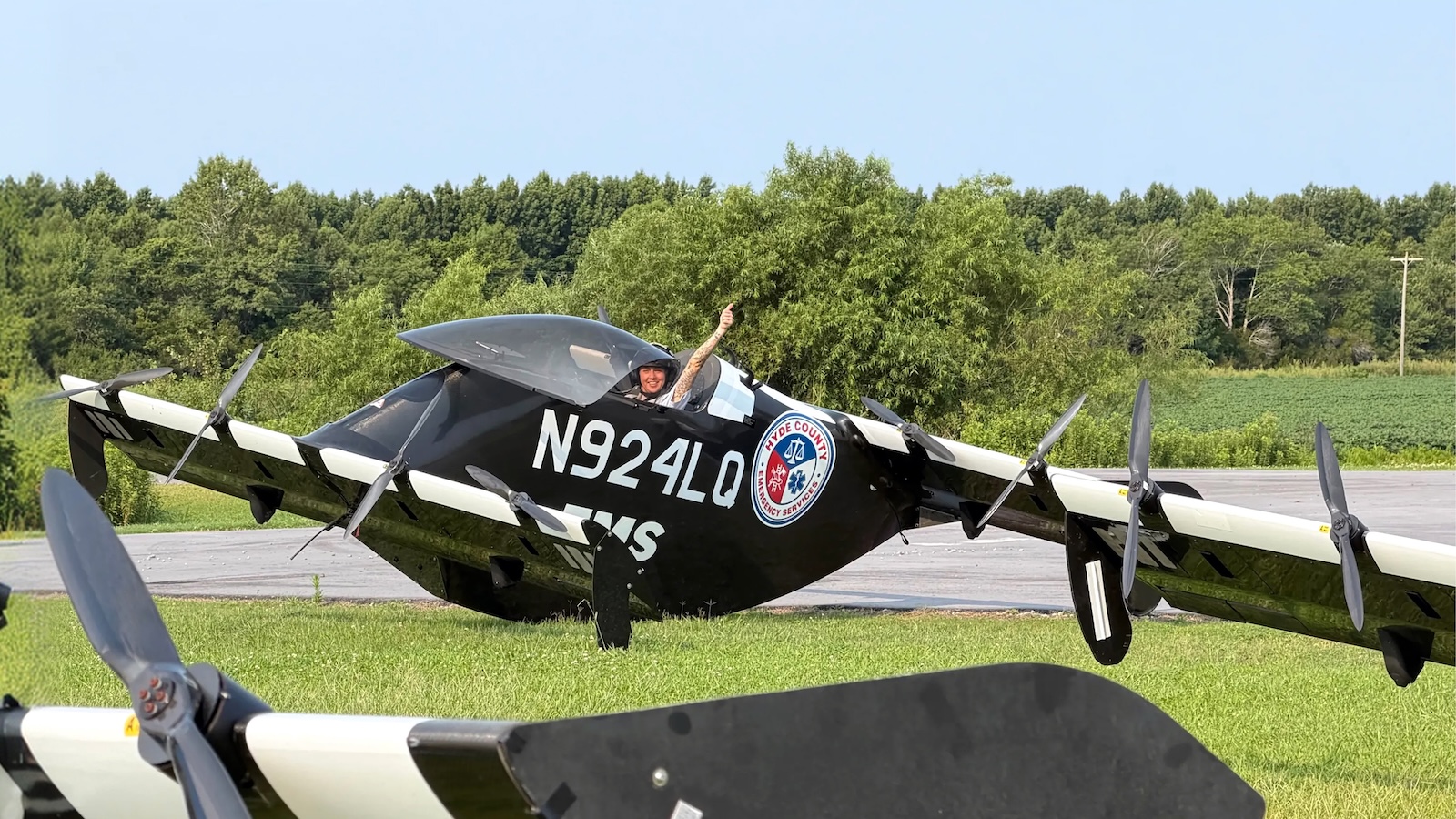
When a critical medical call echoed across the coastal marshes of Hyde County, North Carolina, help did not arrive on four wheels. Instead, paramedic Quinn Reece soared through the morning sky in a personal electric aircraft, landing beside her patient a full 20 minutes before ground ambulances could reach the scene.
The innovative vehicle, called the BlackFly, combines the vertical liftoff of a helicopter with the smooth forward cruising of a compact airplane. Developed by manufacturer Pivotal, this eight-propeller electric flyer allows a single first responder to glide over traffic, water barriers, and rugged terrain with ease.
During this milestone flight, Reece used her aerial vantage point to correct an inaccurate GPS location sent by county dispatch. Because she had completed hundreds of training flights over the region, she spotted the correct home immediately and guided ground crews straight to the address.
Hyde County Emergency Medical Services Chief Brook Cox launched the pilot program to solve a longstanding hurdle for remote communities. Across nearly 1,500 square miles of rural land and water, traditional ambulance response times often average nearly 15 minutes.
County officials conducted more than 300 practice runs before clearing the aircraft for real emergency calls. Their dedicated preparation ensured that every takeoff, route adjustment, and gentle yard landing felt second nature during high-pressure rescue moments.
Intuitive digital controls allow one person to safely act as pilot and medical provider without cumbersome operations. Flying at speeds above 60 miles per hour, Reece touched down with a cardiac monitor, airway tools, and emergency medication ready to stabilize the patient.
Unlike conventional helicopters, electric vertical takeoff craft can power up and launch instantly without requiring engine warmups or generating heavy carbon emissions. That immediate response matters tremendously in a profession where saving minutes often means saving lives.
Industry momentum is building quickly behind this lifesaving model. Companies like Jump Aero are already developing specialized emergency aircraft engineered to cruise at nearly 288 miles per hour, designed specifically to reach remote patients within minutes of a 911 dispatch.
The Ripple Effect
Hyde County's breakthrough demonstration is inspiring public safety agencies across the nation to rethink rural infrastructure. Rather than waiting for futuristic commercial air taxis, medical teams are proving that clean aviation can protect vulnerable lives right now.
Federal aviation officials and regional rescue departments are closely watching this test to establish frameworks for nationwide medical flight programs. As battery capacity grows, these zero-emission aircraft promise to turn vast rural distances into manageable hops for dedicated healers.
With heroic medics taking to clean skies, the future of emergency care is arriving faster and brighter than ever before.
More Images

Based on reporting by Grist
Building Something New? Try the BrightWire Tech Stack Advisor
Compare modern frameworks, cloud hosting, and AI tools tailored to your project budget and scale.
Spread the positivity!
Share this good news with someone who needs it