Electric Car Plant Unearths Ancient Avar Cemetery in Hungary
Construction workers building an electric vehicle factory in Szeged, Hungary, have discovered a perfectly preserved 1,400-year-old cemetery that could rewrite the region's medieval history. The rare find includes warrior graves, Byzantine treasures, and an entire ancient community frozen in time.
Building the future just unearthed the past in the most remarkable way.
Workers breaking ground for an electric vehicle plant in Szeged, Hungary, stumbled upon something extraordinary: a complete early Avar cemetery dating back to the 6th century. The discovery is so well-preserved and intact that archaeologists are calling it a game-changer for understanding medieval Central Europe.
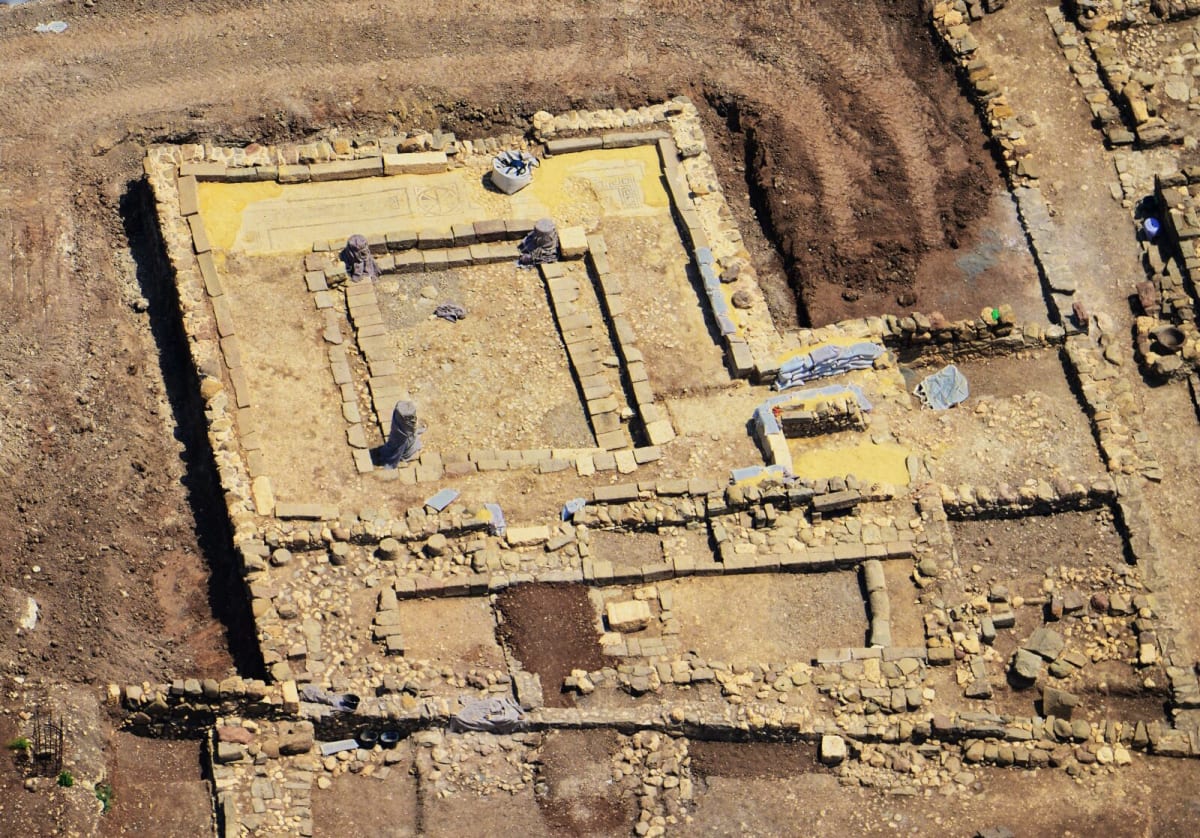
Teams from the Hungarian National Museum and Móra Ferenc Museum have identified twelve archaeological sites at the construction location, half of them previously unknown to historians. But one site stands out above all the rest.
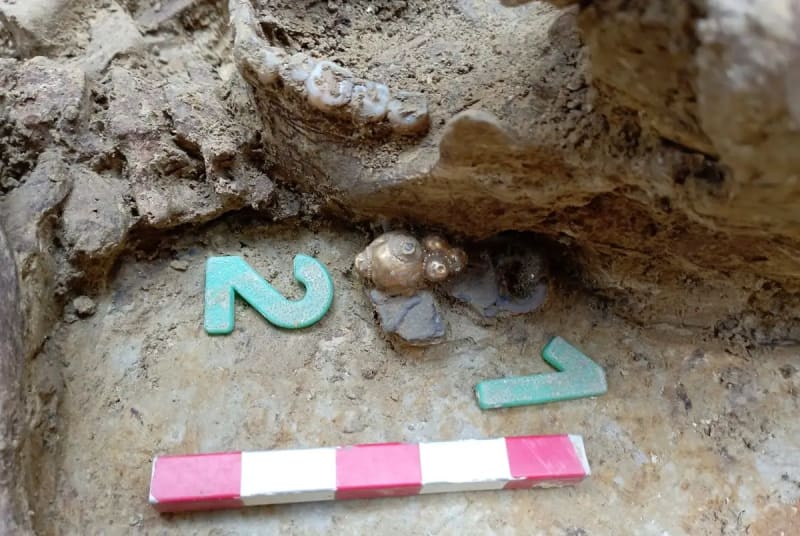
The Avar cemetery contains an entire community's burial grounds, completely intact and undisturbed for over a millennium. Women were laid to rest wearing delicate gold and silver jewelry, including finely crafted granulated earrings, bead necklaces, and ornate belts that showcase the artistry of their era.
Men's graves tell stories of a warrior culture. Archaeologists found swords, bows, and spears alongside their owners, with several burials including horse remains that reflect the Avars' legendary equestrian skills.
One warrior's skull bears clear evidence of battle trauma, offering rare physical proof of the conflicts that shaped this period. Byzantine objects scattered throughout the site suggest connections to the wars between the Avar Khaganate and the Byzantine Empire, adding new dimensions to our understanding of these ancient power struggles.
Why This Inspires
What makes this discovery truly special isn't just what they found, but that they found everything. Because the cemetery boundaries are completely defined, researchers can study an entire population rather than scattered fragments.
Archaeologist Tibor Sztankovánszki from the Móra Ferenc Museum explains this gives scientists an unprecedented opportunity to understand how a complete community lived, died, and honored their dead. It's like finding a time capsule that contains not just artifacts, but the story of everyone who called this place home.
The excavation continues as infrastructure work expands along Highway 5, with researchers expecting more discoveries. What started as construction for tomorrow's technology has become a window into yesterday's humanity.
Sometimes progress means looking backward and forward at the same time.
More Images

Based on reporting by Google: archaeological discovery
This story was written by BrightWire based on verified news reports.
Spread the positivity!
Share this good news with someone who needs it
%2Fhttps%3A%2F%2Ftf-cmsv2-smithsonianmag-media.s3.amazonaws.com%2Ffiler_public%2F81%2Fdd%2F81ddd40e-6ceb-4c0a-8b50-8faad9e7912c%2F3fgt4pc.jpg)