Electric Cars Could Pay You While They're Parked
Your electric car sits idle 95% of the time, but new research shows it could earn you money by feeding power back to the grid during peak hours. The technology exists, but utilities and car owners are stuck in a waiting game.
📺 Watch the full story above
Imagine getting paid every time your car sits in your driveway. That's the promise of vehicle-to-grid technology, and researchers just figured out why it's not happening yet.
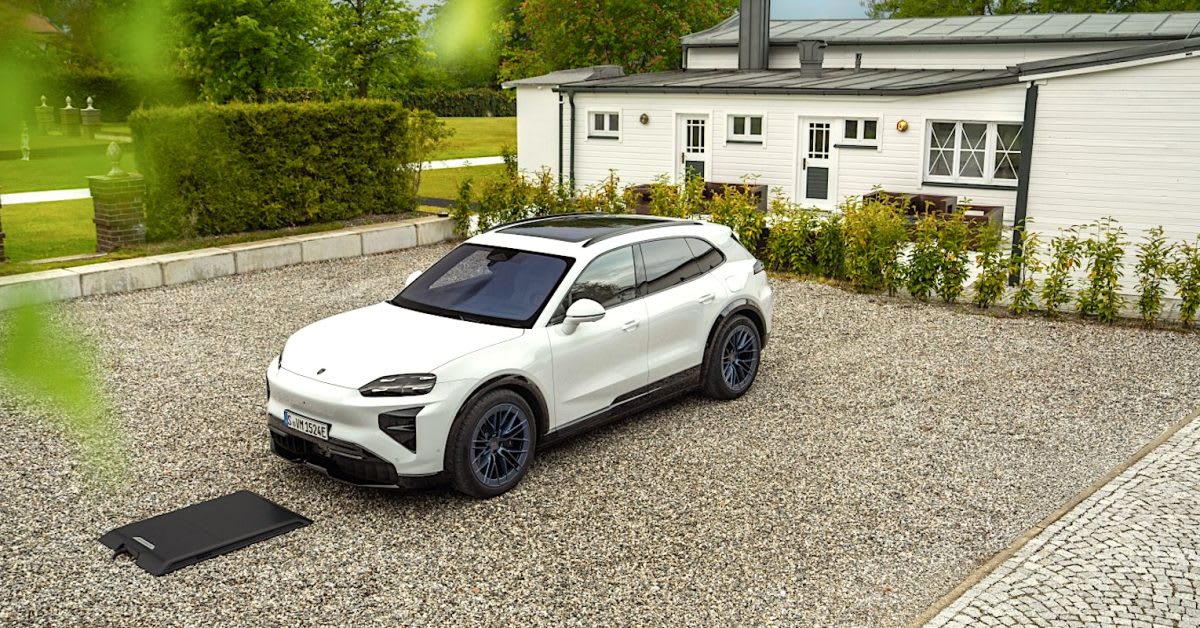
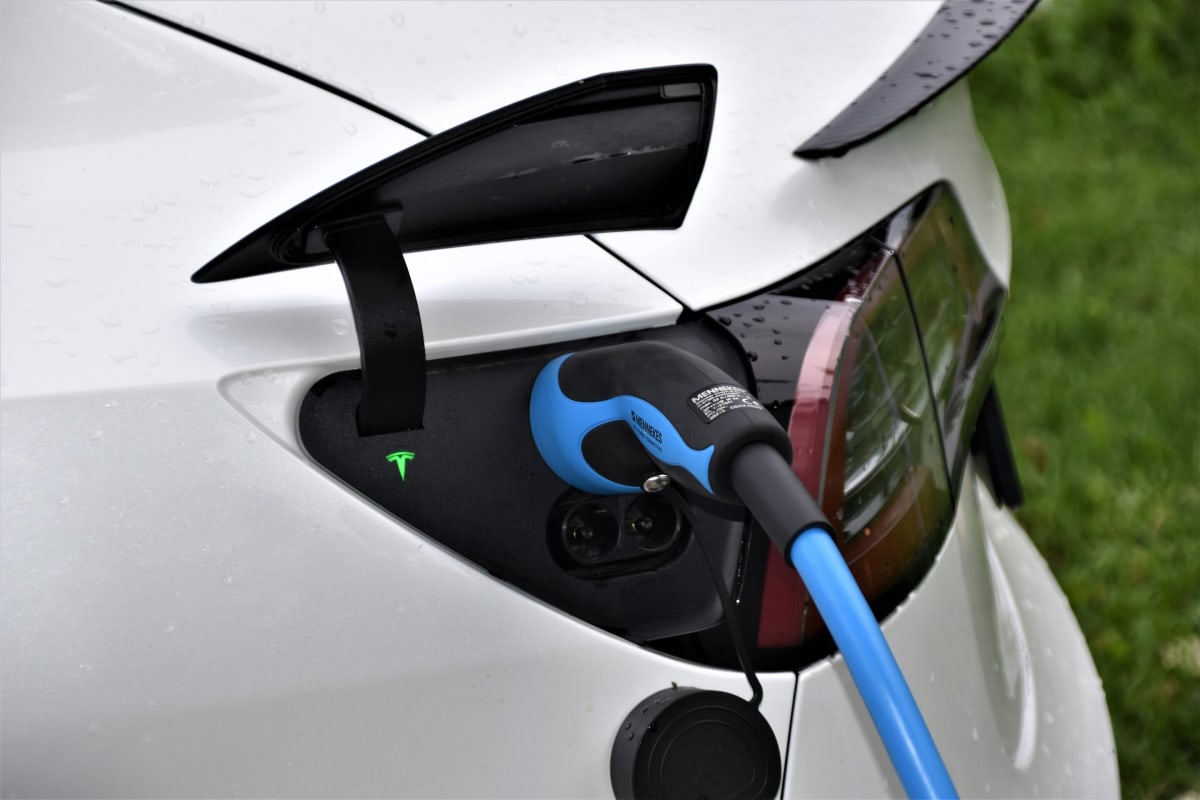
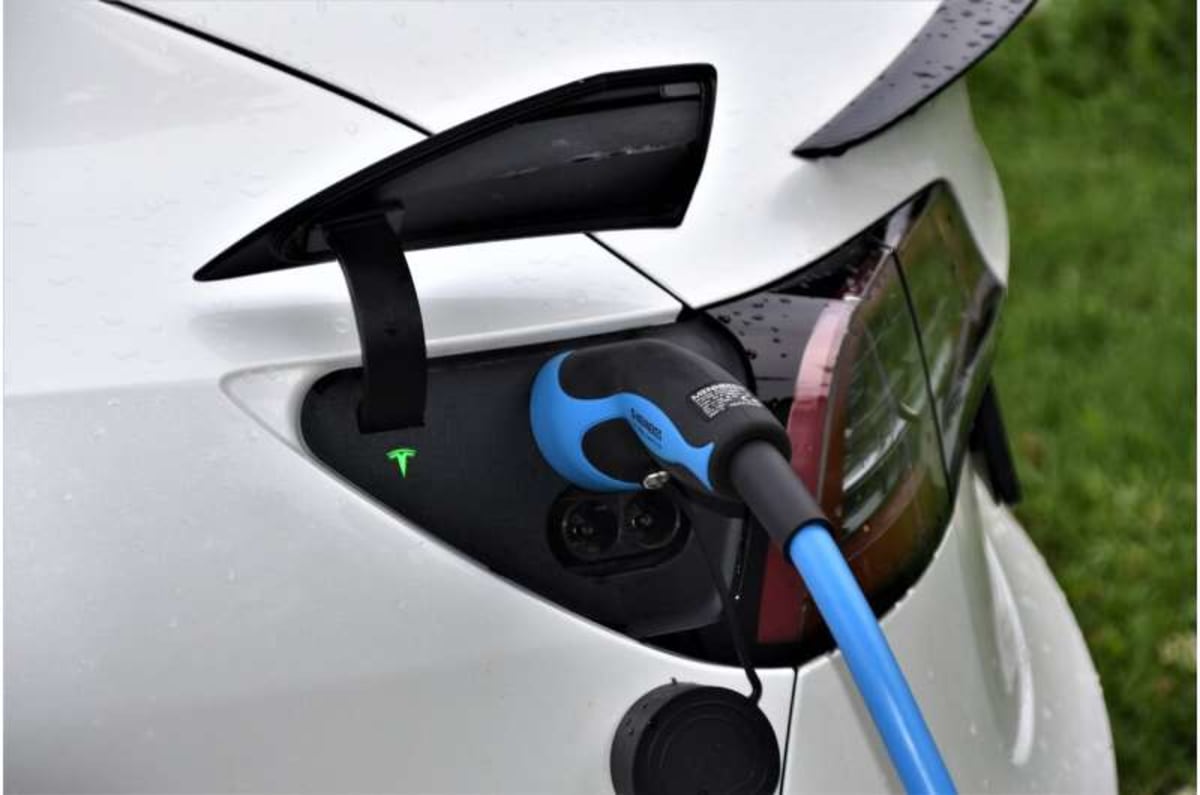
Electric vehicles spend most of their lives parked, essentially serving as giant batteries on wheels. When plugged in, they could send power back to the grid during high-demand periods like late afternoons or overnight when solar panels aren't producing energy.
The benefits stack up quickly. EV owners could earn money while their cars sit idle. Power grids would become more reliable with thousands of backup batteries ready to help. The cost of owning an electric vehicle would drop as those payments offset the purchase price.
With 4 million electric vehicles already on U.S. roads, this should be happening everywhere. Instead, most vehicle-to-grid programs remain small pilot projects focused on school buses and fleet vehicles, not the cars in your garage.
North Carolina State University researcher Serena Kim wanted to know why. Her team interviewed 42 stakeholders including utilities, EV manufacturers, local governments, and actual EV owners who tested the technology.
The answer surprised them. This isn't a technology problem at all.
"It's really a chicken-and-egg issue," Kim explains. Utilities won't invest in infrastructure until more cars can participate. Car owners won't buy vehicle-to-grid capable cars without compensation programs in place. And potential buyers can't count on those future earnings when planning their purchase.
Everyone's waiting for someone else to move first.
The situation gets messier when you zoom out. Regulations differ wildly from state to state and even between neighboring cities. An automaker or charging company can't build a national strategy when every jurisdiction plays by different rules.
Why This Inspires
The researchers found a clear path forward. Utilities are best positioned to coordinate these programs and break the stalemate. Creating uniform technical standards across states would let everyone plan and invest with confidence.
Some places are already testing the waters. Pilot programs prove the technology works and owners appreciate the extra income. Each success story builds momentum for wider adoption.
Kim's team published their findings in Utilities Policy to help stakeholders understand what's blocking progress. Sometimes the biggest breakthroughs come not from inventing new technology, but from figuring out how to use what we already have.
The infrastructure for a more reliable, affordable energy future is already sitting in millions of driveways.
More Images

Based on reporting by Google News - Electric Vehicle
This story was written by BrightWire based on verified news reports.
Spread the positivity!
Share this good news with someone who needs it