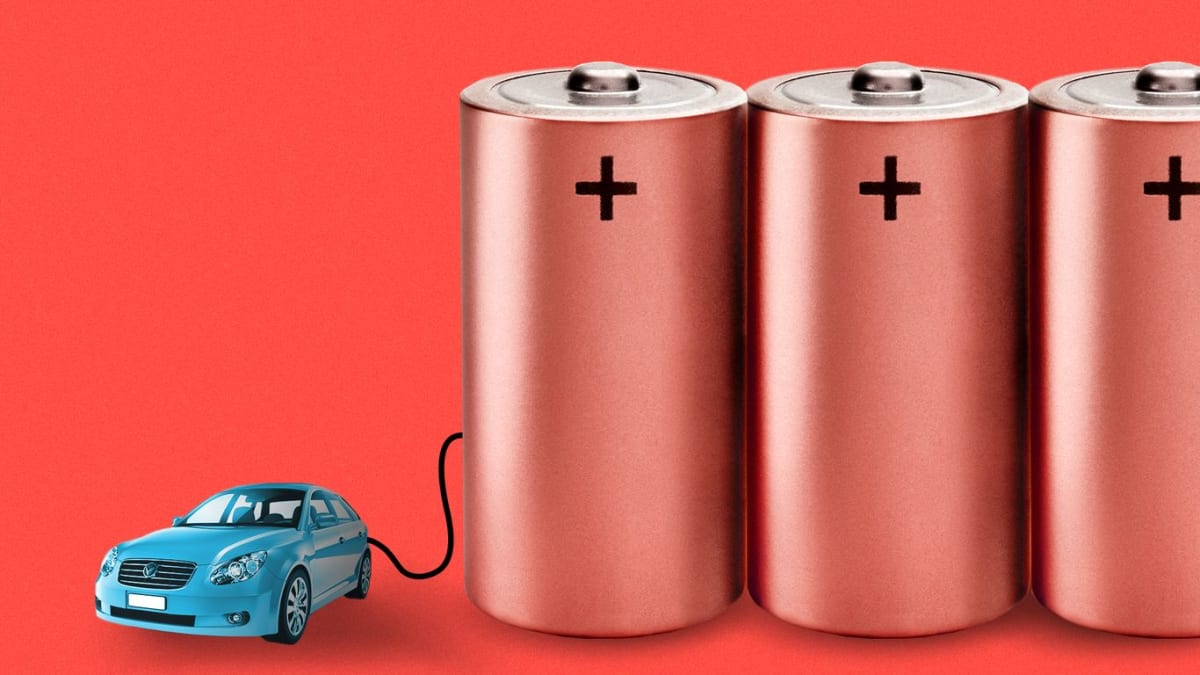
Electric Cars Could Power Your Home and Save the Grid
General Motors just activated a feature that lets electric vehicles feed power back to the grid during peak demand. California's largest utility says EVs are exactly what America's struggling power grid needs.
Your parked electric car could soon become your neighborhood's backup battery.
General Motors rolled out a software update this week that transforms electric vehicles into two-way power sources. The 250,000 GM EVs already on the road can now draw electricity when charging and send it back to the grid when demand spikes.
Patricia Poppe, CEO of California utility giant PG&E, flipped the script on a common fear about electric vehicles. "Our grid desperately needs EVs," she said at a GM event in San Francisco.
The technology addresses a critical problem. America's aging power grid struggles during heat waves, cold snaps, and natural disasters when everyone cranks up their air conditioning or heating at once.
Here's how it works: your EV charges overnight when electricity is cheap and demand is low. During the day while you're at work or home, your parked car can send that stored energy back to the grid during peak hours.
GM already offers a system that lets EVs power homes during blackouts. Thousands of customers use their cars as backup generators. The new update extends that capability to the entire electrical grid.
The Bright Side
This innovation could solve two problems at once. EV owners can earn money by selling electricity back to utilities during high-demand periods. Meanwhile, utilities get thousands of distributed batteries to stabilize the grid without building expensive new power plants.
California, Texas, and Michigan are leading pilot programs. In Michigan, 30 GM employees are testing the system with DTE Energy. PG&E expects 52,000 bidirectional EVs feeding its northern California grid by 2030.
The biggest challenge isn't technology. It's convincing drivers to participate. Many EV owners don't even know their car can power their home, let alone help their community during energy crunches.
GM sent an open letter to America's 3,000 regional utilities urging them to educate customers and create attractive financial incentives. Without utility cooperation and clear benefits, the technology won't reach its potential.
The stakes are high in places like California, where wildfires and soaring electricity demand create constant grid stress. Poppe called vehicle-to-grid technology "the first flexible demand there ever has been."
Rolling out nationwide will take time beyond California's cutting-edge adoption. But the foundation is already in place, turning a quarter million cars into mobile power stations ready to help when the lights threaten to go out.
Based on reporting by Google News - Electric Vehicle
This story was written by BrightWire based on verified news reports.
Spread the positivity!
Share this good news with someone who needs it