Electric Cars Could Slash UK Power Bills by 2030
Rising oil prices are pushing drivers toward electric vehicles, and that shift could solve an unexpected problem: sky-high electricity costs. When millions of EVs connect to the grid, they'll act as giant batteries that store cheap renewable energy and release it when needed.
The soaring cost of oil is finally tipping the scales toward electric vehicles, but the real win might be happening in your electricity bill, not just at the pump.
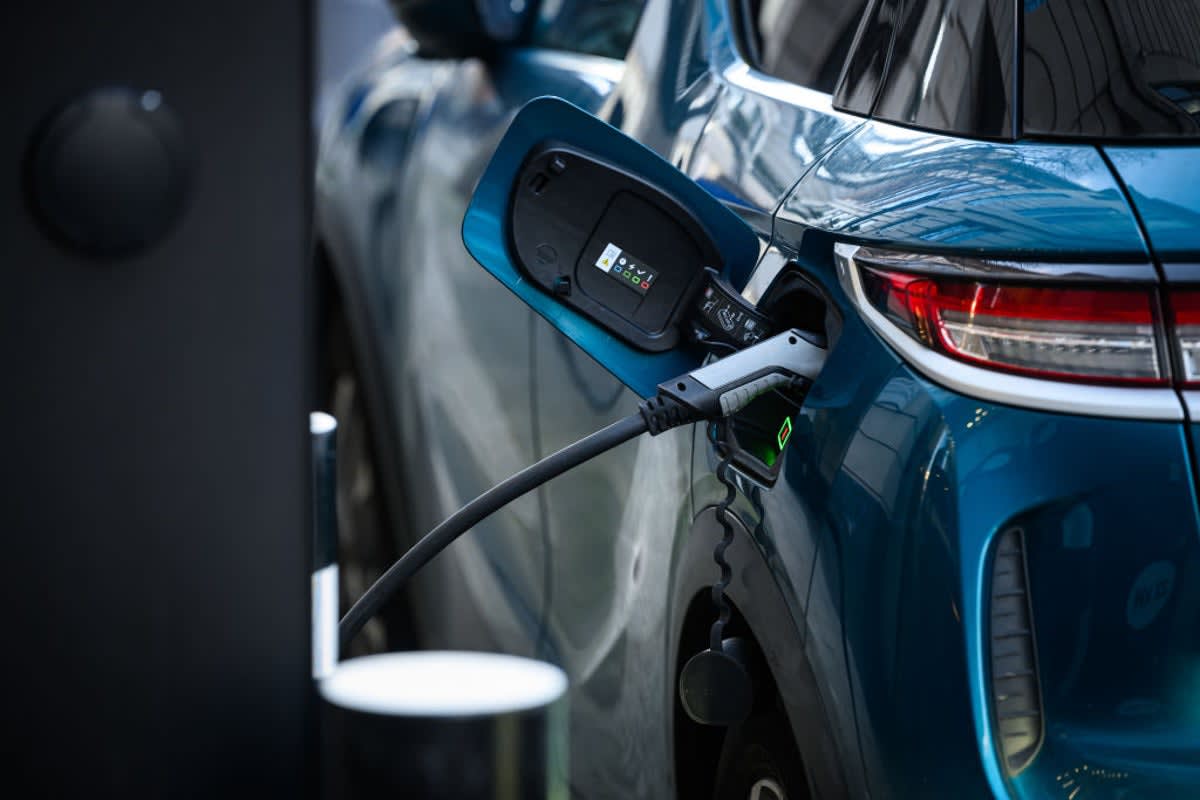
As more drivers switch to EVs, those parked cars will become a massive network of batteries plugged into the power grid. When you're not driving, your car can sell electricity back to the market during peak hours and recharge when rates drop overnight.
The UK energy regulator Ofgem estimates that just half of projected EVs using this vehicle-to-grid system by 2030 could provide around 16 gigawatts of flexible capacity. That's enough to power the entire country during average demand periods.
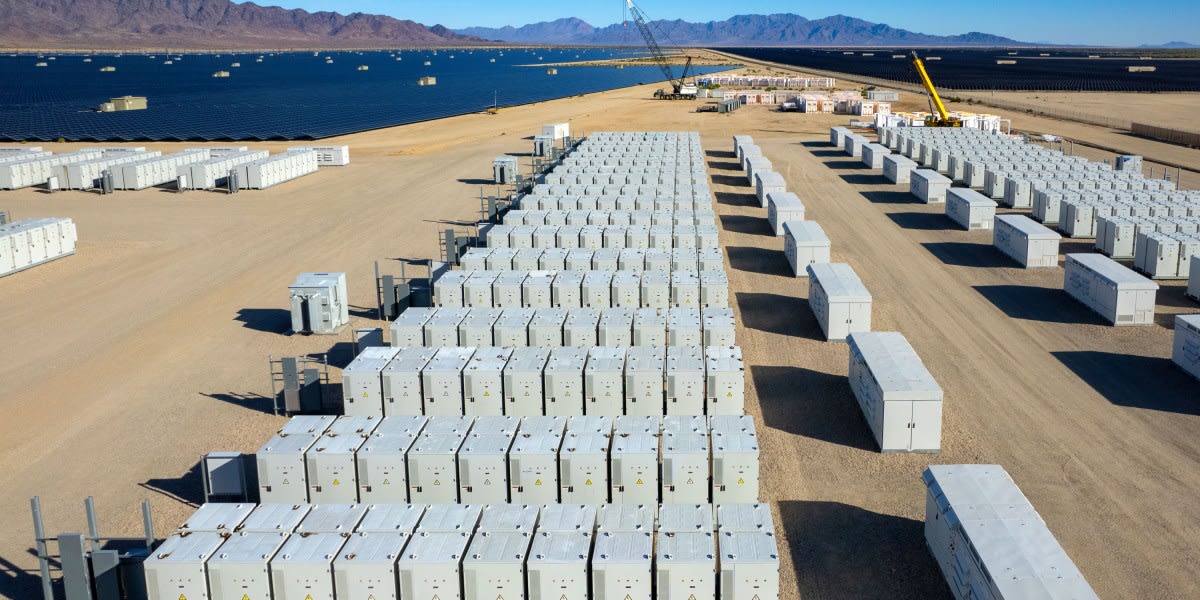
Right now, the UK wastes massive amounts of wind and solar energy because there's nowhere to store it when the wind blows strong or the sun shines bright. Without storage, gas-fired power plants fill the gaps, keeping electricity prices high even as renewable capacity grows.
Connected EV batteries solve this storage puzzle. They soak up excess renewable energy when it's abundant and cheap, then feed it back when demand spikes. Some UK drivers using Octopus Energy's smart charging system already save hundreds of pounds yearly by letting their cars participate in this energy dance.
The Bright Side
The timing couldn't be better for household budgets. The UK cut overall emissions by 54% since 1990, but transport emissions barely budged and electricity bills stayed stubbornly high. Now the same technology that cleans up vehicle pollution could finally bring down power costs.
European researchers project that widespread vehicle-to-grid adoption could fully cover the EU's energy storage needs by 2040. The intermittency problem that makes renewable energy expensive and difficult to manage largely disappears when millions of car batteries act as a distributed storage network.
There's another win hiding in plain sight. As more homes demand electricity for their cars instead of buying gas, those fixed costs of maintaining power lines and substations get spread across more users. Everyone's share shrinks, even people who never buy an EV.
Heat pumps work the same way, using three to five times less energy than gas boilers while running on electricity. More electric demand means less gas consumption overall, even accounting for gas-fired power plants, making households less vulnerable to the next energy crisis.
People won't buy electric cars to fix the electricity market. They'll buy them because charging at home costs a fraction of filling a tank, and because finding a charger becomes easier than finding a petrol station.
The oil shock pushing drivers toward EVs today might be remembered as the quiet turning point when Britain's electricity bills finally started falling.
More Images

Based on reporting by Google News - Electric Vehicle
This story was written by BrightWire based on verified news reports.
Spread the positivity!
Share this good news with someone who needs it