Electric Cars Hit 25% of Global Sales, Up From 1% in 2019
Electric vehicles have exploded from just 1% of global car sales in 2019 to 25% in 2025, with prices plummeting and charging networks expanding worldwide. From Ethiopia banning gas cars to China making EVs cheaper than traditional vehicles, the shift to clean transportation is accelerating faster than anyone predicted.
The electric vehicle revolution just hit warp speed, and the numbers are stunning.
In 2019, electric cars made up barely 1% of new vehicles sold worldwide. By 2025, that figure jumped to 25%, with around 21 million electric cars finding new homes. By May 2026, a remarkable 63% of new cars sold globally were electric.
China is leading this transformation in a big way. The country invested heavily in battery technology and renewable energy, and it's paying off for consumers. Electric cars there now cost less than gas-powered vehicles, a milestone reached in 2024. In April 2026, electric vehicles made up 61% of new car sales in China, up from just 1% in 2015.
Battery costs tell the success story behind these numbers. Thanks to advanced research and mass production, electric car batteries now cost just one quarter of what they did a decade ago, and prices keep dropping.
Europe is racing ahead too. Nearly one in three new cars sold in the EU by April 2026 was electric, up from just 1% in 2018. Norway leads the pack at 99% of new sales, followed by Denmark at 82% and Sweden at 65%. Germany, France, and the UK are all seeing electric vehicle sales double year over year.
The momentum is spreading to unexpected places. Ethiopia became the first country in the world to ban imports of combustion engine vehicles in 2024. The number of electric vehicles on Ethiopian roads has nearly quadrupled to over 100,000, powered by the country's affordable hydroelectric grid that makes driving electric eight times cheaper than running a gas car.
Latin America is catching the electric wave too, with sales tripling in just two years. Uruguay leads the region at 31% of new car sales, followed by Costa Rica at 16% and Colombia at 15%. Even in Asia, countries like Nepal hit 68% electric vehicle adoption, with Singapore at 63% and Vietnam at 41%.
The Ripple Effect
This rapid shift means cleaner air in cities worldwide and less dependence on imported oil for developing nations. Ethiopia's ban on combustion engines is helping the country use its own hydropower instead of spending precious resources on foreign oil.
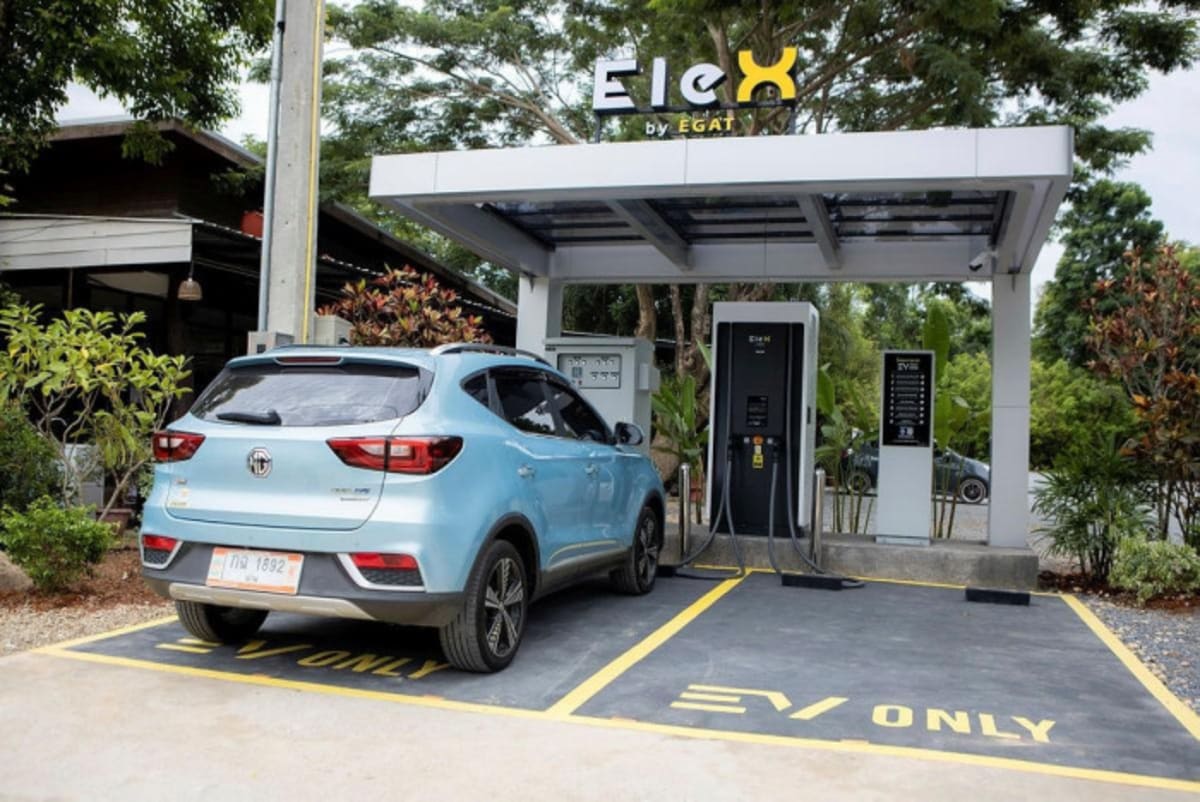
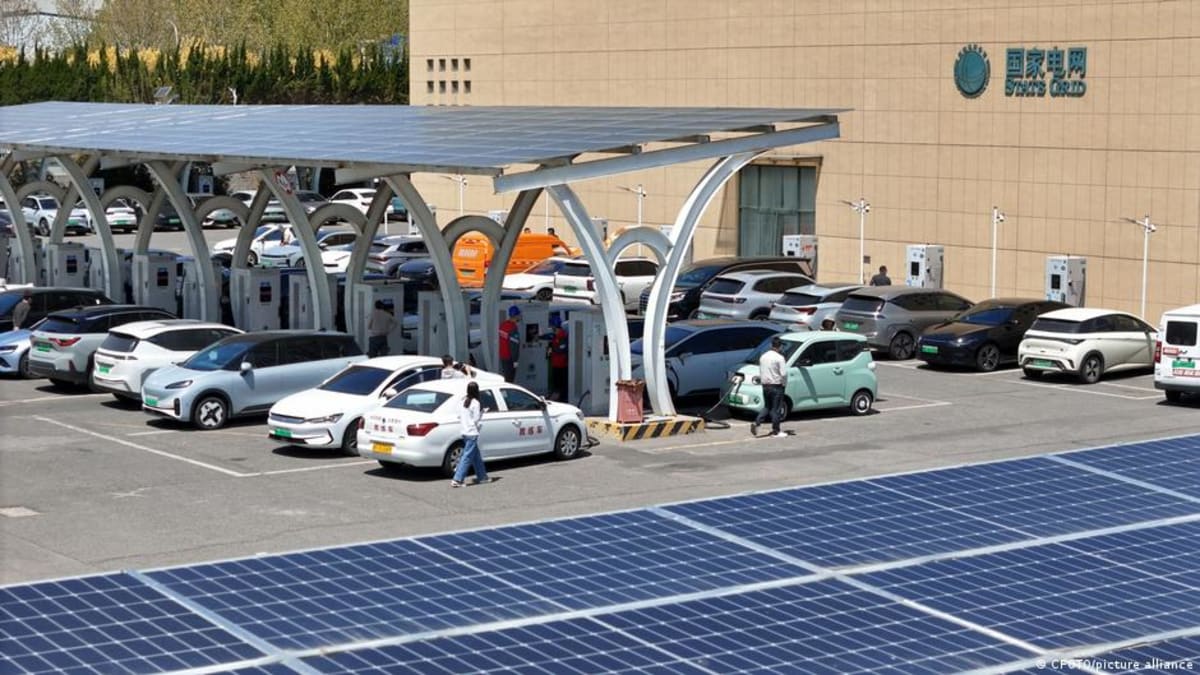
The charging infrastructure is racing to keep up with demand, with fast-charging stations popping up globally. Premium electric vehicles can now travel over 800 kilometers on a single charge, eliminating range anxiety for most drivers.
China manufactures 71% of all electric vehicles worldwide, followed by Europe at 17%. As production scales up and competition increases, prices continue falling, making electric vehicles accessible to more families every year.
The transformation from a niche technology to mainstream transportation happened in less than a decade, proving that rapid change is possible when innovation meets opportunity.
Based on reporting by Google News - Electric Vehicle
This story was written by BrightWire based on verified news reports.
Spread the positivity!
Share this good news with someone who needs it