Electric Cars Now Pay Drivers to Power the Grid
Electric vehicles are earning money for their owners by sending power back to the grid when demand spikes. This vehicle-to-grid technology turns parked cars into mobile power banks that help stabilize electricity systems.
Your electric car might be sitting in the driveway right now, quietly making you money while you sleep.
A growing number of electric vehicles can do something most drivers never imagined when they bought them. They don't just pull electricity from the power grid to charge up. They can actually send power back into it.
The technology is called vehicle-to-grid, or V2G. When electricity demand spikes across a region, utility companies can tap into participating EVs' batteries to draw power back out. In exchange, they pay the car owners for helping balance the grid.
Think of it like a massive network of mobile batteries scattered across neighborhoods and parking lots. Each one charges during off-peak hours when electricity is cheap and abundant. Then when everyone cranks up their air conditioning on a hot afternoon and the grid gets stressed, these cars become mini power plants.
The system works because most cars sit parked about 95% of the time anyway. Instead of just taking up space in a garage or office parking lot, they're now doing double duty as energy storage devices.
The Ripple Effect
This technology solves two big problems at once. Car owners get a new revenue stream that helps offset the cost of going electric. Meanwhile, utility companies get flexible power storage without building expensive new infrastructure.
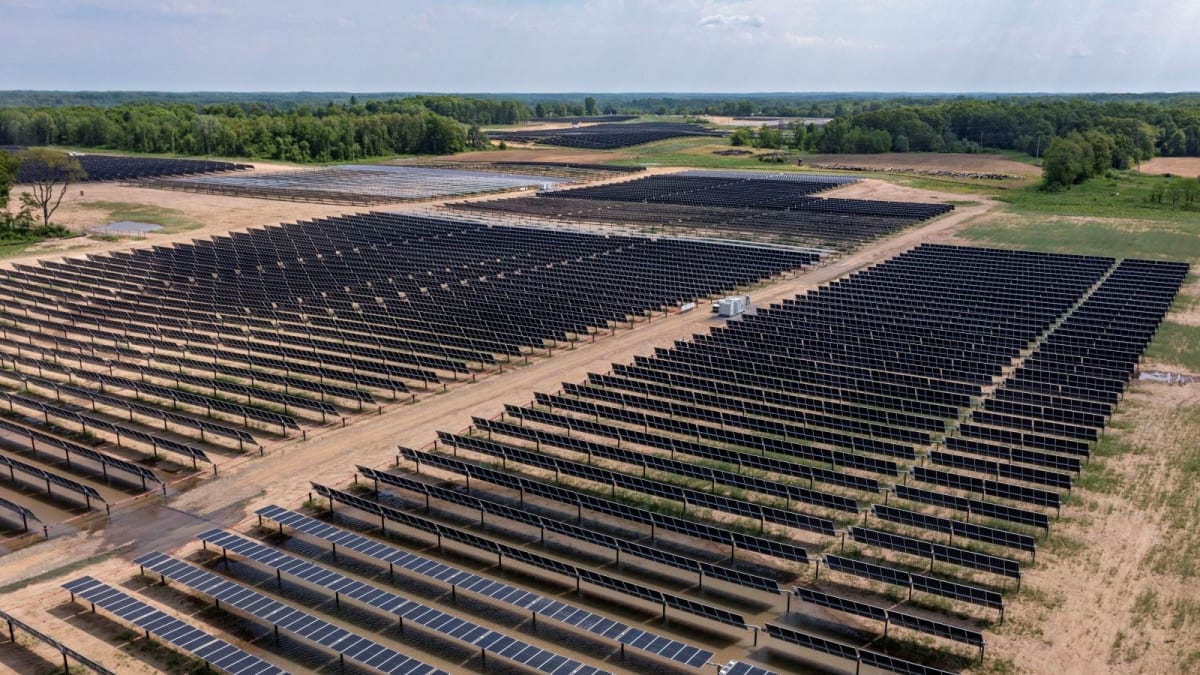
The timing couldn't be better. As more renewable energy comes online from solar and wind farms, utilities need ways to store power when the sun shines and wind blows, then release it when conditions change. Electric vehicles already parked in driveways offer ready-made storage that's already been paid for.
Several automakers now offer V2G capability in their newest models. Early adopters report earning anywhere from a few hundred to over a thousand dollars per year, depending on how often they participate and local electricity rates.
The technology also makes the entire power grid more resilient. During emergencies or outages, these distributed batteries can help keep critical services running. Some homeowners are even using their EVs to power their houses during blackouts.
As more drivers discover their cars can earn money while parked, the network effect grows stronger and the grid becomes more stable for everyone.
More Images



Based on reporting by Google News - Electric Vehicle
This story was written by BrightWire based on verified news reports.
Spread the positivity!
Share this good news with someone who needs it