Electric Grid Goes Smart as Clean Energy Push Accelerates
The shift to electric-powered everything is transforming America's energy grid into a smarter, cleaner system that could help cut carbon emissions while saving money. Industry leaders say this change isn't just good for the planet—it's becoming essential arithmetic.
📺 Watch the full story above
America's power grid is getting a major upgrade, and the change could reshape how millions of people heat their homes, drive their cars, and use energy every day.
The shift toward electrification is picking up speed across the country. The U.S. Department of Energy now calls it an "economy-wide decarbonization strategy" that makes energy systems more efficient than traditional fossil fuels.
The concept is surprisingly simple. When electricity comes from clean sources like wind and solar, switching to electric vehicles, heat pumps, and other electric technologies cuts overall emissions even when some fossil fuels remain in the mix.
Deep Patel, CEO of Gigawatt, says electrification is "the fastest and cheapest way to modernize and expand the grid." His company works with utilities to transform aging power systems into interactive networks that respond quickly to changing demand.
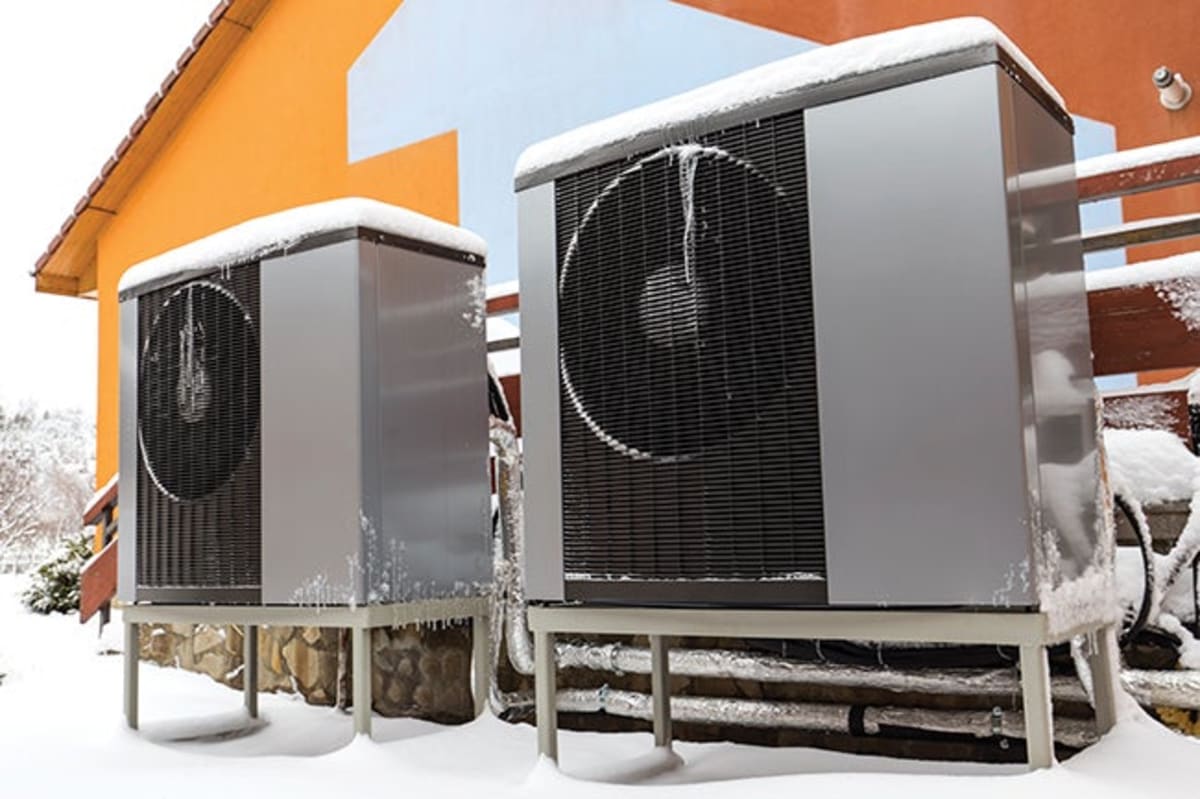
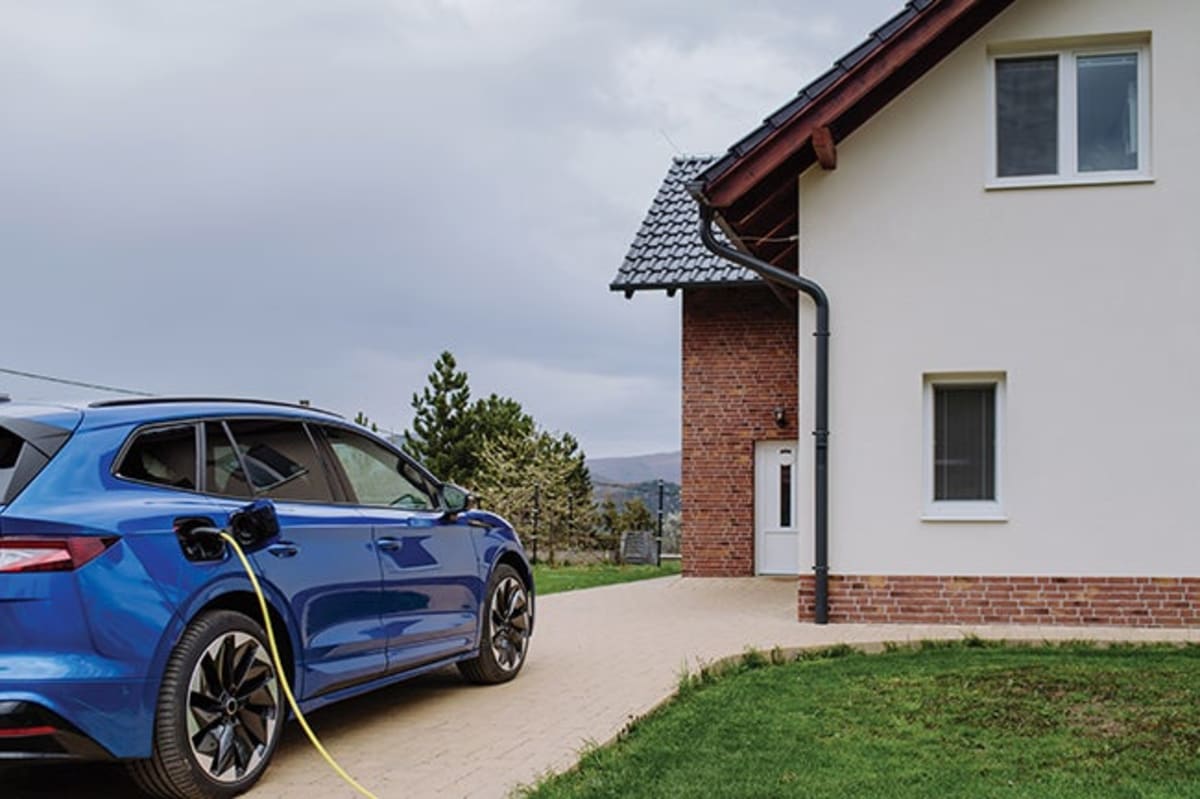
The changes are already visible in everyday life. Heat pumps are replacing gas furnaces in homes. Electric vehicles are filling driveways. Industrial facilities are swapping coal-fired equipment for electric alternatives. Even kitchen stoves and water heaters are making the switch.
Bala Vinayagam, president of power equipment monitoring company Qualitrol, emphasizes this isn't about ripping out existing systems overnight. "It is a powerful means to reduce emissions, but its implementation must be balanced against the physical realities of the grid," he says.
The real game changer is how electric systems are getting smarter. Modern batteries can balance power loads and respond to frequency changes faster than traditional power plants. When managed through cloud software, these distributed energy resources help utilities handle peak demand without building expensive new infrastructure.
The Ripple Effect
This transformation extends beyond cutting emissions. Utilities gain tools to manage peak demand and defer costly grid upgrades. Homeowners get better control over their energy bills and improved resilience during outages.
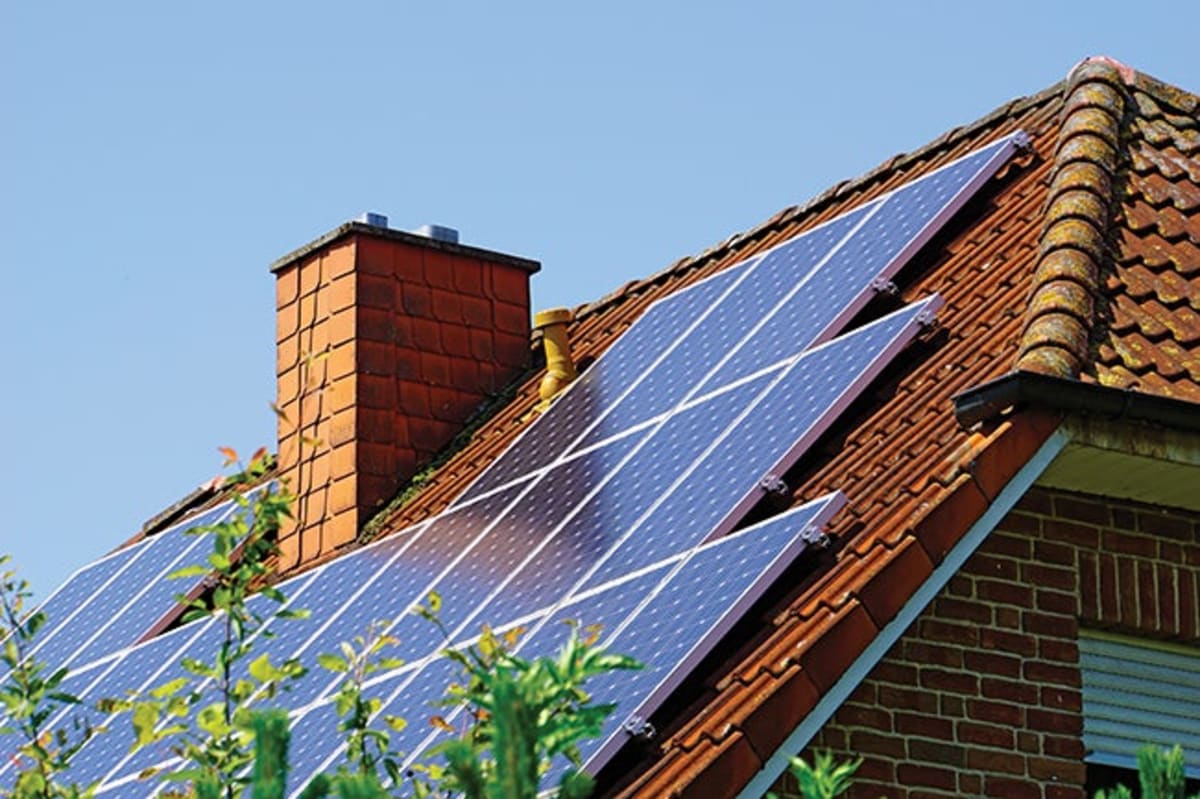
The technology creates flexible capacity right where people use it. Customer-owned batteries and solar panels become part of a larger network that supports the entire grid when owners choose to participate.
Patel notes that electric vehicle adoption, rising data center demand, and heat pump installations are all accelerating simultaneously. Meeting this growth through traditional means would take too long. Distributed solar and storage offer utilities a faster path forward.
The approach works best when it makes economic sense for everyone involved. Programs that provide real value to customers while supporting grid stability see higher participation rates and longer-term success.
As electrification spreads, it's creating a more resilient, efficient energy system that benefits utilities, customers, and the environment alike.
More Images

Based on reporting by Google News - Clean Energy
This story was written by BrightWire based on verified news reports.
Spread the positivity!
Share this good news with someone who needs it