Electric Ship Slashes Offshore Wind Costs by 70%
A 200-year-old maritime company just built an electric vessel that could slash offshore wind farm costs by $1.8 million per year. The breakthrough comes as the industry desperately needs cheaper ways to build clean energy.
📺 Watch the full story above
Liverpool's Bibby Marine is proving that old dogs can learn revolutionary new tricks with a vessel that could transform how we build offshore wind farms.
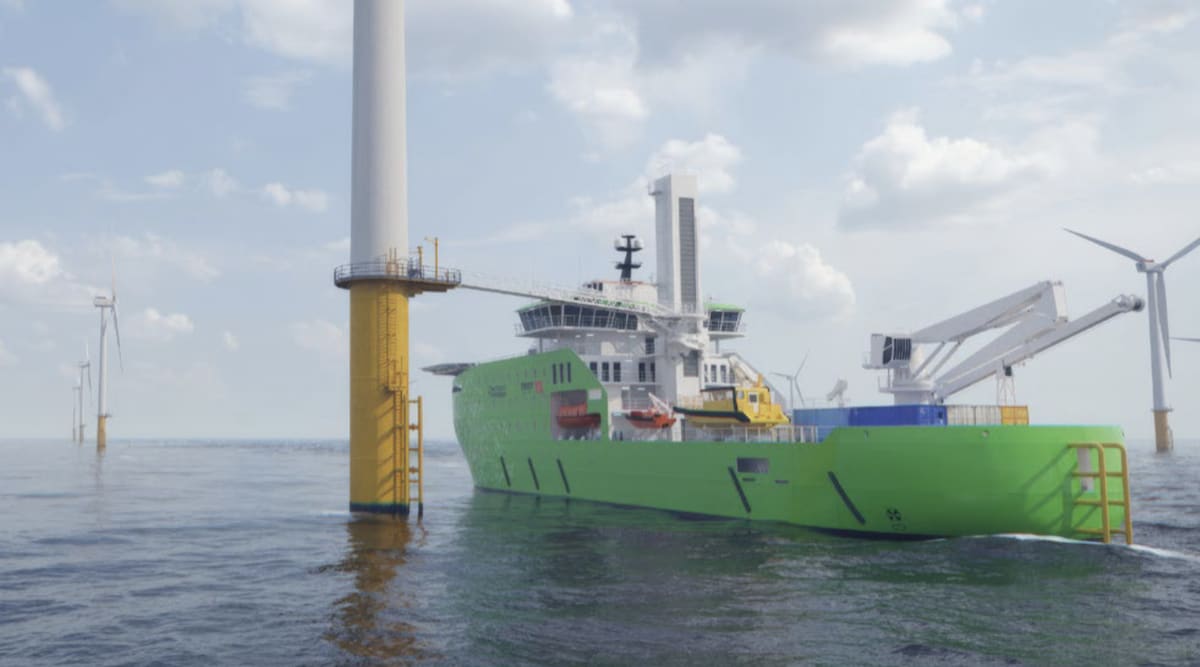
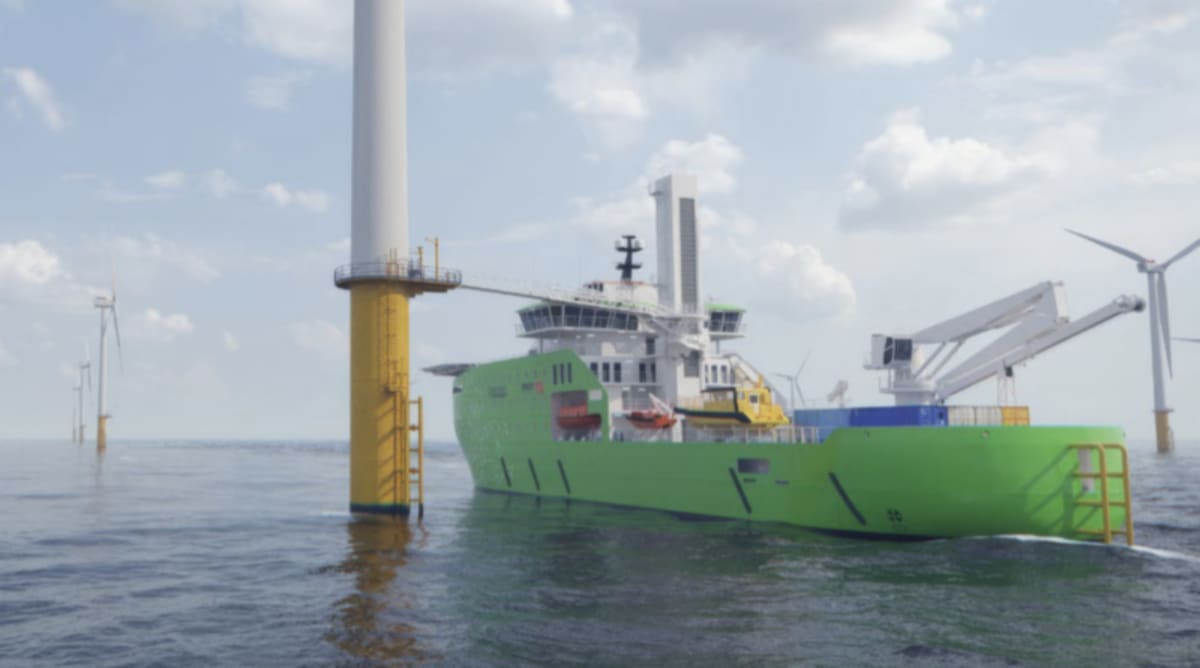
The centuries-old shipping company just designed a hybrid electric boat that cuts operational costs by up to 70% compared to traditional diesel-powered vessels. Instead of burning marine fuel, the ship charges its batteries and runs on pure electricity when offshore charging stations are available.
The timing couldn't be better. Offshore wind farms generate clean energy, but the boats that build them have been running on dirty marine fuel that's similar to building heating oil. As global energy markets face disruption and fuel prices spike, the cost of construction keeps climbing.
Bibby's solution tackles the problem head-on. Their new Commissioning Service Operational Vessel uses dual fuel generators to charge onboard batteries that power the ship's main propulsion system. Even without offshore charging, this hybrid setup reduces costs by 40% and saves about $1 million annually per vessel.
The real magic happens when offshore charging stations come into play. The boats travel relatively short distances, making it practical to plug them in at the wind farm site itself. In full electric mode, fuel consumption drops to zero along with carbon emissions.
The Ripple Effect
The innovation extends beyond just one company's bottom line. Faster, cheaper vessel operations mean lower costs for installing wind turbines, which translates to more affordable clean energy for everyone.
The technology is already mature enough to compete with traditional vessels on upfront costs. Shore power infrastructure is expanding, and offshore charging systems can be integrated into new wind farm projects launching in the coming years.
Europe's new FuelEU Maritime framework will soon require these vessels to account for their carbon emissions, giving operators even more reason to switch to electric. Bibby isn't waiting for regulations to catch up. They've already started building their first electric vessel in partnership with charging infrastructure company Stilstrom.
The teams are working through real-world challenges like maintaining stable positioning while charging in varying weather conditions and training crews on the new systems. If everything stays on track, the vessel will be operational by mid-2027.
The shift to electric vessels solves multiple problems at once: lower operating costs, zero emissions, and protection from volatile fuel markets. For wind farm developers investing in offshore charging infrastructure, the economics are becoming impossible to ignore.
One company's electric boat is quietly proving that the future of offshore wind doesn't have to cost the earth.
More Images
Based on reporting by Google News - Wind Energy
This story was written by BrightWire based on verified news reports.
Spread the positivity!
Share this good news with someone who needs it