Electric Ships Can Now Recharge Wirelessly at Sea
Norwegian researchers just solved one of the biggest challenges facing electric ships: how to recharge without returning to shore. The breakthrough uses wireless charging technology that works right in the middle of the ocean.
Electric boats can now charge in the middle of the ocean, thanks to a wireless charging system that works like your phone charger but powerful enough to fuel an entire ship.
Engineers at SINTEF, a Norwegian research organization, developed a "plug and play" charging system that lets electric vessels recharge at sea through magnetic fields. No plugs, no cords, no contact required.
The innovation solves a problem that's been holding back ocean-going electric ships for years. Traditional charging stations sit on shore, forcing vessels to make long trips back to port just to refuel. That defeats the purpose of having electric ships in the first place.
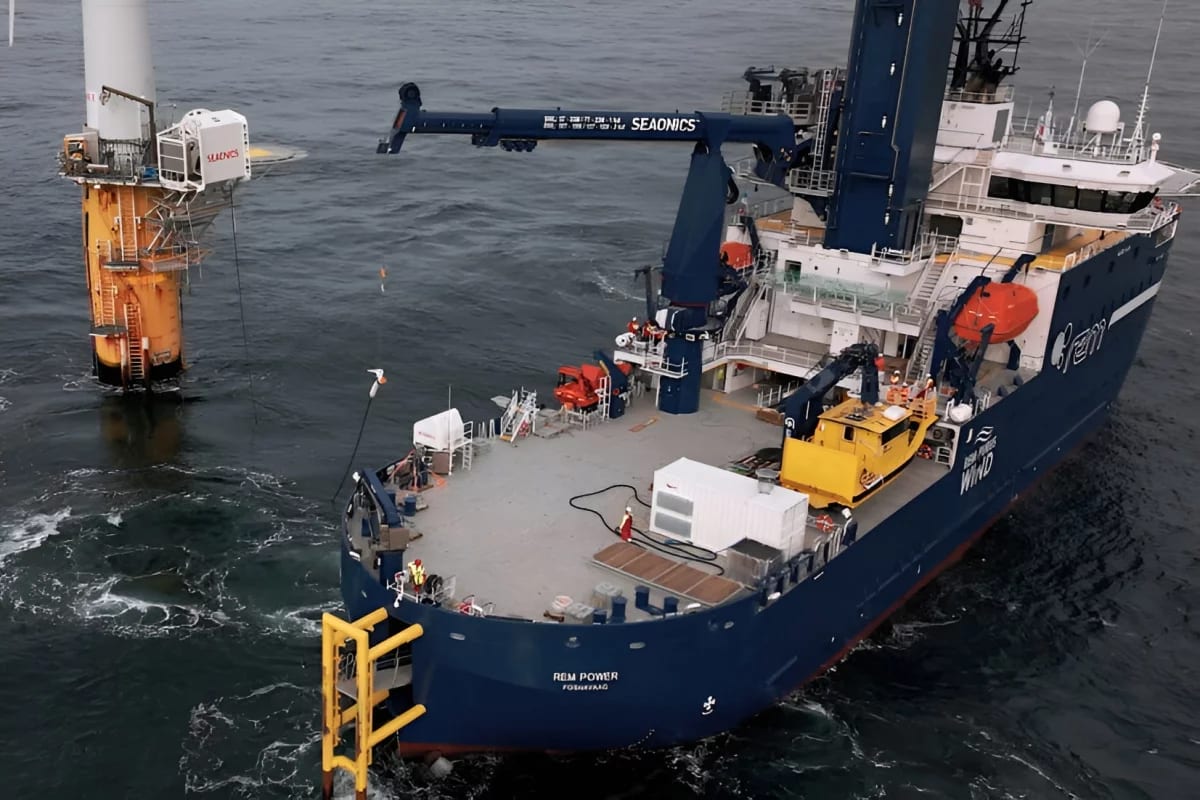
The team's solution sounds simple: build charging stations out at sea near offshore wind farms. Ships pull up, recharge, and continue their work without wasting hours traveling to land.
But ocean charging created new headaches. Conventional plugs need stable, dry environments to work safely. Waves constantly shift both the vessel and charging platform, potentially damaging connectors or interrupting power. Saltwater corrodes exposed metal contacts, reducing efficiency and creating fire risks. Moisture sneaking into connectors can cause dangerous short circuits.
The wireless system sidesteps all these issues. A transmitting coil in the charging platform creates a magnetic field using alternating current. When a receiving coil on the ship enters this field, it generates electricity through electromagnetic induction without any physical contact.
Both coils get sealed in waterproof materials that resist salt and algae. "We can avoid all the problems because we transfer the power inductively by encapsulating the plug itself in materials that can withstand just about anything," says Giuseppe Guidi, a senior research scientist at SINTEF.
The technology addresses every major challenge. No exposed contacts means corrosion becomes far less threatening. Small movements between ship and platform don't matter since power transfers even without perfect alignment. The sealed design keeps seawater out of critical components.
The Ripple Effect
This breakthrough arrives at a perfect moment for maritime shipping. The industry spent thousands of years evolving from sails to steam engines, then about a century transitioning from steam to diesel. Now, after another century of diesel dominance, ships are finally going electric.
Offshore charging stations powered by wind turbines create truly autonomous clean energy systems. Electric service boats, cargo vessels, and passenger ferries can operate emission-free for extended periods without shore visits.
The Ocean Charger project, launched in 2023 by shipbuilding company VARD and green-energy maritime partners, proved the full-scale concept works. Their goal was ensuring emission-free vessel operations could continue indefinitely at sea.
The wireless chargers will deliver 5 megawatts at full scale, enough to rapidly recharge large commercial vessels. Early testing with electric service boats powered by wind turbines confirmed the system handles real ocean conditions.
Clean shipping just became far more practical, turning what seemed impossible into everyday reality.
More Images



Based on reporting by New Atlas
This story was written by BrightWire based on verified news reports.
Spread the positivity!
Share this good news with someone who needs it