Electric Vehicles Are Now Earning Money While Parked
School buses and EVs are becoming mini power plants that can send electricity back to the grid and earn revenue for their owners. A new platform called Cascade is making it possible across North America.
📺 Watch the full story above
Electric vehicles sitting in parking lots and school bus depots are about to become money-making machines for their owners while helping keep the electricity grid stable.
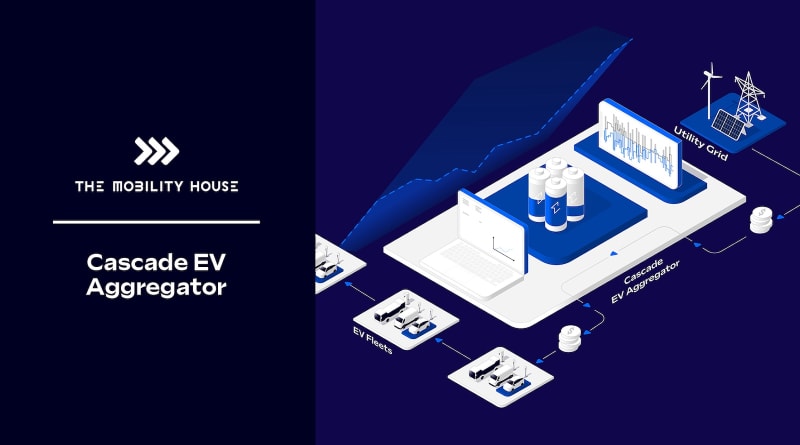
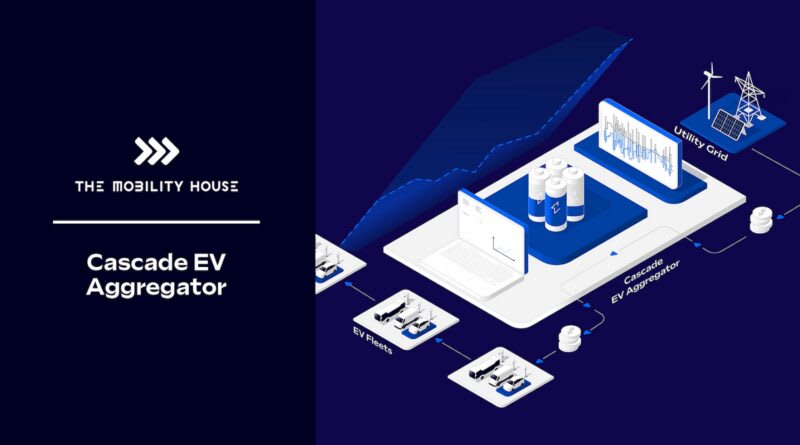
The Mobility House North America just launched Cascade EV Aggregator, a platform that turns plugged-in electric vehicles into flexible energy storage units. When electricity demand is low and prices are cheap, EVs charge up their batteries. When demand spikes and prices rise, those same vehicles can send power back to the grid and earn revenue.
The system works with everything from home chargers to entire fleets of electric school buses. It creates customized charging plans for each vehicle based on when it needs to be ready to drive and when the grid needs help.
School districts are already seeing the benefits. Fremont Unified School District in California is using its electric buses to generate income when students aren't riding them. "The electric school buses in our fleet work hard every day to get students to school safely," says Transportation Director Ernest Epley. "And now they can earn revenue for the district supporting the energy grid while they are parked at the depot."
The timing couldn't be better. As more drivers switch to electric vehicles, utilities face growing challenges managing increased electricity demand. Smart charging systems like Cascade help solve that problem by spreading out when vehicles charge and even providing backup power during peak hours.
The technology manages thousands of charging sites at once, working with existing charge management systems that fleet operators already use. It responds to real-time signals from utilities and adjusts charging schedules automatically.
The Ripple Effect
This innovation creates wins across the board. EV owners and fleet operators earn money from their parked vehicles. Utilities get flexible energy storage without building expensive new power plants. And the electricity grid becomes more stable and efficient for everyone.
Electric school buses in California, Massachusetts, and New York are already participating in vehicle-to-grid programs through Cascade. The platform handles both one-way smart charging and two-way power flow, giving utilities maximum flexibility to manage grid constraints.
The Mobility House has been perfecting this technology for nearly a decade since founder Thomas Raffeiner first presented vehicle-to-grid concepts at conferences. That experience is now paying off as utilities and commercial clients trust the company to implement these complex systems.
Your parked EV might soon help power your neighbor's home during a heat wave while putting money back in your pocket.
More Images


Based on reporting by CleanTechnica
This story was written by BrightWire based on verified news reports.
Spread the positivity!
Share this good news with someone who needs it