Elephants Adapt Despite Habitat Loss Across Africa, Asia
New research reveals elephants are changing their diets and behaviors to survive in shrinking habitats. Scientists say the adaptability offers hope but also highlights urgent conservation needs.
Elephants are proving they can survive in a changing world, but their resilience comes with a catch.
Recent studies across Africa and Asia show these intelligent giants adjusting their lives in remarkable ways. Asian elephants in logged Malaysian forests now eat a wider variety of plants when their favorite foods disappear. The flexibility means they can still meet their nutritional needs even when humans reshape their homes.
But adaptability has a price. In areas dominated by oil palm plantations, elephants have turned to eating the crops themselves. This puts them on a collision course with farmers and increases the risk of deadly conflict between humans and wildlife.
Mohammad Saiful Mansor from the National University of Malaysia says the findings send a mixed message. "Elephants are highly adaptable feeders, but this flexibility often brings them into human-dominated landscapes, increasing the risk of conflict," he explains.
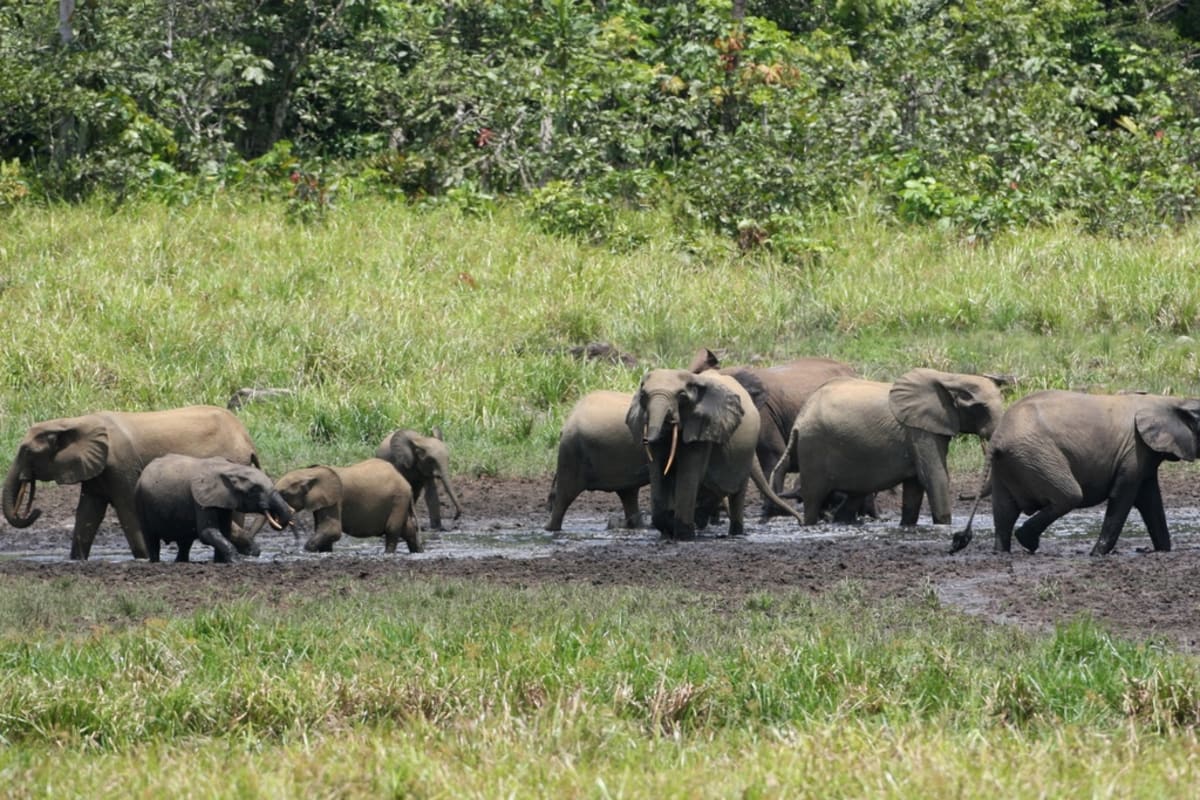
Meanwhile, a special clearing in Central African Republic offers a window into forest elephant behavior. Dzanga Bai, nicknamed the "village of elephants," draws dozens and sometimes hundreds of critically endangered forest elephants from the dense rainforest. The mineral-rich clearing lets tourists and researchers observe these normally elusive animals in the open, showing how vital such natural gathering spots remain.
The Bright Side
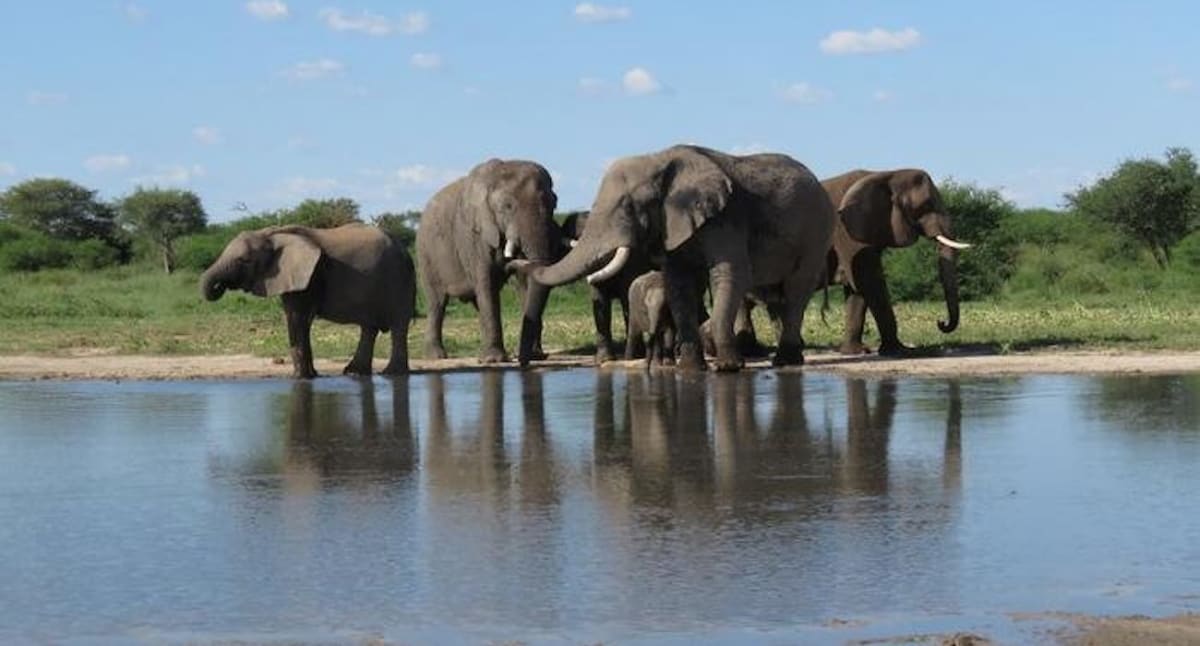
Scientists are using this knowledge to protect elephants more effectively. A groundbreaking study sequenced 232 elephant genomes across 17 African countries, creating a genetic map that reveals which populations need help most urgently.
The research found that connected elephant populations in Southern Africa remain genetically healthy because animals can still move between areas and breed. But isolated groups in places like Eritrea and Ethiopia show dangerous levels of inbreeding due to past hunting and habitat fragmentation.
These genetic insights give conservationists a roadmap. By identifying which populations need habitat corridors or protection from further isolation, scientists can target their efforts where they'll make the biggest difference.
The studies arrive just in time for World Elephant Day, reminding us that protecting elephants means protecting vast, connected wild spaces. When elephants have room to roam and find their natural foods, everyone benefits.
The research proves what conservationists have long suspected: elephants can adapt, but they shouldn't have to do it alone.
More Images


Based on reporting by Mongabay
This story was written by BrightWire based on verified news reports.
Spread the positivity!
Share this good news with someone who needs it