Elizabeth Smart Finds Confidence in Bodybuilding
Elizabeth Smart, kidnapped at 14 in 2002, now competes in bodybuilding to celebrate her body after years of trauma. Four competitions in, she's found unexpected confidence and self-acceptance.
Elizabeth Smart stood terrified on stage at her first bodybuilding competition, hands shaking under bright lights. When her ring snagged her hair extension mid-pose, she wanted to flee but kept smiling instead.
Twenty years after her 2002 kidnapping captivated the world, Smart has found an unexpected path to healing. At 38, she's competing in bodybuilding not for trophies, but to reclaim confidence in the body she once tried to survive inside.
Smart was just 14 when she was abducted at knifepoint from her Salt Lake City bedroom. For nine months, she endured repeated sexual assault and psychological manipulation while the world searched for her, unaware she was hidden in woods just miles from home.
After her rescue in 2003, Smart struggled with profound shame about her body. Raised in a conservative Mormon home emphasizing modesty and purity, she felt pressure to become what she calls "the most innocent of victims," always doing and saying the right thing.
Trauma expert Robyn Brickel explains that survivors often disconnect from their bodies during abuse as a survival mechanism. That disconnection doesn't disappear when the trauma ends, leaving many survivors feeling shame and betrayal connected to their bodies.
Smart's journey to bodybuilding started after knee pain ended her marathon running. She needed a new goal with a deadline, and weightlifting offered both structure and a way to reconnect with her physical self.
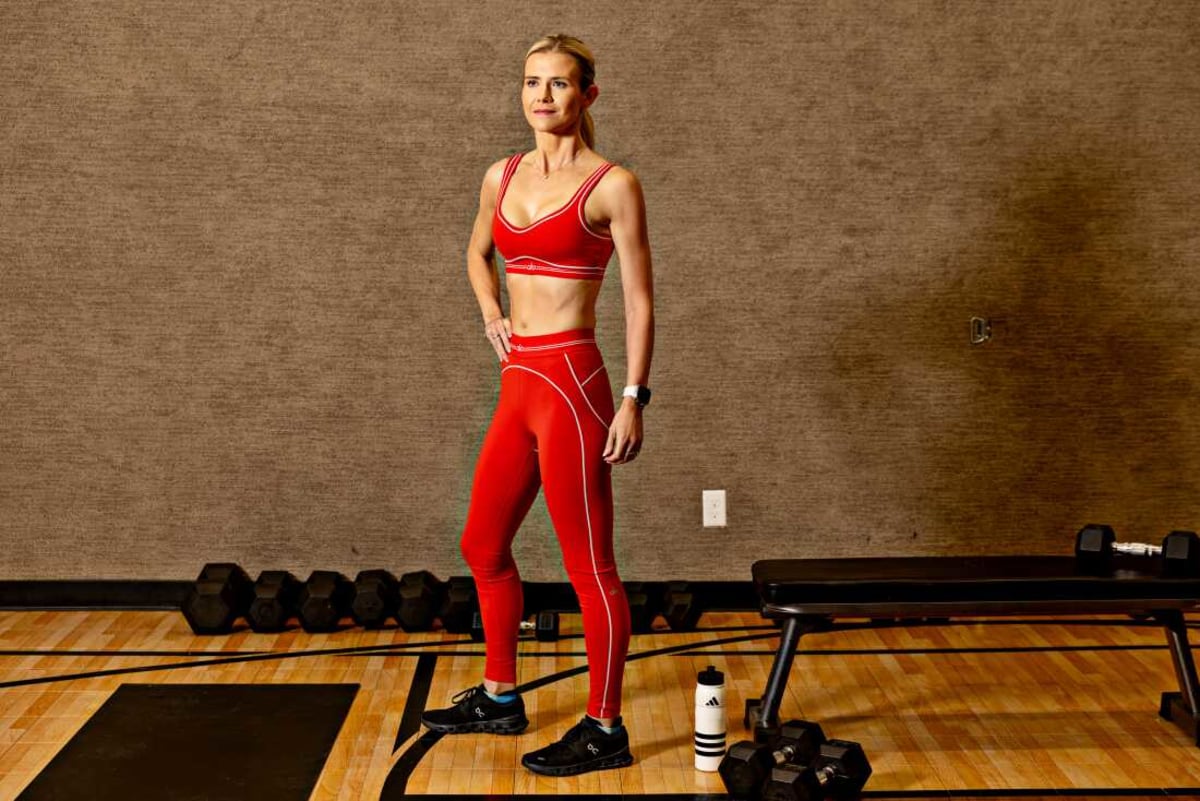
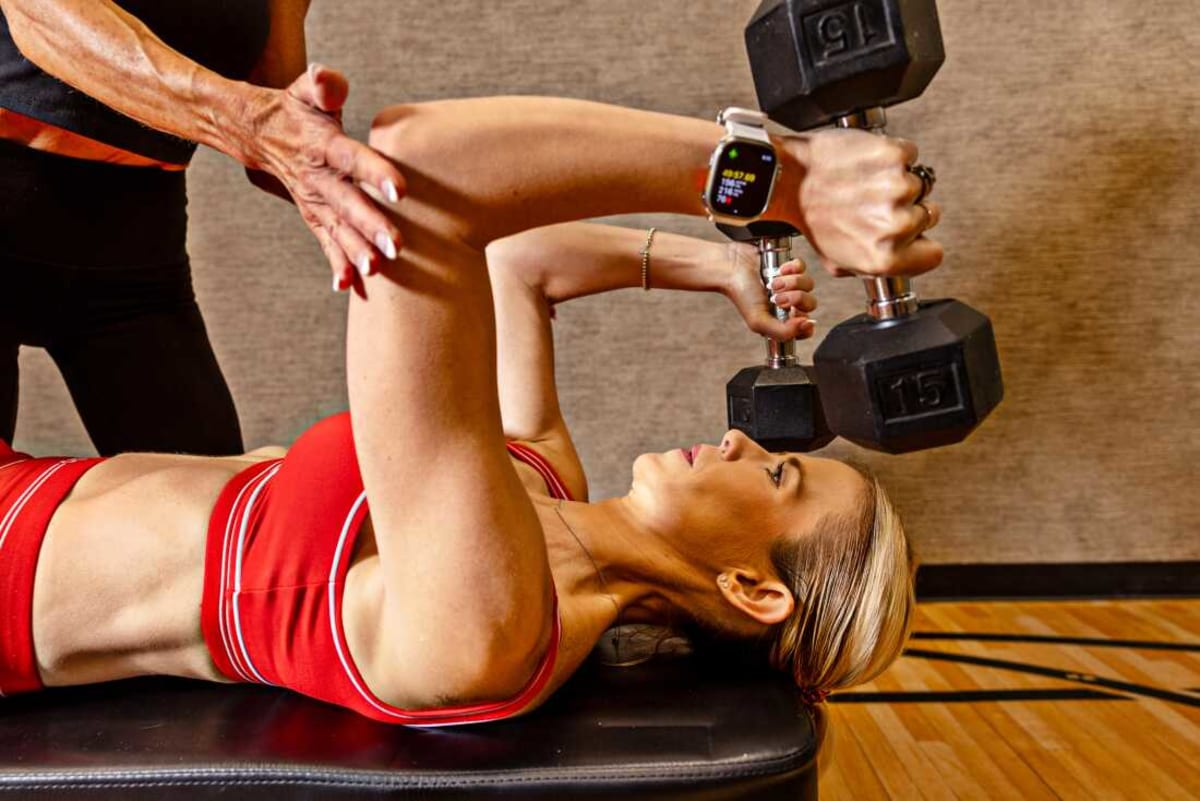
Now she trains five or six days a week in 45-minute sessions with coach Robyn Maher. Through the discipline of bodybuilding, Smart has earned something she never expected: genuine celebration of her body instead of shame.
Why This Inspires
Smart's transformation from invisibility to visibility carries profound meaning. Brickel notes that trauma survivors often try to disappear and make themselves unattractive to avoid attention, but Smart now confidently steps on stage in a bikini.
"I'm at a point in my life where I want to celebrate it," Smart says about her body. "I don't want to carry shame about my body."
Her message resonates beyond her personal story. Smart continues advocating for women and victims of sexual violence while proving that healing looks different for everyone.
In her latest book "Detours," Smart describes trauma as an unplanned path you never wanted. She remembers her body being hurt and crushed during captivity, but says it ultimately carried her through.
Four competitions and several medals later, Smart has redefined what strength means. She's showing other survivors that reclaiming your body can take many forms, and there's no single right way to heal.
Today Smart embraces both identities without conflict: advocate for abuse survivors and competitive bodybuilder who strikes poses on stage.
More Images


Based on reporting by NPR Science
This story was written by BrightWire based on verified news reports.
Spread the positivity!
Share this good news with someone who needs it