Emerald Moth Rediscovered After 148 Years by Photo Sleuths
An emerald-green moth missing since 1875 just turned up alive in South Africa, thanks to everyday people with cameras. Twelve sightings posted online between 2020 and 2023 proved the stunning insect never went extinct.
A strikingly beautiful emerald-green moth thought extinct for nearly 150 years has been found alive in South Africa, proving that sometimes the biggest scientific discoveries come from ordinary people with smartphones.
The moth, called Drepanogynis insciata, was last seen in 1875 near the town of Swellendam in South Africa's Western Cape. Scientists only knew it existed from two badly faded specimens sitting in a London museum, their once-vibrant green wings now pale pink.
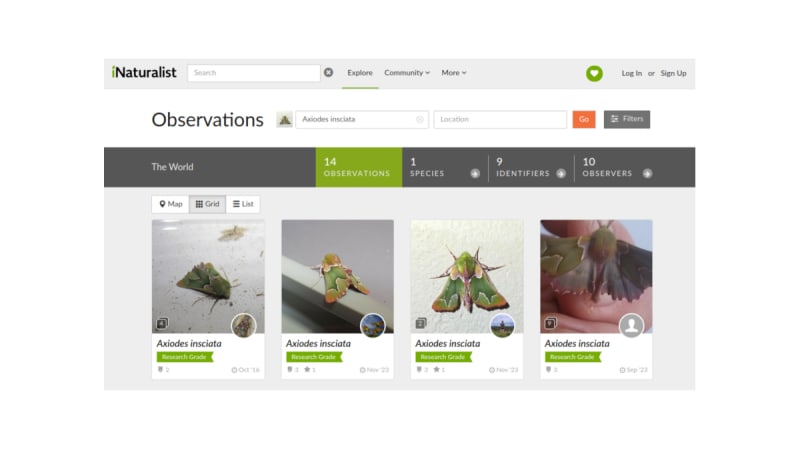
Everything changed in September 2020 when Cameron Scott photographed a brilliant green moth at Gondwana Private Game Reserve and uploaded it to iNaturalist, a website where anyone can share nature photos. South African moth expert Hermann Staude saw the image and immediately recognized the impossible: a species back from the dead.
"I looked, and there it was," Staude said. "That was quite an incredible feeling, to all of a sudden see something that you thought might have been extinct."
Between 2020 and 2023, a dozen more sightings popped up across four locations, all documented by regular people exploring nature. These were the first photographs ever taken of living specimens.
When researchers finally examined a frozen specimen in person, zoologist Pasi Sihvonen from Finland's Natural History Museum could hardly believe his eyes. "It's so green," he marveled, comparing the rediscovery to finding proof that the ivory-billed woodpecker still exists.
Why This Inspires
This rediscovery shows how technology and curiosity are transforming conservation. With so few professional moth scientists in the world, citizen observers armed with cameras create what Sihvonen calls "a treasure trove" of discoveries that experts alone could never achieve.
Websites like iNaturalist provide millions of extra eyes watching nature, turning casual photography into genuine scientific breakthroughs. The platform has already helped rediscover dozens of species once feared lost forever.
The moths likely produce only two broods per year and appear for extremely short windows, making them easy to miss. "It's just a matter of people being in the right place at the right time," Staude explained.
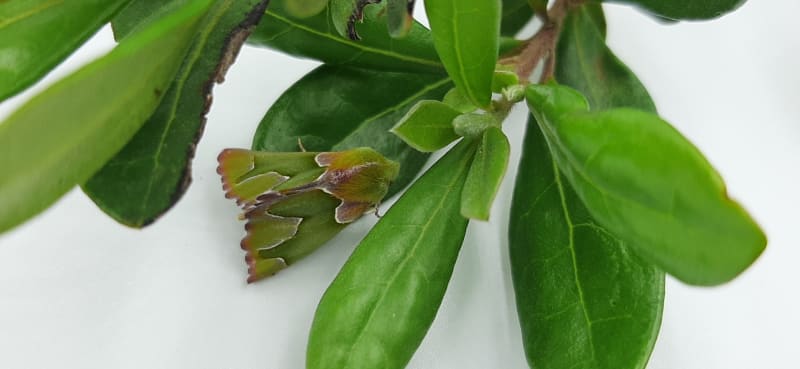
Now comes the detective work. Researchers need to find which plant the caterpillars feed on, a needle-in-haystack search through South Africa's fynbos ecosystem. Once they identify the host plant, they can protect the habitat and ensure this jewel-toned insect doesn't disappear again.
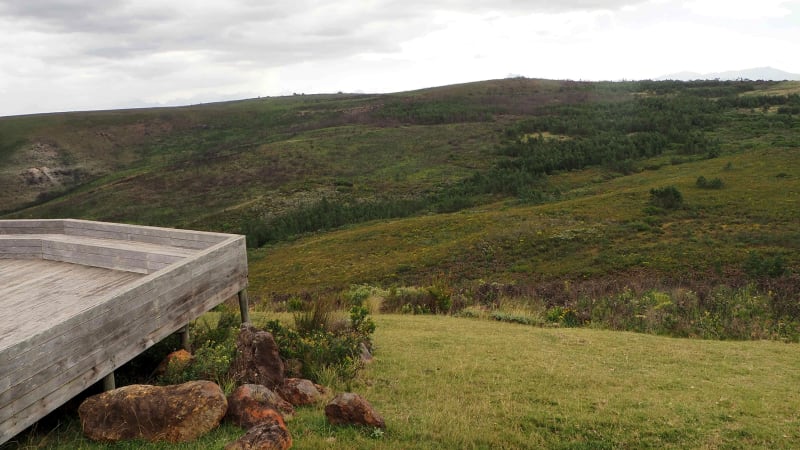
The moth's limited range near Swellendam suggests that good habitat is scarce after centuries of agriculture and development have fragmented the landscape. But knowing the species still exists gives conservationists a fighting chance to save it.
Every smartphone photo uploaded by curious hikers and nature lovers adds another piece to the puzzle of protecting our planet's incredible biodiversity.
More Images


Based on reporting by Mongabay
This story was written by BrightWire based on verified news reports.
Spread the positivity!
Share this good news with someone who needs it