Emily Scarratt: Female Coaches Change Women's Rugby
England rugby legend Emily Scarratt is breaking barriers as the Red Roses' new attack coach, proving that women coaching women makes a powerful difference. With just 32% female coaches at the last World Cup, her promotion alongside former teammate Sarah Hunter signals real progress in the sport.
England's greatest rugby player is now leading from the sidelines, and she says having women coach women changes everything.
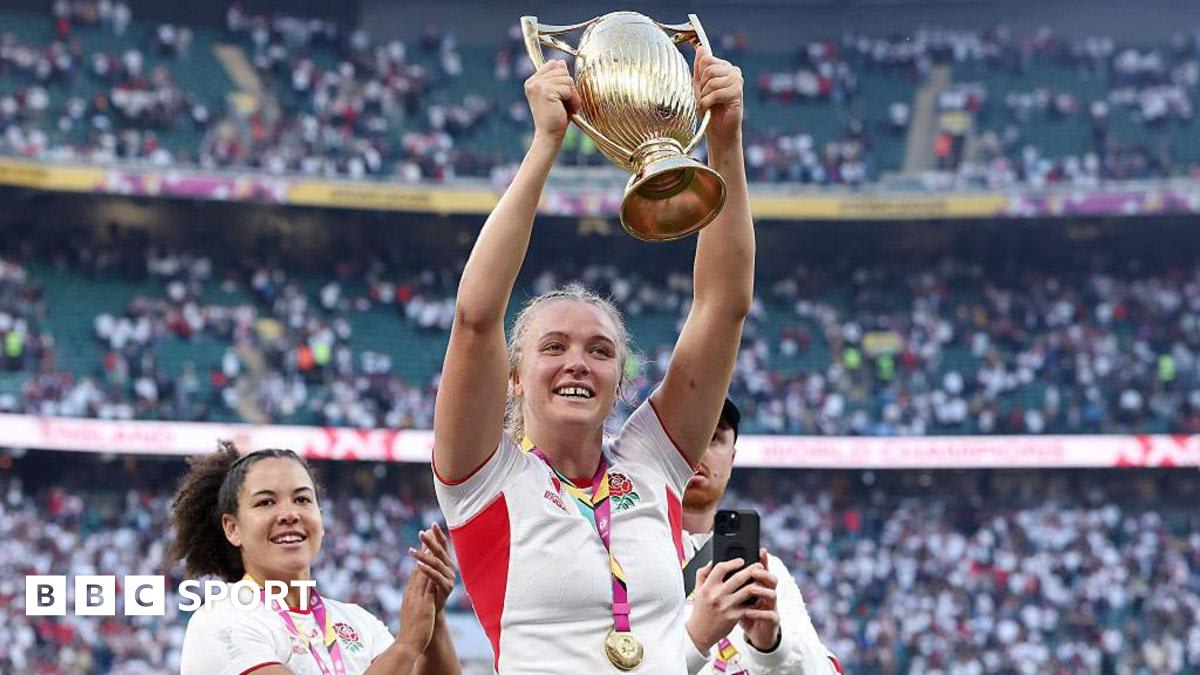
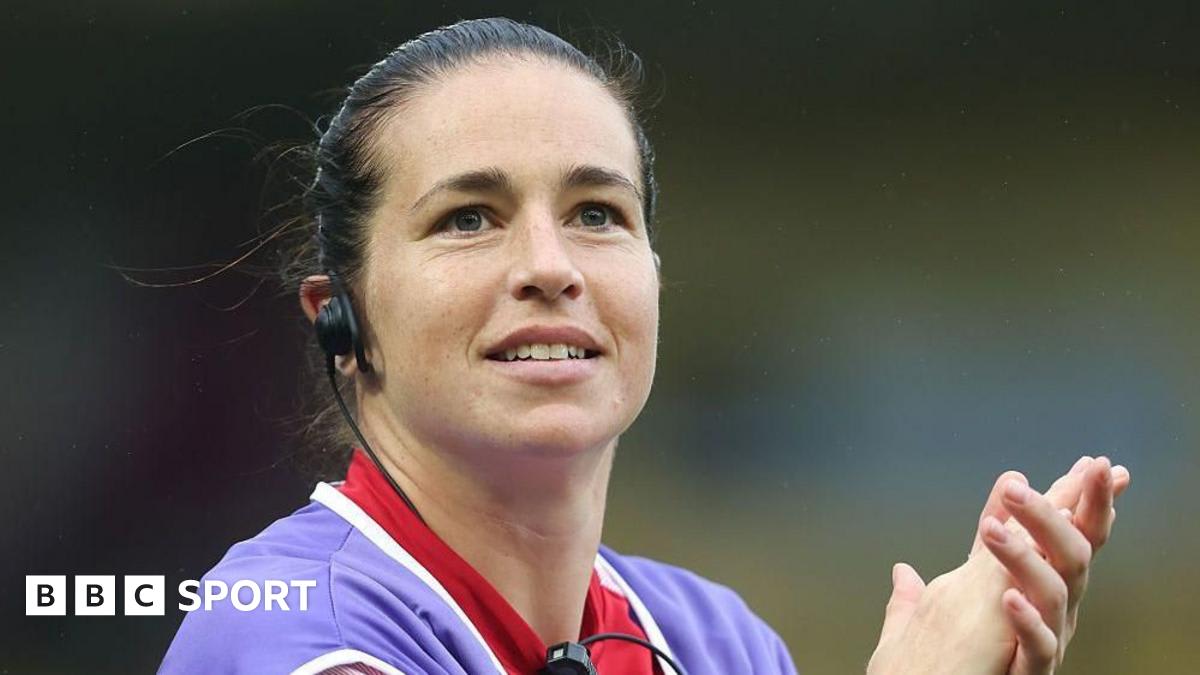
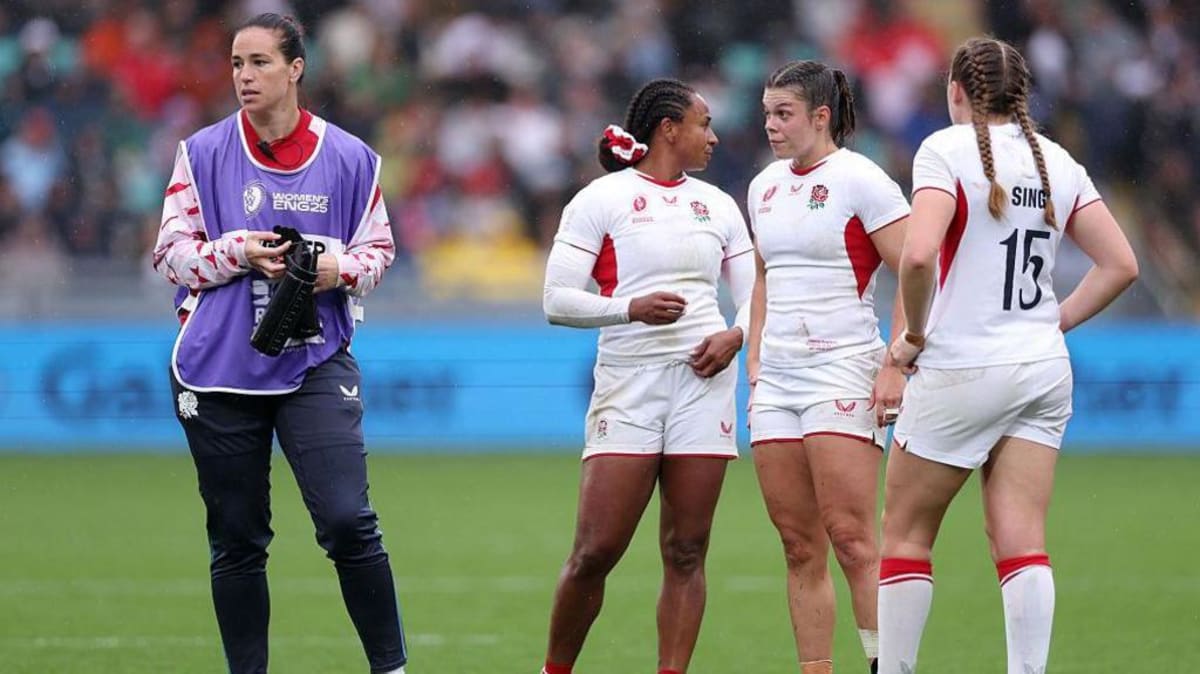
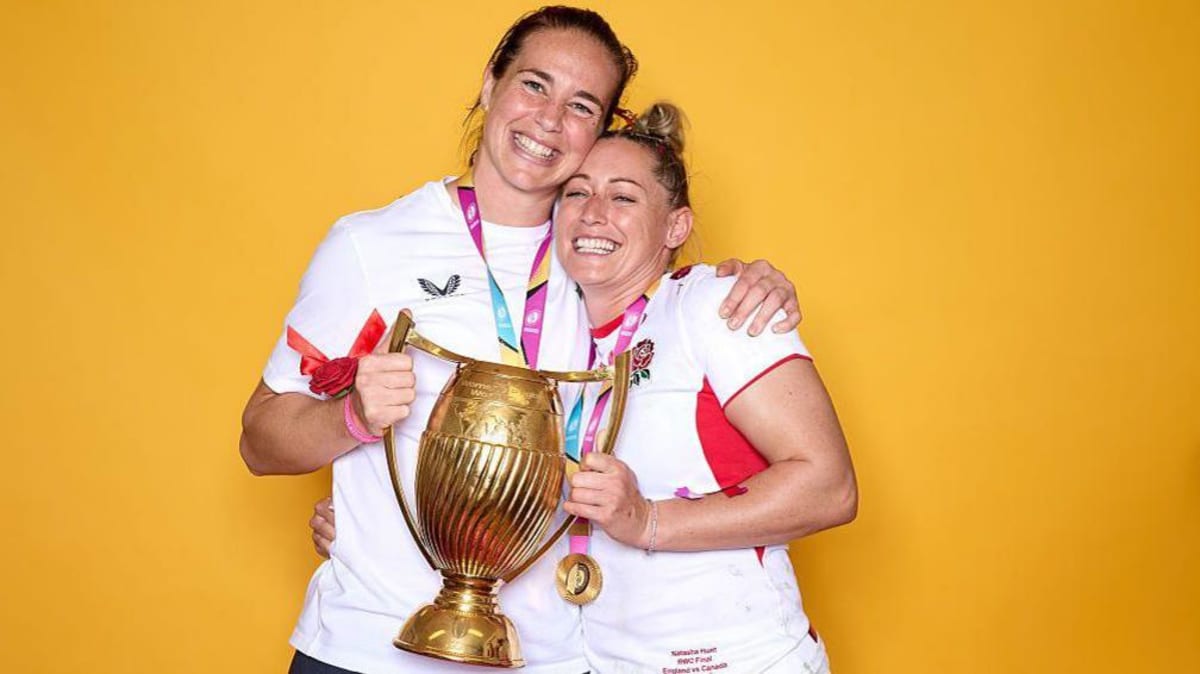
Emily Scarratt hung up her boots in September after helping England win the World Cup. Now she's back at Allianz Stadium this Saturday as the Red Roses' lead attack and backs coach, joining former teammate Sarah Hunter on the coaching staff.
When asked about the impact of female coaches, Scarratt didn't hesitate. "It is huge," she told BBC Sport.
Scarratt spent most of her career learning from talented male coaches. But she's noticed something different happens when women coach women.
"Having females around the environment makes a big difference," she explained. "Just being able to check in with players differently, have different sorts of conversations."
The practical differences matter too. Female coaches can comfortably enter changing rooms and catch players for quick conversations. Players feel safe sharing concerns they might not voice to older or male coaches.
Hunter and Scarratt bring 260 international caps of combined experience to their new roles. Head coach John Mitchell believes both have what it takes to eventually lead as head coach, calling them "authentic, easy to work with and fun to work with."
The Ripple Effect
The numbers tell a story of slow but steady progress. At the 2024 Women's World Cup, 32% of coaches were female, double the 15% from 2021. That still falls short of World Rugby's 40% target, but the momentum is building.
Only three teams at the last World Cup had female head coaches: France, Australia and Japan. England is investing in changing that reality by developing coaching talent from within their recently retired players.
Scarratt acknowledges the challenge of coaching former teammates like scrum-half Natasha Hunt, her podcast co-host and former roommate. "There are certain things I cannot talk to Mo about anymore because there is an element where it's not appropriate for players to know certain things," she said with a laugh.
But the transition feels natural because authenticity matters more than pretending relationships don't exist. The key is balancing friendship with professional boundaries.
Scarratt believes rugby needs to do more than just promote retired players into coaching. "We need to do a better job, whether that is upskilling, making it more accessible or showing that it is visible, for more people to be in the game," she said.
Mitchell hinted that developing female coaches has been part of his plan all along, working alongside RFU head of women's performance Charlie Hayter on future planning.
The path from World Cup champion to World Cup coach is opening wider for women in rugby.
More Images
Based on reporting by BBC Sport
This story was written by BrightWire based on verified news reports.
Spread the positivity!
Share this good news with someone who needs it