Endangered Flying Squirrels Stable at Grandfather Mountain
Eight rare Carolina northern flying squirrels were found thriving at North Carolina's Grandfather Mountain in February, showing the endangered species remains stable. The tiny gliders help scientists track the health of one of America's most threatened forest ecosystems.
Researchers at Grandfather Mountain just confirmed good news for one of North Carolina's rarest residents: the Carolina northern flying squirrel population is holding steady.
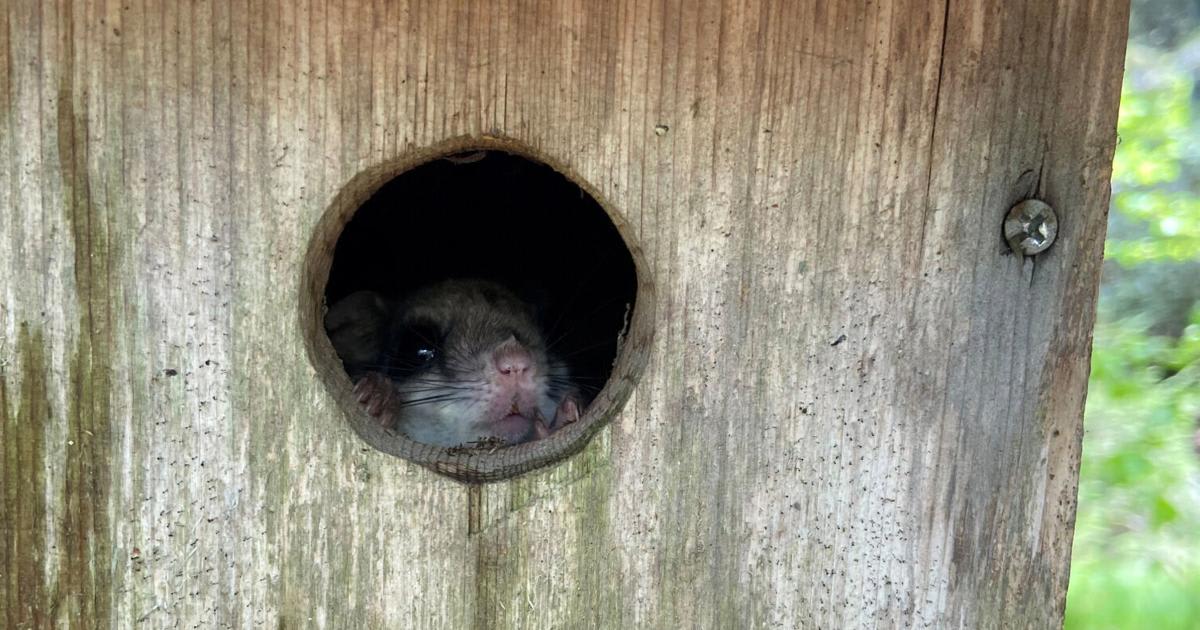
In February, biologists from the N.C. Wildlife Resources Commission partnered with Grandfather Mountain Stewardship Foundation to count eight Carolina northern flying squirrels and one southern flying squirrel during their annual survey. The numbers fall right in the typical range of six to 10 squirrels detected each year, and Will Bennett, research coordinator for the foundation, confirmed the population has remained stable over recent years.
These aren't your average backyard squirrels. Carolina northern flying squirrels sport bright cinnamon fur and a cape of loose skin stretching from wrist to ankle that lets them glide through the air. They weigh nearly twice as much as their southern cousins and only exist in nine locations across Western North Carolina, Eastern Tennessee and Southwest Virginia.
The squirrels do more than just look adorable. As an indicator species, their health directly reflects the health of the spruce-fir forest around them, which happens to be the second most endangered ecosystem in the United States.
Researchers use nest boxes to gently capture the squirrels, then measure their hindfoot length (longer than southern flying squirrels), check their tail color to determine age, and record their weight and reproductive condition. They also use automated recording units to capture the squirrels' vocalizations, since these nocturnal creatures can be hard to spot.
The squirrels play a unique role in their forest home. While most squirrels spread tree seeds by burying acorns, Carolina northern flying squirrels feed primarily on truffles, a type of fungi growing on tree roots. As they munch the truffles and pass the undigested spores throughout the forest, they help spread the fungi that trees depend on for water.
The Ripple Effect
These small creatures tell a much bigger story about forest conservation. Listed as federally endangered since 1985 after being discovered in North Carolina in the 1950s, the squirrels have been studied at Grandfather Mountain since the 1990s. Their stable population numbers signal that the high-elevation spruce-fir forests they call home are also staying healthy.
The annual counts serve as an early warning system. If invasive species, food competition or habitat changes threaten the forest, the flying squirrel population would show it first, giving conservationists time to respond.
Every squirrel spotted is proof that careful stewardship works, and that even our most endangered species can hold on when we pay attention.
More Images


Based on reporting by Google News - Researchers Find
This story was written by BrightWire based on verified news reports.
Spread the positivity!
Share this good news with someone who needs it