Endometriosis Study Identifies 300 Genes for New Treatments
A groundbreaking study analyzing data from over one million women has uncovered 300 genes linked to endometriosis, offering new hope for better treatments. For the first time, researchers identified specific genes in African ancestry populations, addressing a critical gap in women's health research.
Scientists just took a massive step forward in understanding endometriosis, a painful condition that affects far more than just reproductive health.
Researchers at the University of Pennsylvania analyzed data from more than one million women in what stands as the largest biological study of endometriosis ever conducted. The team discovered roughly 300 genes connected to the condition, revealing new mechanisms behind its severe and widespread effects on the body.
"We were able to pinpoint around 300 genes that are going to be really exciting for the field to focus on," says lead researcher Shefali Setia-Verma. These genetic discoveries could transform how doctors treat the condition.
The study also broke important new ground in health equity. Researchers identified specific genes linked to endometriosis in people of African ancestry for the very first time, addressing a group that has been historically overlooked in medical research.
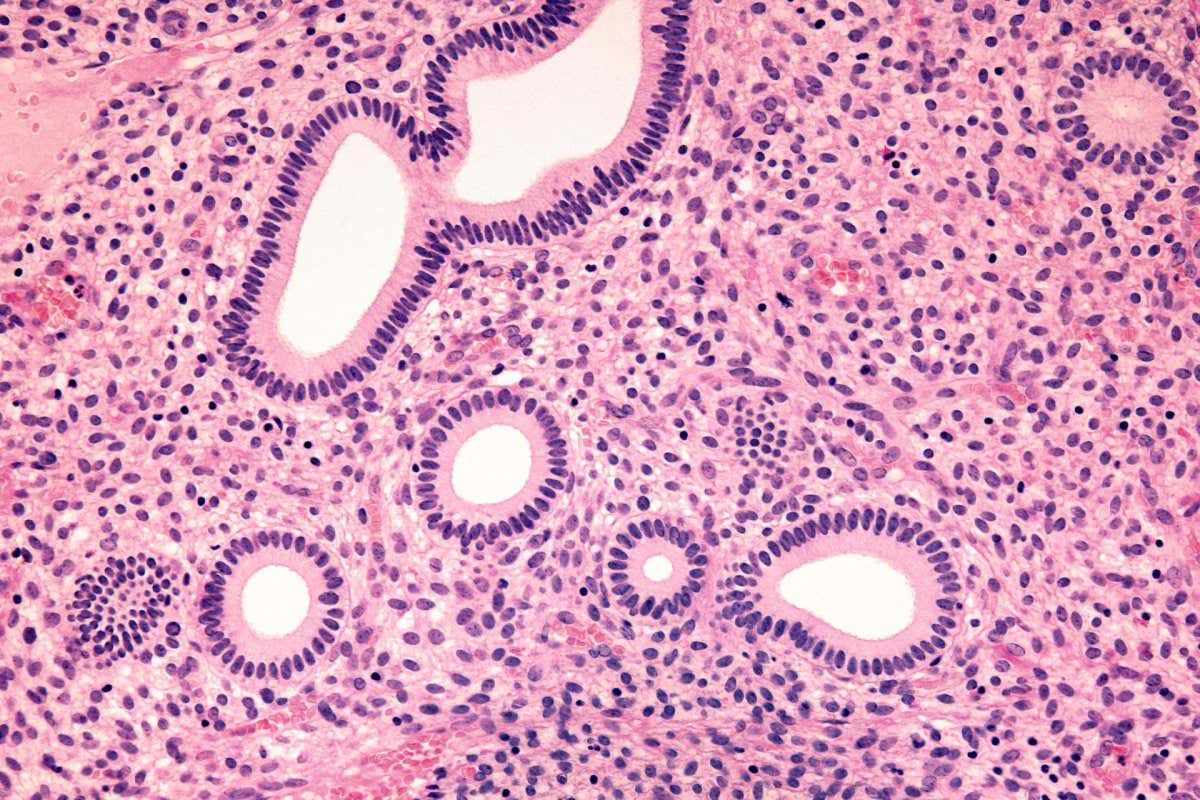
Endometriosis occurs when tissue similar to the uterine lining grows outside the uterus, causing chronic pain and other health problems. Despite affecting roughly one in ten women of reproductive age, the condition often takes years to diagnose and treatment options remain limited.
The newly identified genes shed light on how endometriosis impacts health beyond pelvic pain. Understanding these biological pathways gives scientists concrete targets for developing more effective medications and therapies.
The Ripple Effect
This research represents more than just scientific progress. It signals a shift toward more inclusive medical studies that reflect the diversity of people affected by endometriosis.
When researchers include underrepresented populations, they discover variations that might lead to personalized treatments working better for different groups. The 300 genes identified create a roadmap for pharmaceutical companies and medical researchers to develop targeted therapies that address the root causes rather than just managing symptoms.
Women who have spent years navigating pain, fertility challenges, and dismissed concerns now have tangible hope. Better treatments could mean fewer invasive surgeries, more accurate diagnoses, and relief from symptoms that impact work, relationships, and daily life.
The findings also validate what patients have long known: endometriosis affects the whole body, not just one area. This holistic understanding could finally bring the condition the research attention and medical resources it deserves.
For the millions of women waiting for answers, this massive genetic study offers something precious: a clear path forward toward treatments that truly work.
More Images


Based on reporting by New Scientist
This story was written by BrightWire based on verified news reports.
Spread the positivity!
Share this good news with someone who needs it