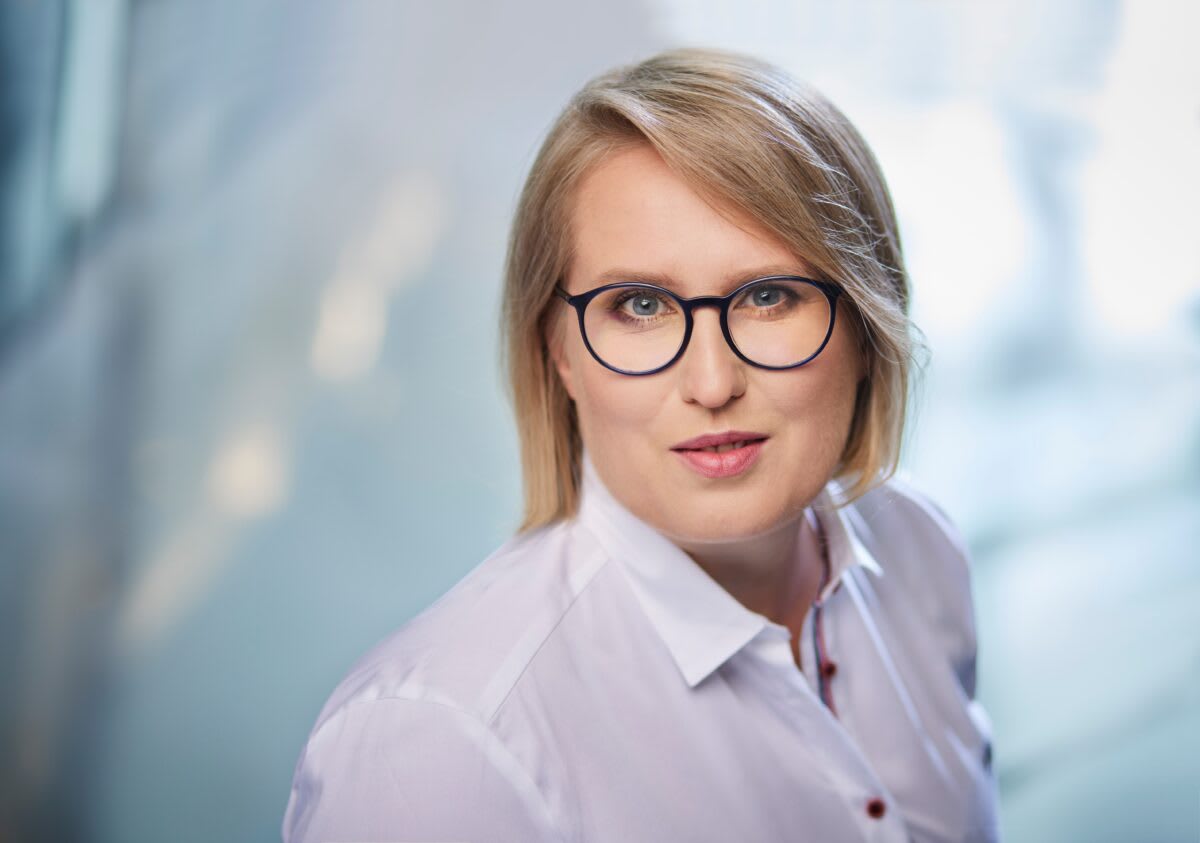
Energy Leader: Competence, Not Confrontation, Beat Bias
A senior energy executive shares how she overcame gender bias by consistently demonstrating skill, not arguing about inequality. Her success story reveals why diversity isn't just fair—it's making renewable energy companies more profitable and innovative.
A woman walking into energy sector boardrooms once meant raised eyebrows. Now, one executive's quiet persistence is proving why those assumptions were costly mistakes all along.
Throughout her career in banking and energy finance, she faced constant skepticism about her technical knowledge and deal-making abilities. But instead of confronting bias head-on, she chose a different strategy: she simply outperformed expectations every single time.
"Bias is like background noise," she explains. "You can either tune it out or let it drown your signal." Her approach was to let her work speak louder than any argument about fairness ever could. Adults learn like children, she realized—not from what you tell them, but from what you show them.
That philosophy paid off. She's now a leader at R.Power, a renewable energy company, and was recently named to the Forbes Top 25 Female Lawyers in Business list. But she's quick to note that individual success isn't enough to change an entire industry.
Central and Eastern Europe's energy sector offers surprising proof that transformation is possible. As state-run systems transitioned to competitive markets, the region needed fresh perspectives. That opened doors for women and minorities in leadership roles, making it one of the most dynamic renewable energy markets today.
The business case for diversity goes beyond fairness. Different perspectives at the table lead to better decisions with wider social acceptance. In renewables especially, where the talent pool is limited and competition is fierce, inclusive environments aren't optional—they're a competitive advantage.
The executive emphasizes that DEI initiatives fail when treated as "nice to have" rather than business-critical. Companies need to translate inclusion into business language: metrics, performance, risk, and long-term value. But behind every number is a person who needs the right environment to thrive.
Why This Inspires
Her story reveals a powerful truth about lasting change. When her achievements were being considered for industry recognition, the CEOs of both her current and previous companies immediately provided thoughtful recommendations. That support, she says, was "inclusive leadership in practice—someone willing to hold the ladder while I climbed."
The renewable energy sector is already transforming how the world powers itself. Now it's also proving that diverse teams don't just create fairer workplaces—they build better businesses and smarter solutions for everyone.
More Images

Based on reporting by PV Magazine
This story was written by BrightWire based on verified news reports.
Spread the positivity!
Share this good news with someone who needs it