Engineer Builds AI Clone Before Leaving Baidu
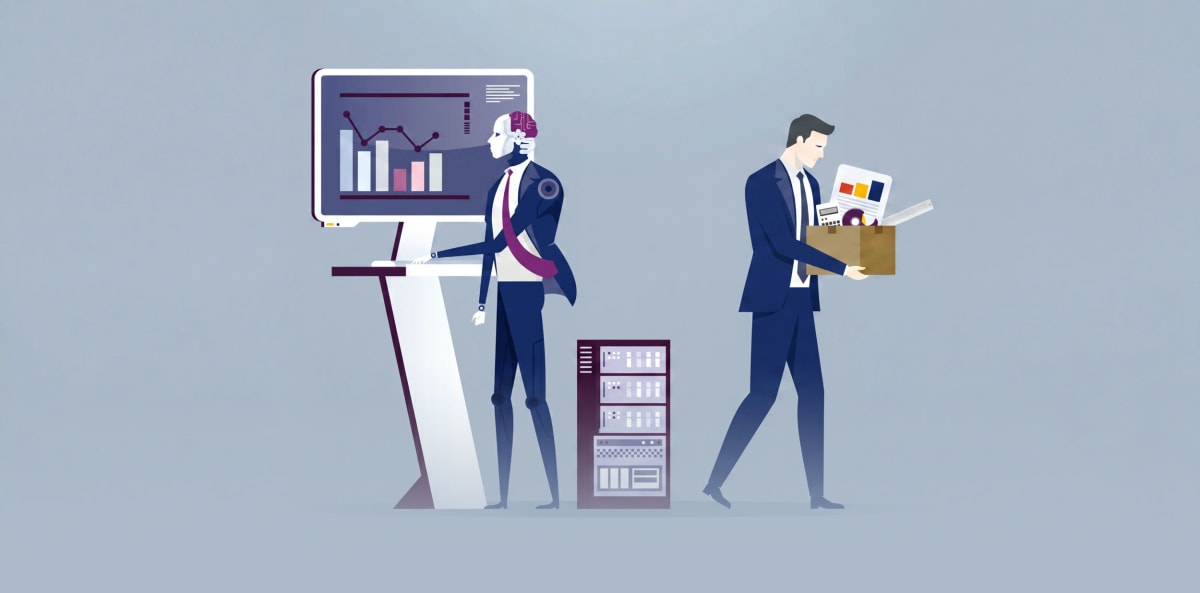
Before quitting his job at tech giant Baidu, algorithm engineer Wei Ying spent a week creating an AI version of himself that could answer questions and complete 90% of his work. The trend, called "distillation" by Chinese workers, is spreading across industries as companies ask employees to turn their knowledge into AI systems.
When Wei Ying decided to leave his job at Chinese tech giant Baidu this spring, he didn't just write a handover document. He spent a week building an AI version of himself.
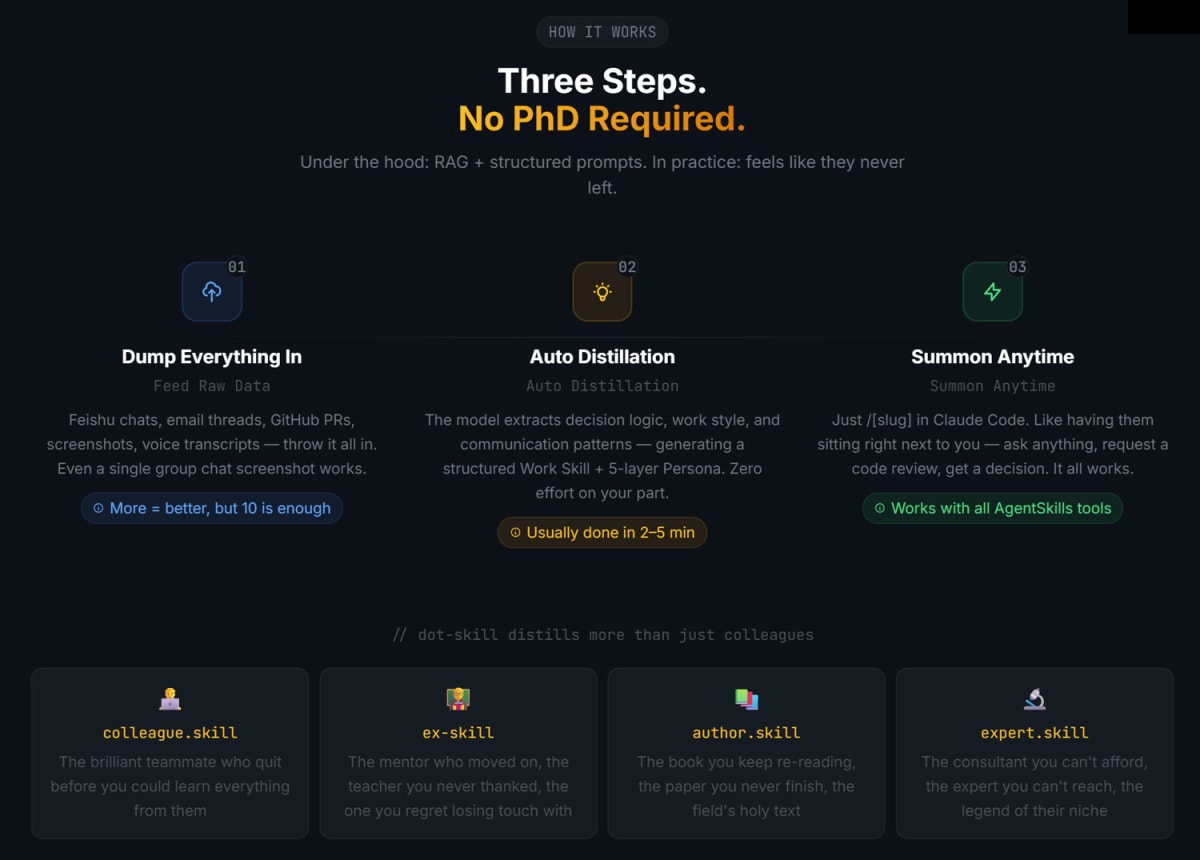
Coworkers fed his code, documents, research, and chat histories into an internal AI system trained to mimic how he solved problems. Within a week, the digital Wei could handle 90% of his tasks, answer technical questions, and even replicate his collaboration style.
"The only thing you can't do is video call it," Wei said. After he left, colleagues could still message the AI bot, assign it tasks, and get help as if he'd never resigned.
This isn't just happening at Baidu. Workers across China are increasingly being asked to turn their expertise into reusable AI systems before leaving their jobs. On Chinese social media, people are calling it "distillation," borrowing a term from AI development where large models are compressed into smaller ones.
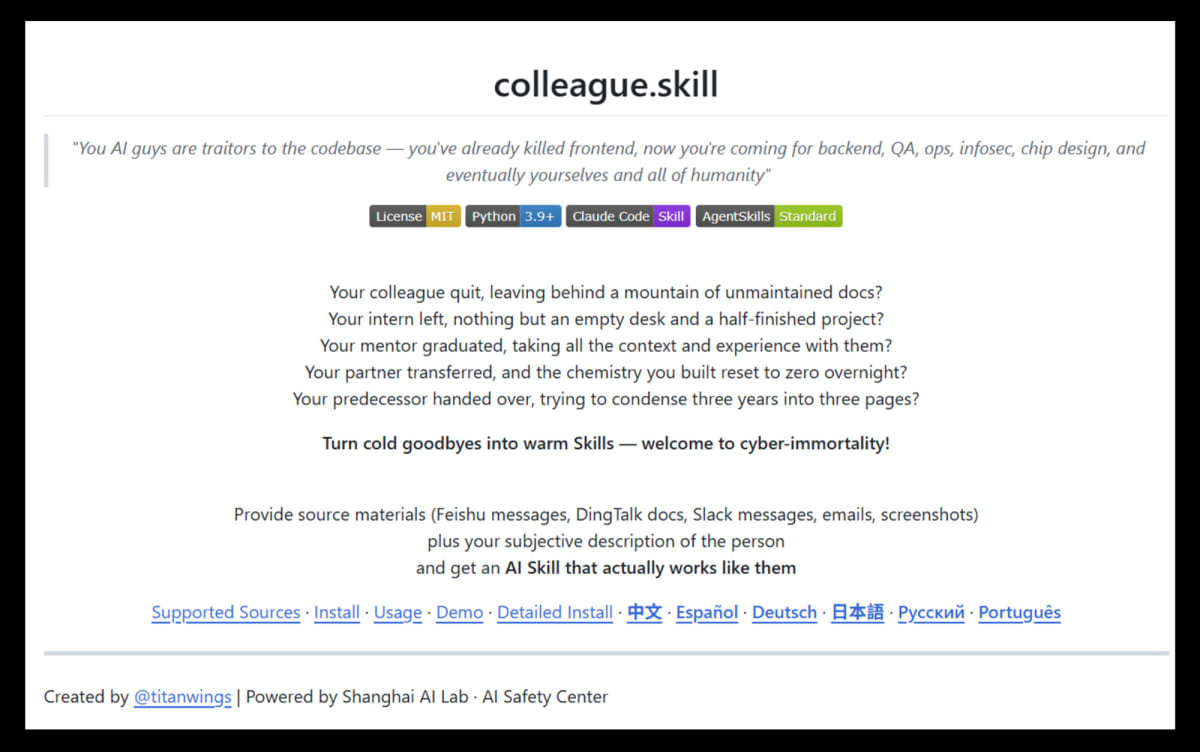
The phenomenon went viral when Shanghai AI Laboratory engineer Zhou Tianyi built a parody project called "colleague.skill" in March. The slogan read: "Turning cold farewells into warm skills. Welcome to Digital Life 1.0." Within 10 days, it gathered over 10,000 stars on GitHub, inspiring spinoffs for ex-partners, investors, and celebrities.
Wei said the process moved quickly because years of his work had been carefully documented. Without the AI version, his unfinished projects would have overwhelmed his colleagues. "They would have been exhausted," he explained.
Because leaving was his choice, Wei accepted the process calmly. "It's like leaving a tombstone," he said. "You want it to look good when future colleagues see it."
The Bright Side
While some young tech workers worry about training their own replacements, the trend is solving a real workplace problem. Knowledge often walks out the door when employees leave, forcing teams to start from scratch or struggle with incomplete projects.
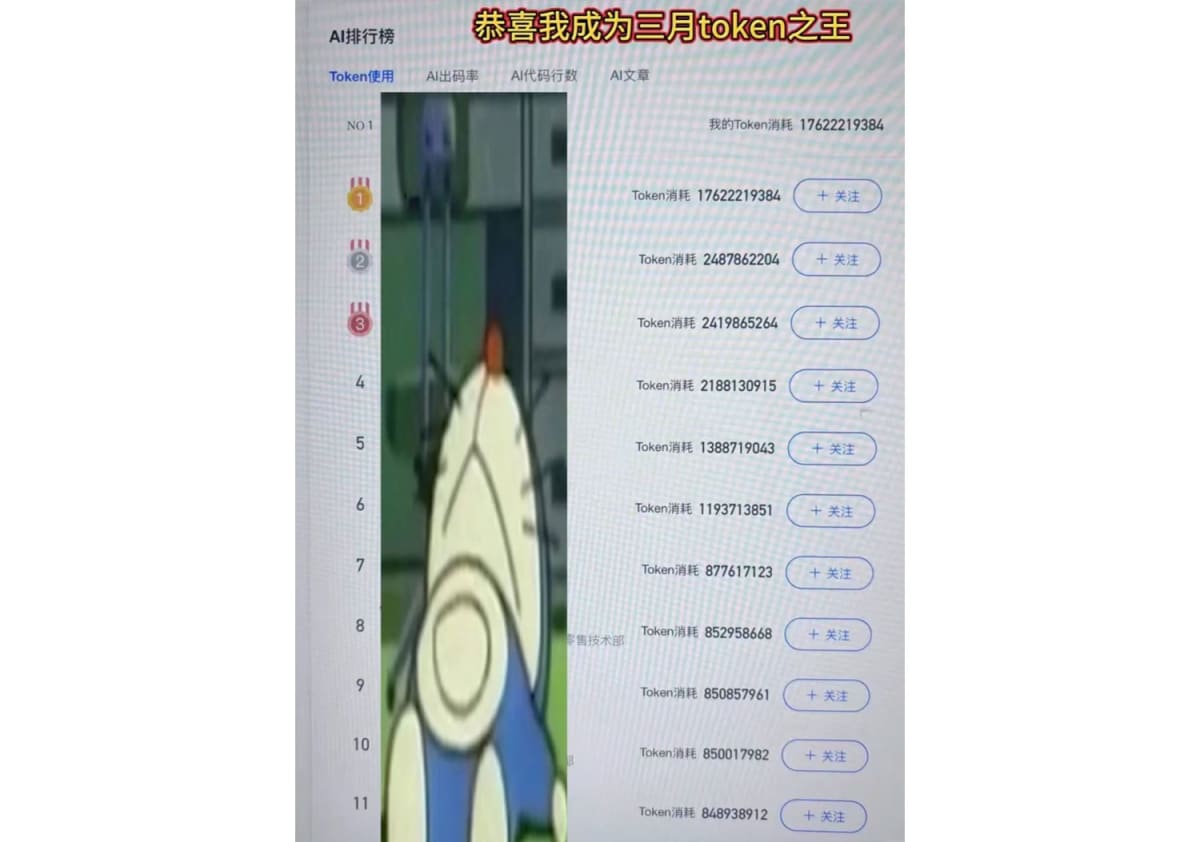
Wei's AI clone meant his team could continue benefiting from his expertise without burdening remaining staff. At companies like Baidu, internal dashboards already track AI usage by employee, making these knowledge-sharing systems part of normal workflow rather than threatening replacements.
Xue, who works at a finance company in Sichuan province, said his employer encouraged staff to create AI skills in March to build a shared company knowledge base. While some felt pressure to keep up, others saw value in preserving institutional knowledge that previously disappeared with departing employees.
As Zhou Tianyi noted when his parody project went viral, "Honestly, I just wanted to do something fun." What started as satire is becoming a practical solution for preserving workplace knowledge.
Wei's final message to his colleague summed up the new reality: "Thanks for refining me into a skill. Even though I won't be here anymore, I can still do my part for the team."
More Images

Based on reporting by Sixth Tone
This story was written by BrightWire based on verified news reports.
Spread the positivity!
Share this good news with someone who needs it