Engineer Creates Algae That Eats Microplastics From Water
A University of Missouri scientist engineered algae that attracts and removes microplastics from water while cleaning wastewater and creating useful bioplastic products. The breakthrough could transform how cities treat water and tackle plastic pollution.
Tiny pieces of plastic in our drinking water might finally meet their match, thanks to algae that acts like a magnet for pollution.
Susie Dai, a professor at the University of Missouri, engineered a special strain of algae that hunts down microplastics in water. These microscopic plastic bits currently slip through most water treatment plants and end up in our lakes, rivers, and even the fish we eat.
The solution works like magic, but it's pure science. Dai used genetic engineering to make the algae produce limonene, the same natural chemical that gives oranges their fresh smell. This compound makes the algae water-repellent, just like microplastics. When they meet in water, they stick together like magnets and sink to the bottom in clumps that are easy to scoop out.
The best part? This approach solves three problems at once. The engineered algae grows in wastewater, feeding on excess nutrients that would otherwise pollute waterways. While it grows, it cleans the water and captures microplastics. Then Dai's team can transform those collected plastics into safe bioplastic products like composite films.
"Microplastics are pollutants found almost everywhere in the environment," Dai explained. Her findings, published in the prestigious journal Nature Communications, show the algae works in real conditions, not just in theory.
The Ripple Effect
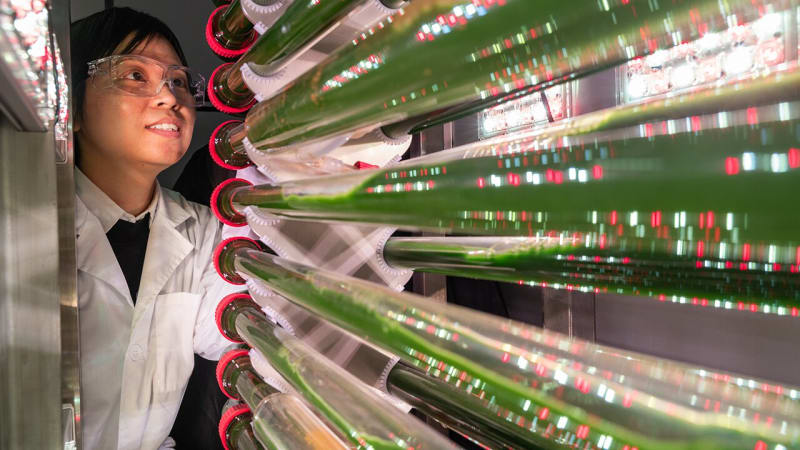
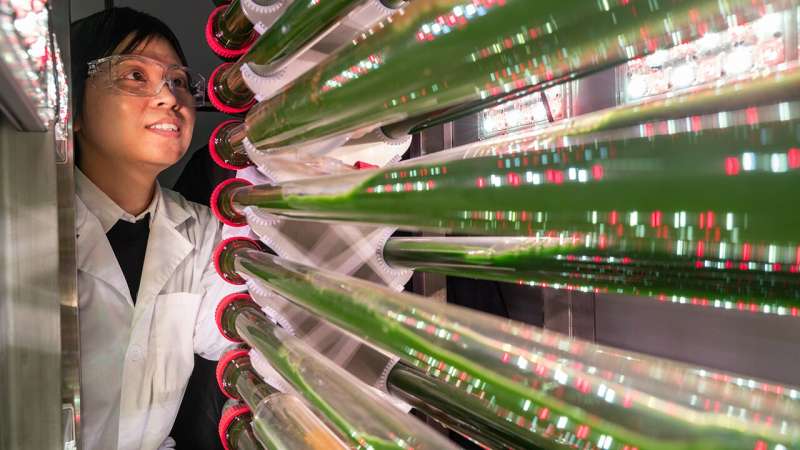
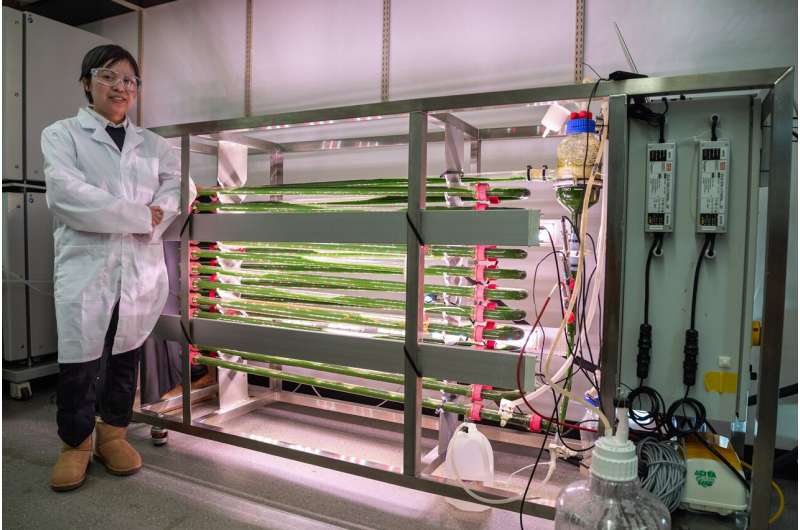
Dai's lab already runs large tank bioreactors to test the technology. They built a 100-liter system nicknamed "Shrek" that processes industrial pollution to clean the air. Now she plans to scale up even bigger versions that could plug directly into existing wastewater treatment plants.
Cities could adopt this technology without rebuilding their entire water systems. The algae does the hard work of catching what current filters miss, turning a pollution problem into useful products.
The research is still in early stages, but the potential reaches far beyond one lab in Missouri. If cities worldwide could remove microplastics while creating bioplastics and cleaning wastewater, we'd tackle a global pollution crisis with a solution that practically pays for itself.
Dai's work proves that sometimes the smallest organisms can solve our biggest environmental challenges.
More Images

Based on reporting by Google News - Science
This story was written by BrightWire based on verified news reports.
Spread the positivity!
Share this good news with someone who needs it