Engineer Triples Family Apple Farm Profits, Cuts Middlemen
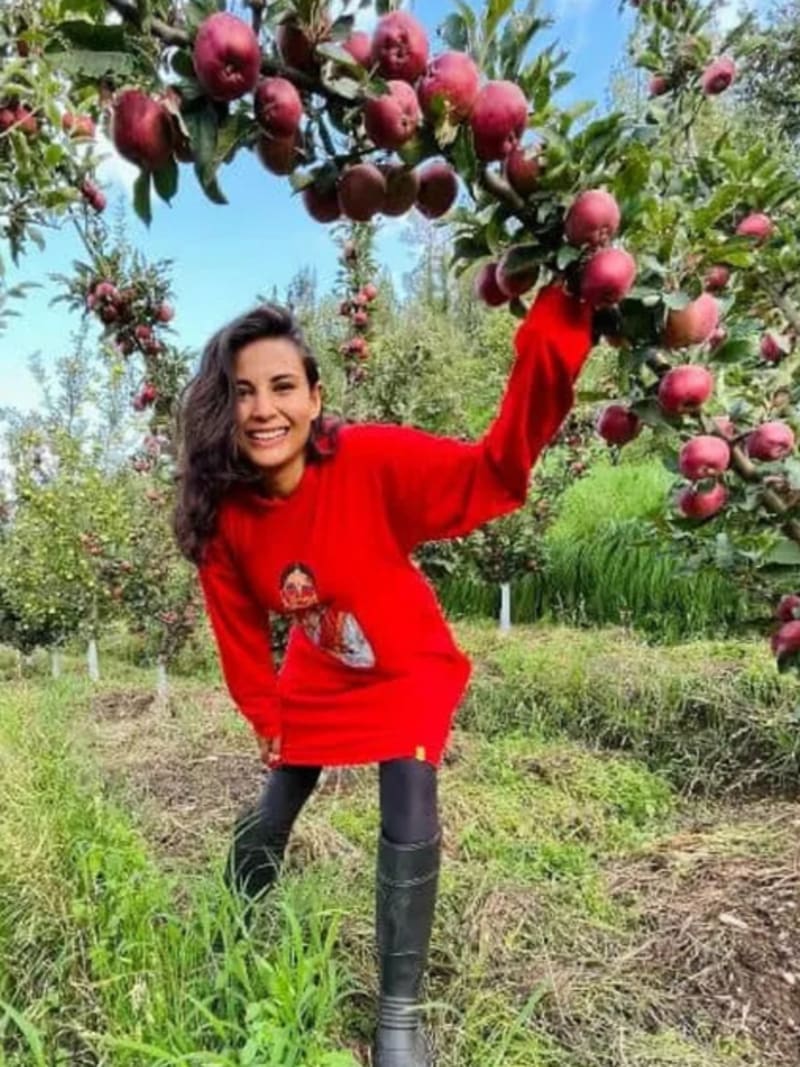
A Himachal Pradesh engineer returned home to help her parents sell apples directly online, tripling their profits and inspiring sustainable farming. What started with 10,000 Instagram followers became Phal Phool, a thriving farm-to-customer business.
When Aprajita Bansal moved to Bengaluru for her engineering job, she discovered something infuriating. The apples her parents struggled to sell at low prices in Himachal Pradesh were being sold in city markets for Rs 300 per kilogram.
Her family had grown apples for three generations on their orchard in Banon, Mandi district. Yet middlemen pocketed most of the profits while her parents barely broke even.
"I was baffled by how cold storage apples were fetching a better price than farm-fresh apples sold by my parents," Aprajita says. She had witnessed firsthand the painstaking work her family put into every harvest.
While working in Noida, she started sharing plant care tips on Instagram and learned about sustainable farming. Climate change was already impacting her family's produce back home, and she knew something had to change.
In July 2021, she returned to Himachal with a plan. She asked her 10,000 Instagram followers a simple question: would they buy freshly picked apples straight from the farm?
The response overwhelmed her. Orders flooded in, and Phal Phool was born.
"My parents were overjoyed and had tears in their eyes," Aprajita remembers. "For the first time, they were getting what they deserved."
Her father Arun Bansal says the transformation has been remarkable. "Earlier, we had to go to Delhi to sell our apples. Due to middlemen, no farmer ever gets the full value. After my daughter started selling online, things have changed."
The Ripple Effect
Aprajita's impact extends far beyond tripling her family's profits. She now sells flower, pulse, and vegetable seeds directly to customers nationwide, proving the farm-to-customer model works.
She also transformed their farming practices completely. For four and a half years, they've used zero pesticides or insecticides, focusing instead on soil health through cow dung and vermicompost.
They planted nitrogen-fixing crops like mustard and clover for natural mulching. After completing a permaculture course at Aranya Agricultural Alternatives in Hyderabad, Aprajita began creating a food forest on part of their land.
Every July for the past three years, customers across India receive genuinely fresh apples. Not last year's cold storage stock or imports, but fruit picked at peak ripeness.
"The apples you find in the market are often last year's stock," Aprajita warns. "Middlemen are attempting to clear their old stock while the season in Himachal has just begun."
What started as one daughter helping her parents has become a blueprint for sustainable, profitable farming that keeps families on their land and customers eating fresher food.
Based on reporting by The Better India
This story was written by BrightWire based on verified news reports.
Spread the positivity!
Share this good news with someone who needs it