Engineers Map Battery Charging Fix to End Phone Deaths
Scientists can now see the exact moment lithium-ion batteries start to fail, paving the way for charging technology that could make your phone battery last years longer. The breakthrough could transform how we charge everything from smartphones to electric vehicles.
Your phone battery's worst enemy just met its match, thanks to engineers who can now watch batteries fail in real time and stop it before it happens.
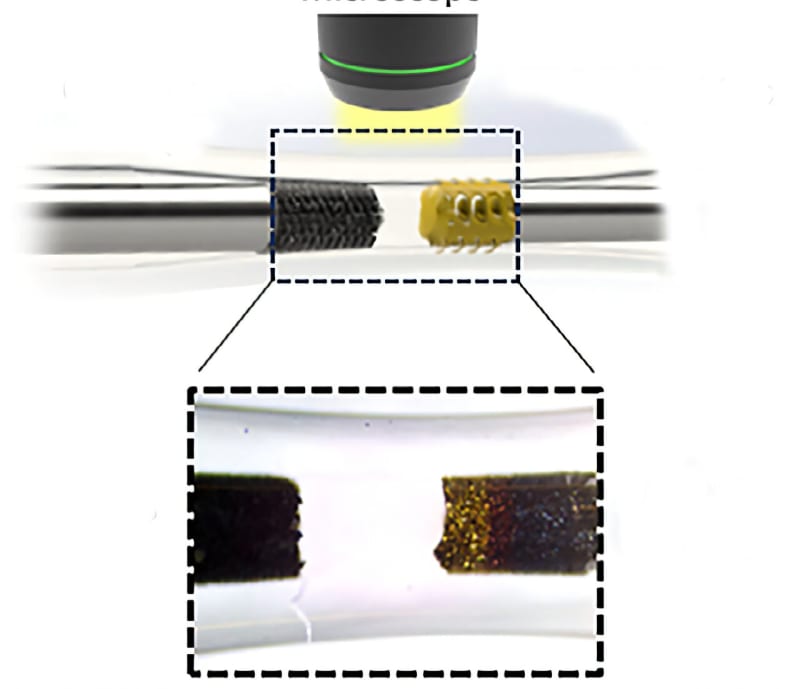
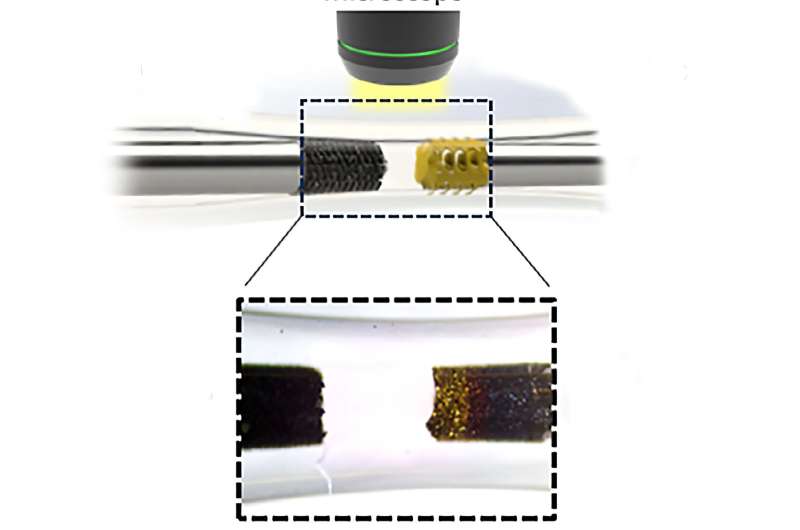
Researchers at Washington University in St. Louis developed a microscopy platform that captures the precise moment when fast charging damages lithium-ion batteries. For the first time, scientists can see "lithium plating" as it forms, a glittery gold coating that reduces battery life and creates fire risks.
The culprit behind dying phone batteries isn't just age. When you fast charge your phone or charge it in cold weather, lithium ions sometimes stick to the battery's surface instead of properly storing energy inside. This creates metal buildup that steals capacity and shortens lifespan with every charge.
Associate Professor Peng Bai and his team mimicked battery conditions under glass tubes, recording exactly when and at what voltage the damaging plating begins. They turned those observations into a "performance map" that shows safe charging limits.
The practical impact is immediate. Bai recommends stopping your phone charge at 80% instead of letting it hit 100%, especially during fast charging. The sweet spot changes based on temperature, but cutting off early protects long-term battery health.
The Ripple Effect
This breakthrough reaches far beyond smartphones. Electric vehicle manufacturers can use these maps to design charging systems that automatically stop before damage occurs. Battery makers can test new materials faster and develop chemistries that resist plating altogether.
The research, published in the journal Small, also confirmed that ether-based electrolytes could improve battery performance. As manufacturers adopt these findings, future batteries could charge faster and last longer without the tradeoffs that plague current technology.
The team's work solves a problem that has frustrated battery scientists for years. Previous attempts to watch battery chemistry in action couldn't capture the detail needed to pinpoint failure moments. Now, with clear visibility into the process, engineers have quantitative data to optimize every aspect of battery design.
Consumer technology could shift dramatically within a few years. Imagine charging protocols built into phones that adjust voltage based on temperature, automatically protecting your battery without requiring you to remember the 80% rule. Electric vehicles could gain hundreds of extra charging cycles over their lifetime.
Better batteries mean less electronic waste, longer-lasting devices, and electric vehicles that hold their value. The same phone that once needed replacement after two years of degraded battery life could serve you reliably for four or five.
More Images



Based on reporting by Phys.org - Technology
This story was written by BrightWire based on verified news reports.
Spread the positivity!
Share this good news with someone who needs it