%2Ffile%2Fattachments%2Forphans%2F14256234_115985.jpg)
Engineers' WhatsApp Group Guides Nepal Flood Rescue Mission
After floods killed over 1,200 people in Nepal, a 500-member WhatsApp group of engineers is helping rescue teams navigate buried hydropower tunnels where hundreds may still be alive. Real-time blueprints and expert advice shared through the chat are guiding workers searching for nearly 900 missing people.
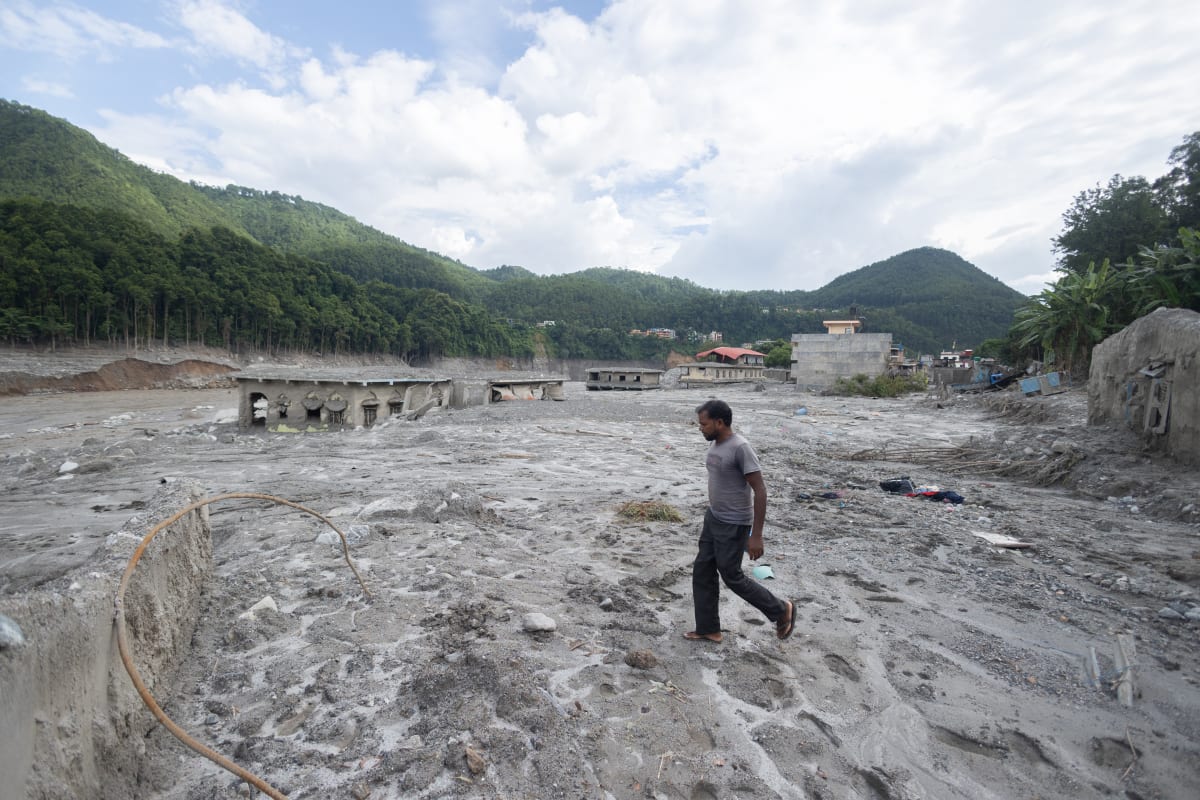
When a massive flash flood tore through Nepal's Trishuli valley on August 26, burying hydropower plants under 2.2 million tonnes of mud and rock, rescuers faced an impossible task: finding tunnel entrances that could shelter survivors.
The solution came from an unexpected place. A WhatsApp group of engineers, originally created before the disaster, transformed into a vital rescue command center with over 500 expert members.
"Can you send me Chilime layout drawings," a government official typed into the group on Saturday. Minutes later, detailed blueprints of the buried powerhouse and access tunnels appeared on screens across the rescue operation.
This digital collaboration is now guiding the desperate search for about 900 people missing from six hydropower plants. Authorities believe some workers may have survived by fleeing into the tunnels when the glacier collapse triggered the deadly flood.
Finding tunnel entrances has become a challenge worthy of the engineering expertise flowing through the chat. The flood completely transformed the landscape, burying familiar landmarks and altering tunnel structures beyond recognition.
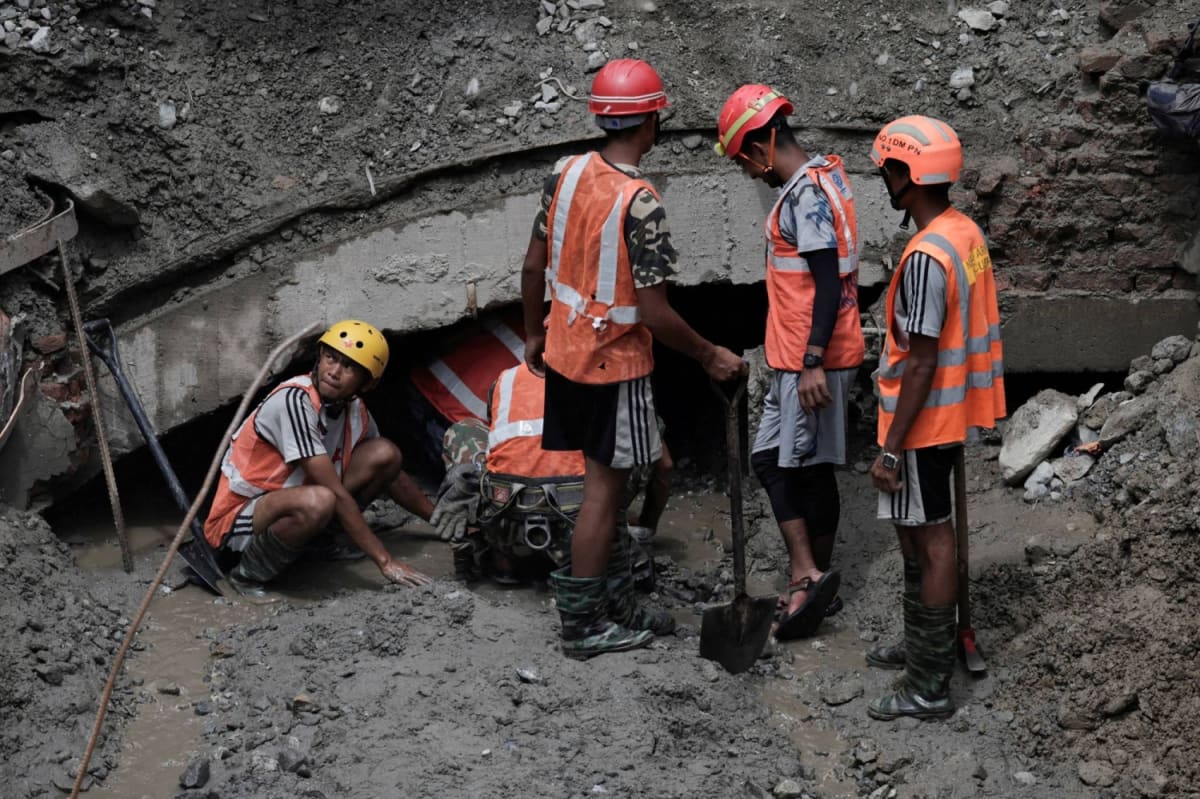
At the Rasuwagadhi plant, rescue teams pushed 250 meters into one tunnel before hitting a blockade. They're regrouping to try again, hoping to reach a chamber where 46 workers might have access to food and water.
The Upper Trishuli 3A site presented an even tougher obstacle. Rescuers spent six days just uncovering the tunnel entrance before they could begin searching inside.
Once tunnels are located, the WhatsApp group provides crucial intelligence. Former plant employees share insights about tunnel networks, while engineers analyze structural integrity and suggest safe routes for rescue teams.
At Upper Trishuli 1, the group's early warning system saved lives. Civil engineer Jan Jiwan Thakur received a message from a colleague moments before the flood arrived, giving him and 100 others just enough time to climb to safety.
The Ripple Effect
This volunteer network of engineers represents something powerful: professional expertise mobilized instantly for humanitarian crisis. The same technology people use to share vacation photos is now helping navigate one of Nepal's worst natural disasters.
The flood wiped out 10% of Nepal's power generation capacity, but it also revealed the country's capacity for innovative problem-solving under pressure. Every blueprint shared, every tunnel detail provided, and every structural insight offered through that WhatsApp group increases the chances of bringing someone home alive.
Nepal army spokesperson Raja Ram Basnet acknowledged the unprecedented challenge facing rescue teams. The altered terrain and debris-filled tunnels created conditions unlike anything they'd encountered before.
Yet the search continues at all six sites, powered by heavy machinery above ground and expert knowledge flowing through digital channels. Oxygen is being pumped through pipes into potential cavities at some locations, sustaining hope that someone might still be waiting for rescue.
The engineers keep their phones close, ready to share the next crucial piece of information that could guide rescuers to survivors trapped in the darkness below.
More Images

Based on reporting by Daily Maverick
This story was written by BrightWire based on verified news reports.
Spread the positivity!
Share this good news with someone who needs it