England Adds 13 Swim Sites as Communities Fight Plastic
England is set to gain 13 new designated bathing spots, including the first ever on London's River Thames. Swimmers, councils, and brands are turning the growing wild swimming movement into a powerful force against single-use plastic pollution.
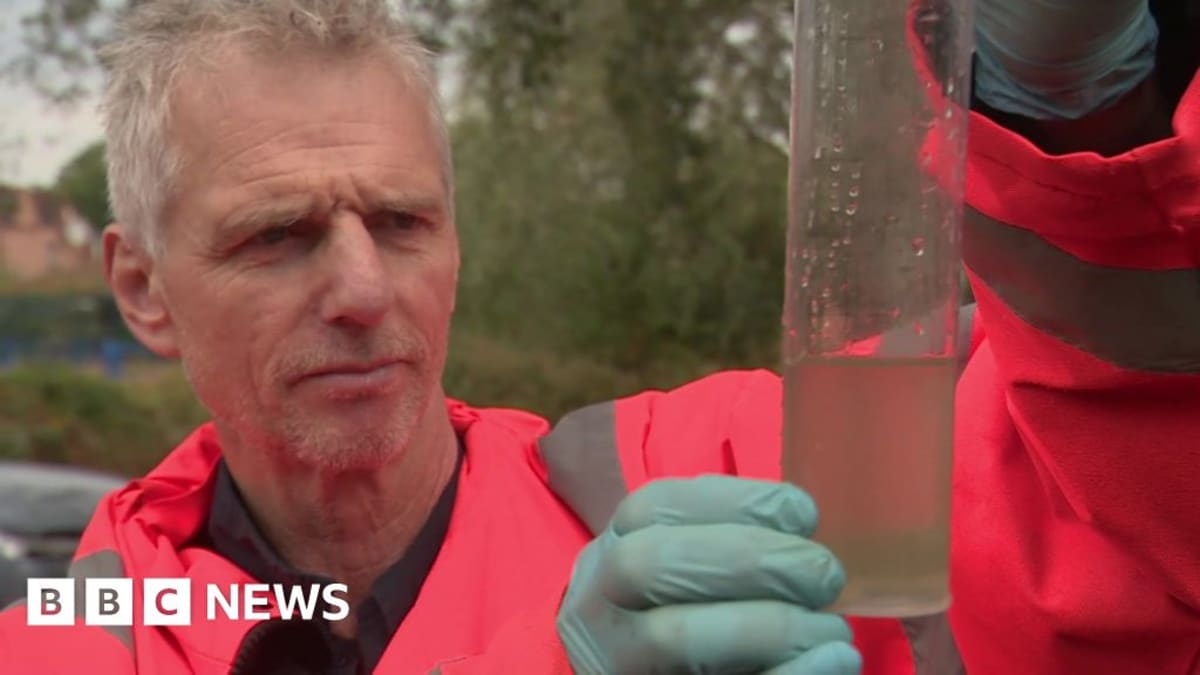
A river once declared biologically dead is about to become London's first designated swimming spot, and the transformation says everything about what's possible when communities care.
England could soon welcome 13 new official bathing water sites, bringing the national total to 464. The proposed additions include a stretch of the River Thames at Ham and Kingston, which was so polluted in the 1950s that scientists declared it lifeless.
Last year, 93% of England's bathing waters met acceptable swimming standards. Four in five earned ratings of excellent or good, proving that cleanup efforts work and waters can heal.
But swimmers aren't just celebrating cleaner rivers. They're using their growing numbers to tackle the plastic that threatens them.
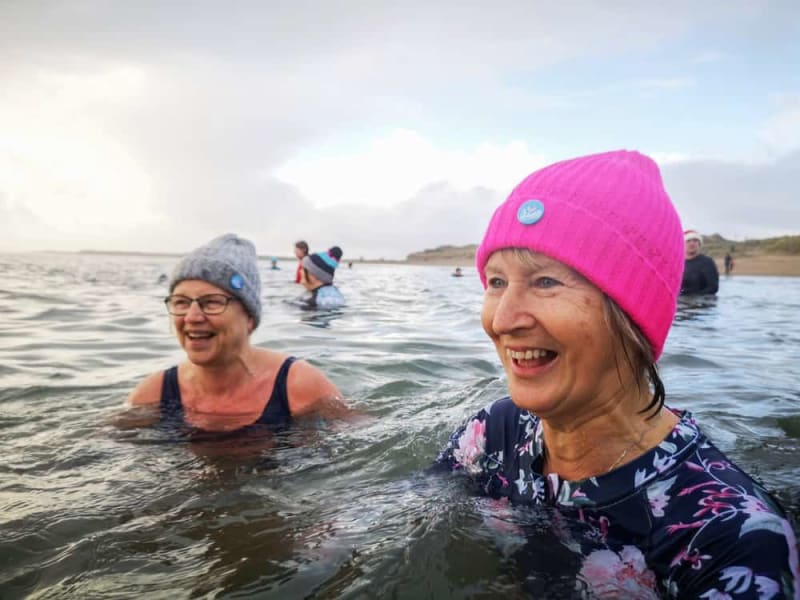
On a January morning in Brighton, swimmers at Sea Lanes received hot drinks in reusable bottles instead of disposable cups. The event was organized by reusable bottle brand frank green, supported by MINI's electric vehicles, and designed to make refill culture feel normal and easy.
The timing matters. English adults buy around 175 single-use plastic bottles each year, totaling 7.7 billion bottles sold annually. Only a fraction get recycled, and bottles rank as the second largest contributor to marine litter.
Dan Roberts from frank green sees swimming culture as a turning point. "We're encouraging people to reconnect with the water but at the same time plastic waste is still ending up in those same waters," he says.
The shift requires more than individual choice. Brighton's Pride in Place program awarded the city £20 million over ten years for public improvements, and community leaders will help decide where funds go. Expanding refill stations along the seafront could fit within that framework.
Local groups remain vigilant about corporate greenwashing. Organizations like Leave No Trace Brighton only partner with brands whose environmental commitments run deeper than marketing slogans.
Real collaboration is taking shape. Sea Lanes provides facilities, the council shapes infrastructure, brands push culture change, and campaign groups maintain accountability.
Brighton's Big Swim will bring together more than 1,000 women in March for International Women's Day, raising funds for Surfers Against Sewage. "We're turning a joyful sea dip into a powerful call to end pollution," says organizer Nicky Chisholm.
There's precedent for swimming communities driving change. In 2019, the Isle of Skye became one of the first UK places where retailers voluntarily stopped selling single-use plastic water bottles following local pressure.
The Ripple Effect
When thousands of people regularly immerse themselves in rivers and seas, they develop a personal stake in protecting those waters. That connection transforms casual swimmers into active environmental advocates who pressure councils, support cleanup campaigns, and demand better from the brands they buy.
Swimming culture is creating environmental citizens who won't accept plastic bottles washing up on the beaches where they gather.
Based on reporting by Positive News
This story was written by BrightWire based on verified news reports.
Spread the positivity!
Share this good news with someone who needs it