England Bans Deep-Fried School Lunches, Adds 500K Free Meals
England is overhauling school food standards for the first time in over a decade, banning deep-fried foods and limiting sugary desserts to once weekly. The changes will reach an extra 500,000 children through expanded free meal programs starting September 2027.
Five-year-old Sumaya is excitedly loading her burrito with olives and cheese at Greenside Primary School in west London, where Friday lunch means chickpeas, spicy rice, and roasted sweet potatoes instead of pizza and chips.
This scene might soon become normal across England. The government just announced its first major update to school food standards in more than a decade, targeting a troubling statistic: one in three children now leave primary school overweight or obese.
Starting September 2027, deep-fried foods like chicken nuggets and chips will be completely banned from school cafeterias. High-sugar desserts will be limited to once weekly, replaced most days with fruit-based options instead of doughnuts, cakes, and ice cream.
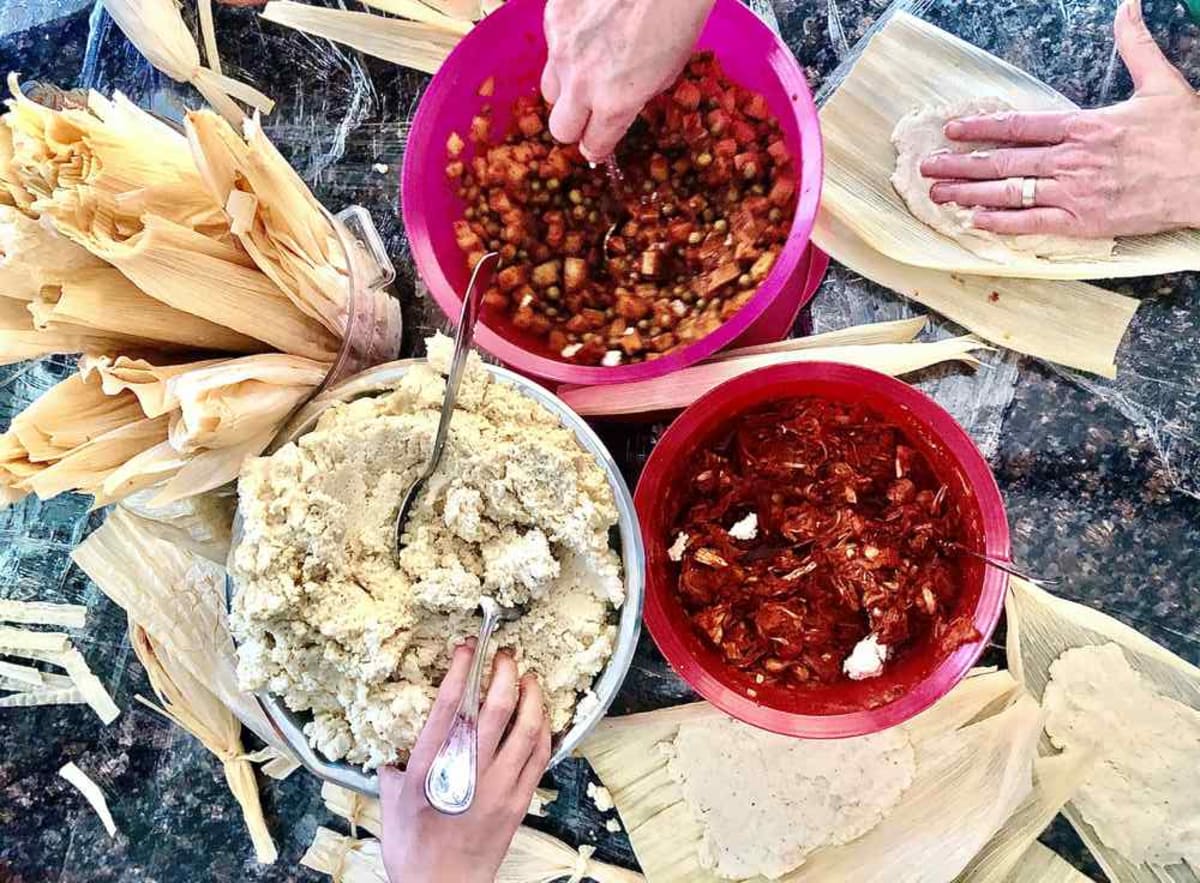
The changes go beyond removing junk food. New standards will add more grains, pulses, and vegetables to plates, with sample menus featuring Mexican bean burritos, cottage pie with root-vegetable mash, and roasted chickpea wraps.
The reforms will also expand free school meals to every child in families receiving universal credit, reaching an additional 500,000 students in England. Three-quarters of UK parents currently worry about what their children eat at school, according to a recent government poll.
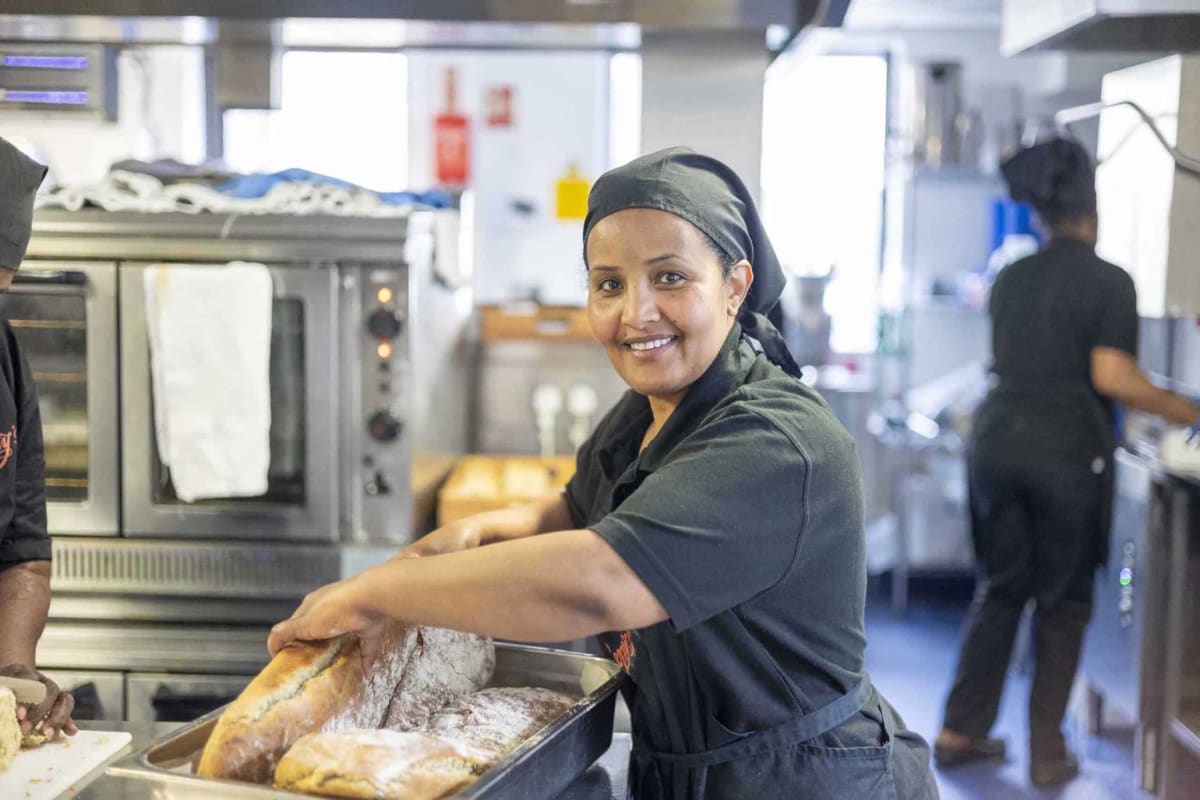
Schools like Greenside are already showing what's possible. Every Friday, students participate in "breaducation," baking bread tied to their curriculum lessons. Herb planters in the garden let children pick fresh ingredients, and a compost bin teaches sustainability.
The Ripple Effect
The success of these changes depends on winning kids over, not just writing new rules. Schools that introduce healthier dishes often watch much of it end up in the bin, especially with older students who might skip the cafeteria for corner shops instead.
That's why Chefs in Schools launched "Try Something New Day," a weekly challenge where trained chefs offer small tastings of healthy ingredients at breaktime. At Christ's College in north London, head chef Amber Francis wheels out her trolley every Tuesday with bowls of different tomatoes or lesser-known flavors for students to sample.
"It doesn't matter how healthy a lunch is if most of it goes in the bin," explains food writer Bee Wilson, who founded TastEd, a charity providing free resources to help children enjoy more fruits and vegetables. Her organization believes food education must accompany menu changes for real impact.
Stephanie Slater, chief executive of School Food Matters, calls this "a genuinely pivotal moment for school food," though she warns success requires adequate funding and effective monitoring. The Department for Education suggests schools could actually save money by swapping meat for protein from pulses.
Half a million more children will soon enjoy nutritious school meals while learning that healthy food can taste delicious.
Based on reporting by Positive News
This story was written by BrightWire based on verified news reports.
Spread the positivity!
Share this good news with someone who needs it