England Maps Path to Meet Climate Goals on Just 1% of Land
England's first-ever land-use framework shows the country can meet its climate targets, restore nature, grow more food, and build homes without competing for space. The groundbreaking plan needs just 1% of land for renewable energy by 2050.
England just proved that fighting climate change doesn't mean choosing between solar panels and farms, according to a first-of-its-kind government plan released Wednesday.
The new land-use framework maps out how England can tackle its biggest challenges at once. The country can hit climate goals, restore nature, produce more food, and build new homes without land competing against itself.
Environment Secretary Emma Reynolds says the plan ends "false choices" that have stalled progress for years. The framework took shape after years of delays, finally delivering on a promise first made in 2022.
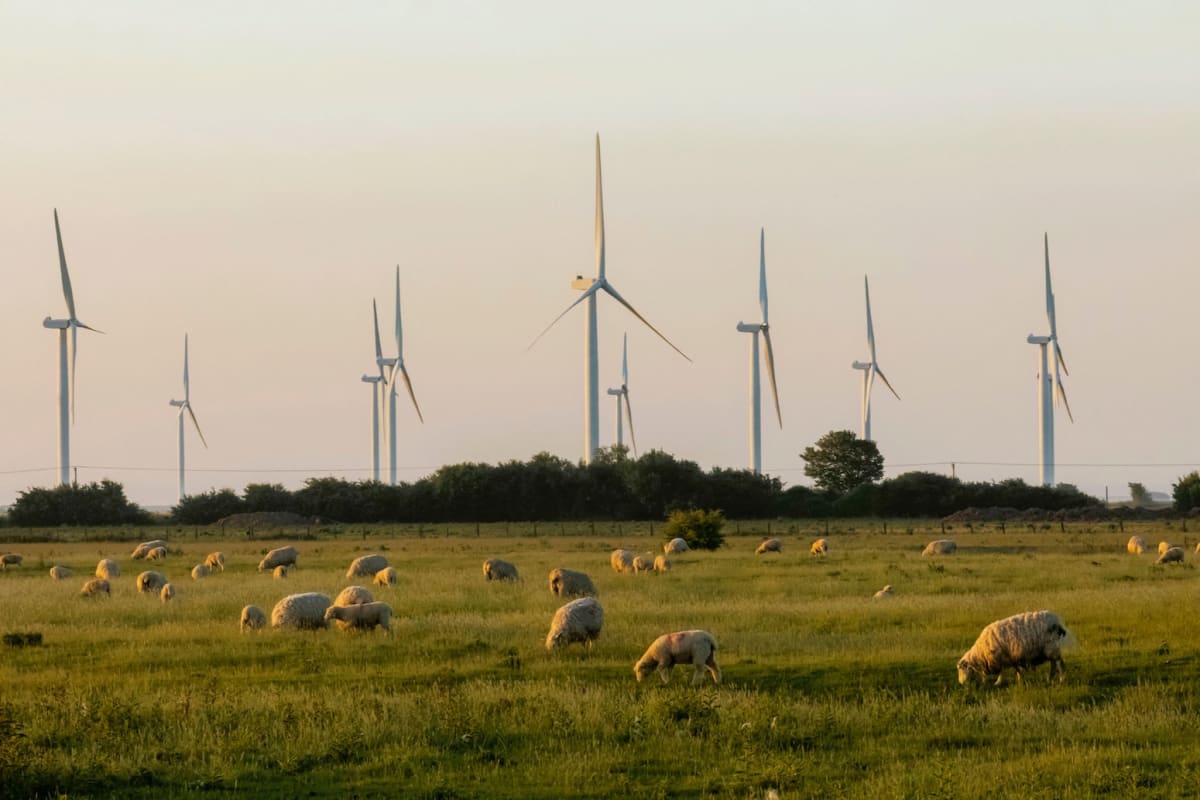
Here's the surprising part: meeting the UK's climate targets by 2050 requires renewable energy on just 1% of England's land. That tiny footprint leaves plenty of room for everything else the country needs.
The framework addresses a problem that has frustrated communities and policymakers alike. Different groups have been fighting over the same land, with farmers worried about losing fields to solar panels and developers clashing with conservationists.
Tony Juniper, chair of Natural England, called the framework a "vital step forward" toward more joined-up thinking. Environmental groups have broadly welcomed the plan as a way to stop treating land use like a zero-sum game.
The 56-page blueprint focuses on England specifically, though officials plan to share strategies with Scotland, Wales, and Northern Ireland. It aims to inform smarter decisions that let land deliver multiple benefits at once.
Reynolds explains that smart planning can make land work harder. Trees planted in the right spots reduce flood risks while helping farms and homes. Renewable energy projects can coexist with agriculture and nature restoration.
The framework represents a shift from fragmented decision-making that created confusion and wasted opportunities. Instead of each sector competing for territory, the plan shows how careful coordination unlocks solutions.
The Ripple Effect
This framework could change how countries think about their climate commitments. By mapping out exactly how much land different goals actually need, England has created a model other nations can follow.
The plan demonstrates that climate action doesn't require massive sacrifices. When governments take time to map resources carefully, they often find more room than expected for competing priorities to coexist.
Local communities stand to benefit most from this coordinated approach. Farmers gain clarity about where renewables make sense, while developers and conservationists can plan without constant conflict.
The framework also gives citizens confidence that their country can move forward on multiple fronts. Climate goals, food security, housing needs, and nature protection can all advance together when planning is done right.
England's land now has a roadmap that makes space for progress on every front that matters.
Based on reporting by Carbon Brief
This story was written by BrightWire based on verified news reports.
Spread the positivity!
Share this good news with someone who needs it