England Pledges £90M to Save Birds, Beavers, and Beetles
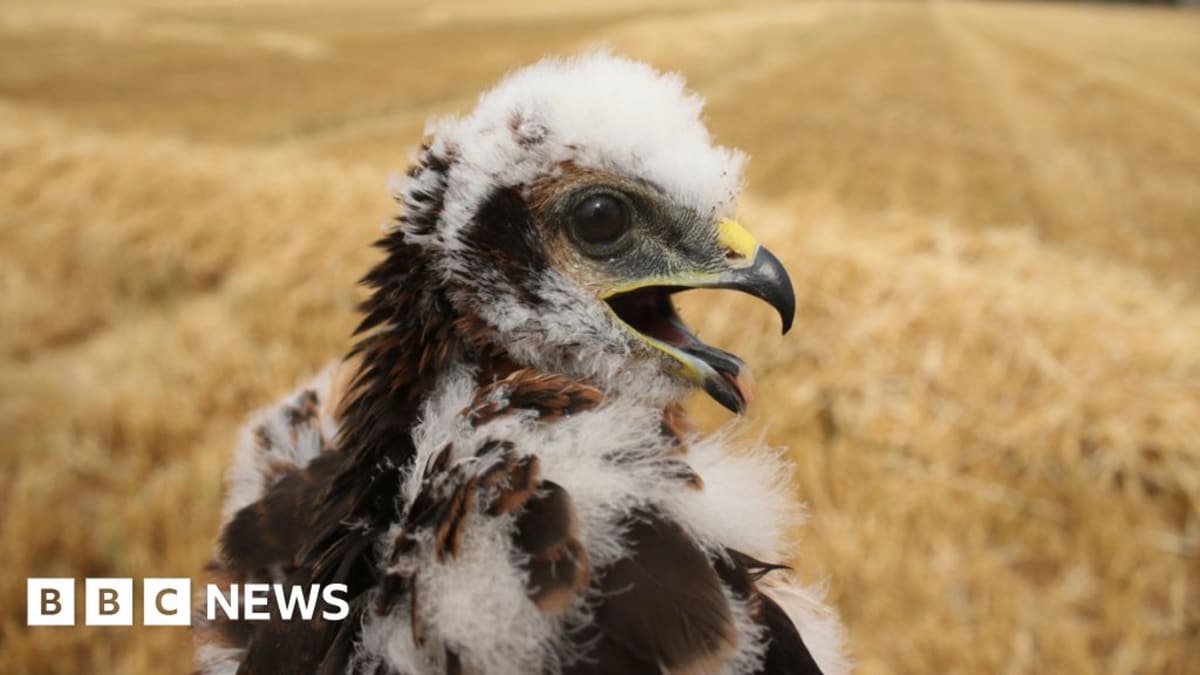
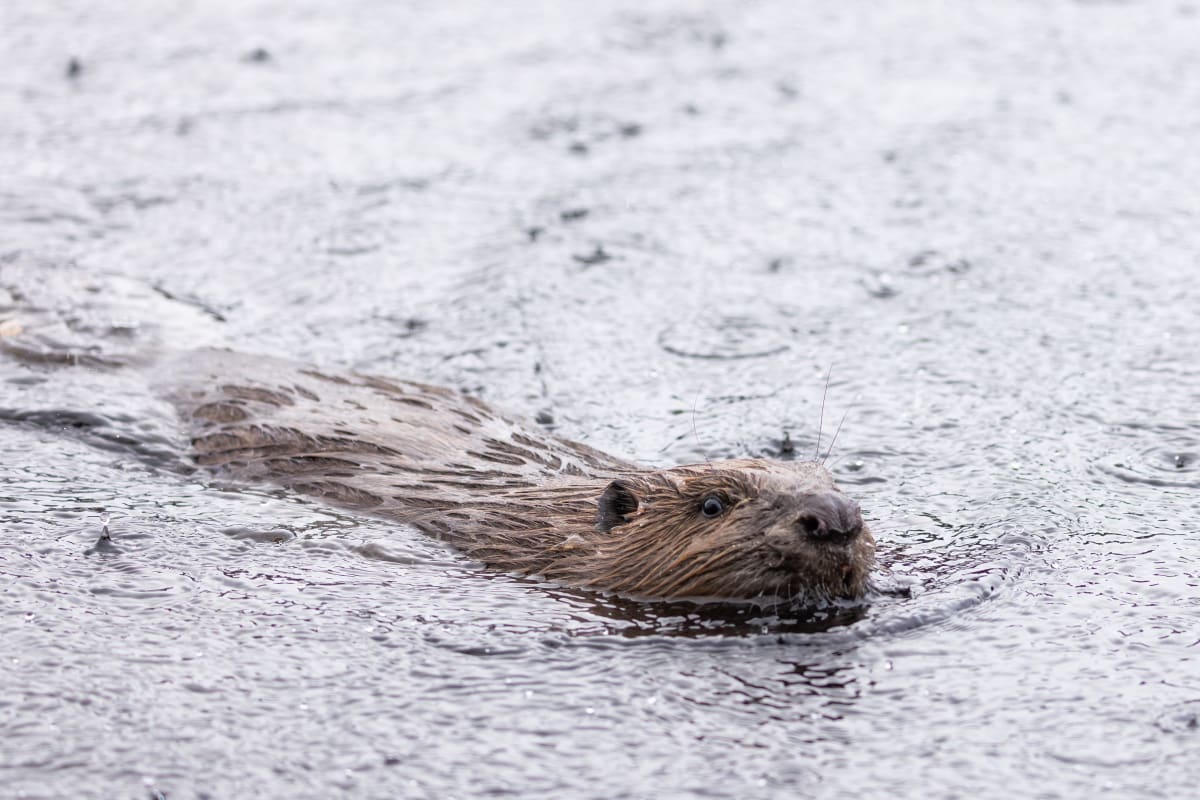
England just committed £90 million to protect hundreds of threatened species from extinction in its largest-ever wildlife investment. The funding will help bring back birds, beavers, beetles, and other at-risk animals across the country.
England is making its biggest bet yet on saving wildlife, pledging £90 million to protect hundreds of species teetering on the edge of extinction.
The historic investment will fund conservation projects across the country over the next three years, supporting everything from habitat restoration to breeding programs for threatened birds, beavers, beetles, snails, spiders, and seahorses. It's more than double the previous funding round, which helped over 600 species between 2023 and 2026.
The timing couldn't be more critical. The UK ranks among the world's most nature-depleted countries, with wildlife populations dropping by a third since 1970. One in six species now faces extinction risk.
Natural England will distribute £60 million to local conservation projects starting in May, while another £30 million will support species recovery in England's national forests. Environment Secretary Emma Reynolds calls it "a decisive step towards reversing the decline of nature and protecting it for generations to come."
The funding targets a crucial goal: protecting 30% of England's land and sea for nature by 2030, a legally binding target the country is currently missing. Additional goals include halting species decline by 2030 and reducing extinction risk by 2042.
The Ripple Effect
The impact of past investments shows what's possible when conservation gets serious support. Red-billed choughs hatched in the wild in Kent for the first time in over 200 years. Black grouse returned to the North Yorkshire Moors after disappearing decades ago. The large marsh grasshopper reappeared in Norfolk Broads after an 85-year absence.
Natural England's species recovery program has already protected more than 1,000 species and prevented at least 35 from going extinct nationally. Success stories include red kites soaring again, lady's slipper orchids blooming, pool frogs croaking, and large blue butterflies taking flight.
Tony Juniper, chair of Natural England, emphasizes the reversibility of species decline. "Through the proven winning mix of good science and effective partnerships, we know that many species can be restored to favourable status," he said.
The new funding will expand this work to even more species struggling to survive in England's ancient woodlands, chalk streams, and other fragile ecosystems. Projects will combine captive breeding, habitat restoration, and strategic reintroductions to rebuild wildlife populations.
When species bounce back, entire ecosystems follow, creating healthier landscapes for both wildlife and people.
More Images
Based on reporting by Independent UK - Good News
This story was written by BrightWire based on verified news reports.
Spread the positivity!
Share this good news with someone who needs it