England Women Hit 500 Games After 50-Year FA Ban
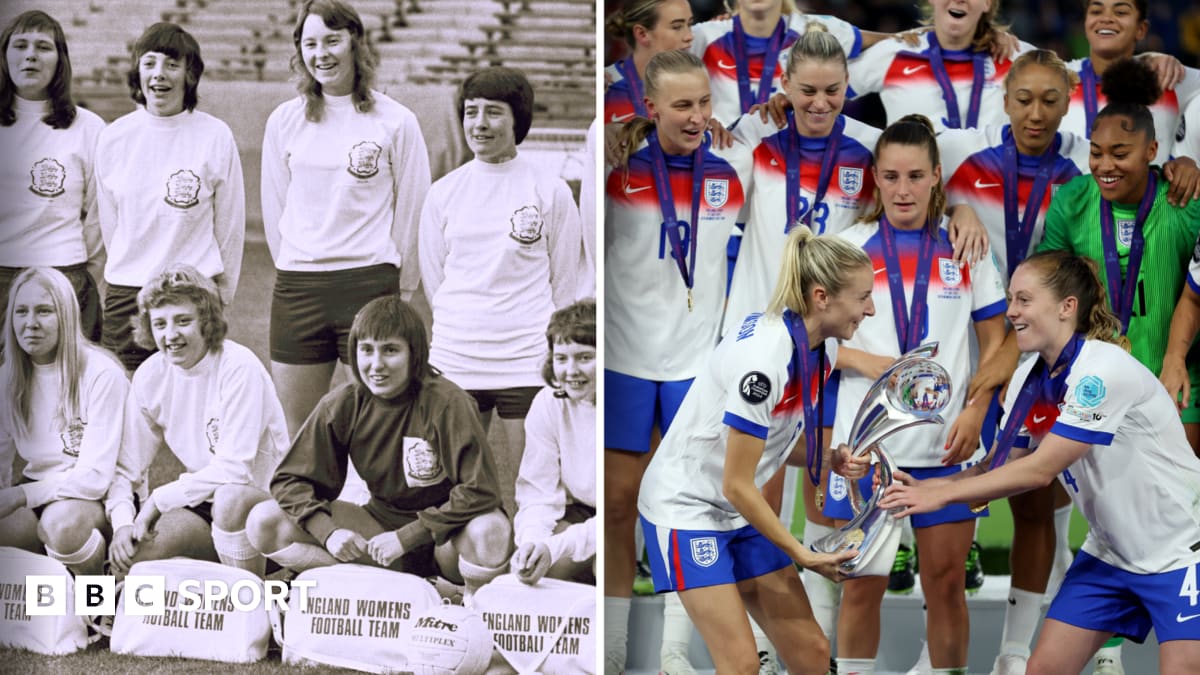
Fifty-three years after the Football Association banned women's football as "unsuitable for females," England's Lionesses will play their 500th international match this Saturday. The milestone celebrates decades of progress from park pitches to European championship glory.
When England's women's team steps onto the pitch in Iceland on Saturday, they'll be playing their 500th international match, a milestone that seemed impossible just decades ago.
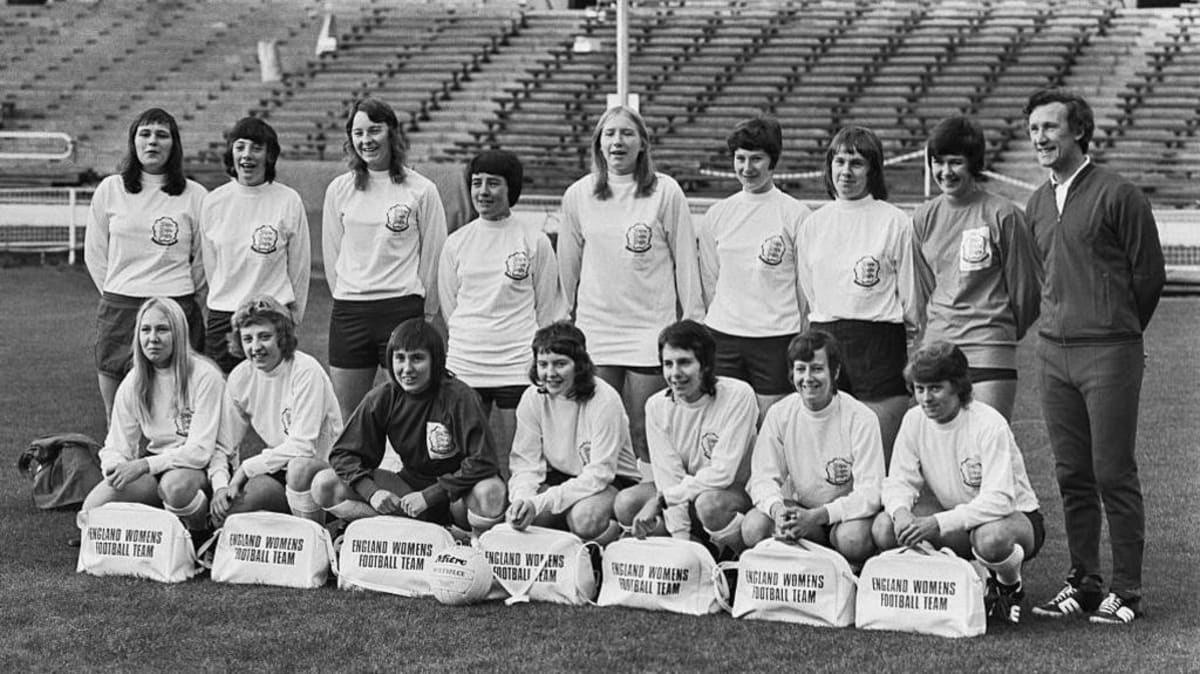
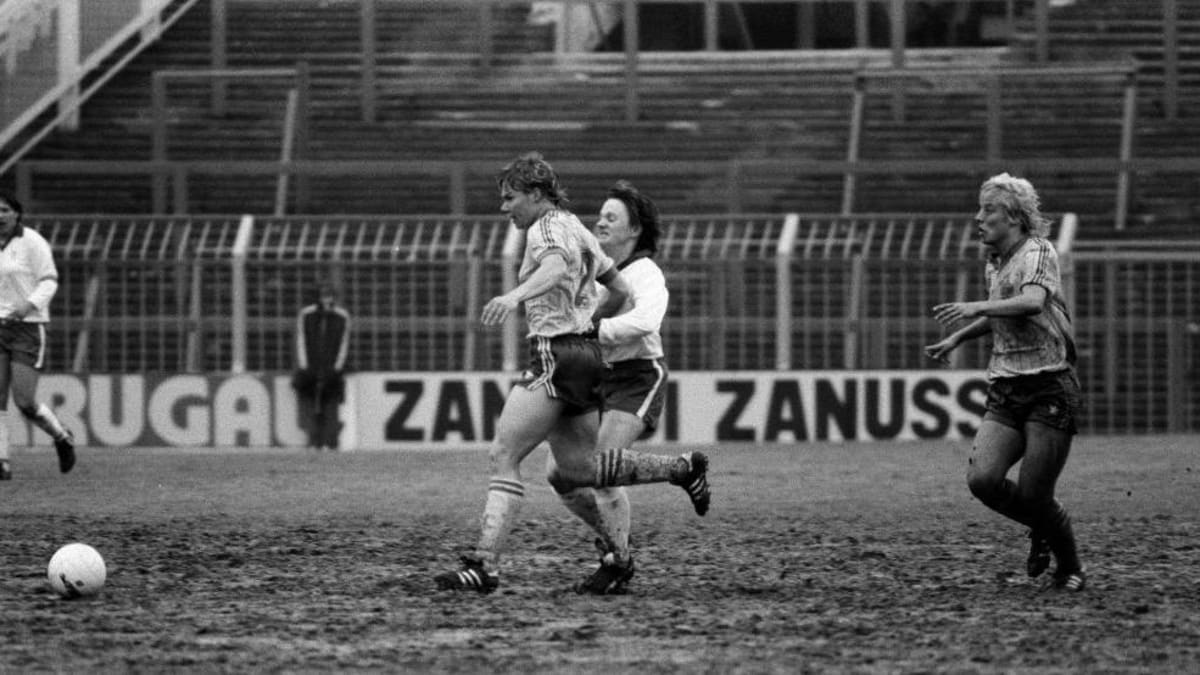
In 1921, the Football Association banned women from playing football, declaring the sport "most unsuitable for females." That decision forced women's teams onto park pitches and small venues for 50 years until the ban was lifted in 1971.
The journey from that dark chapter to today's triumph is remarkable. England's first official match came in November 1972, when they traveled to Scotland and won 3-2 in front of just 400 fans. A year earlier, an unofficial England side had played before 90,000 spectators in Mexico City, proving the appetite for women's football existed long before officials recognized it.
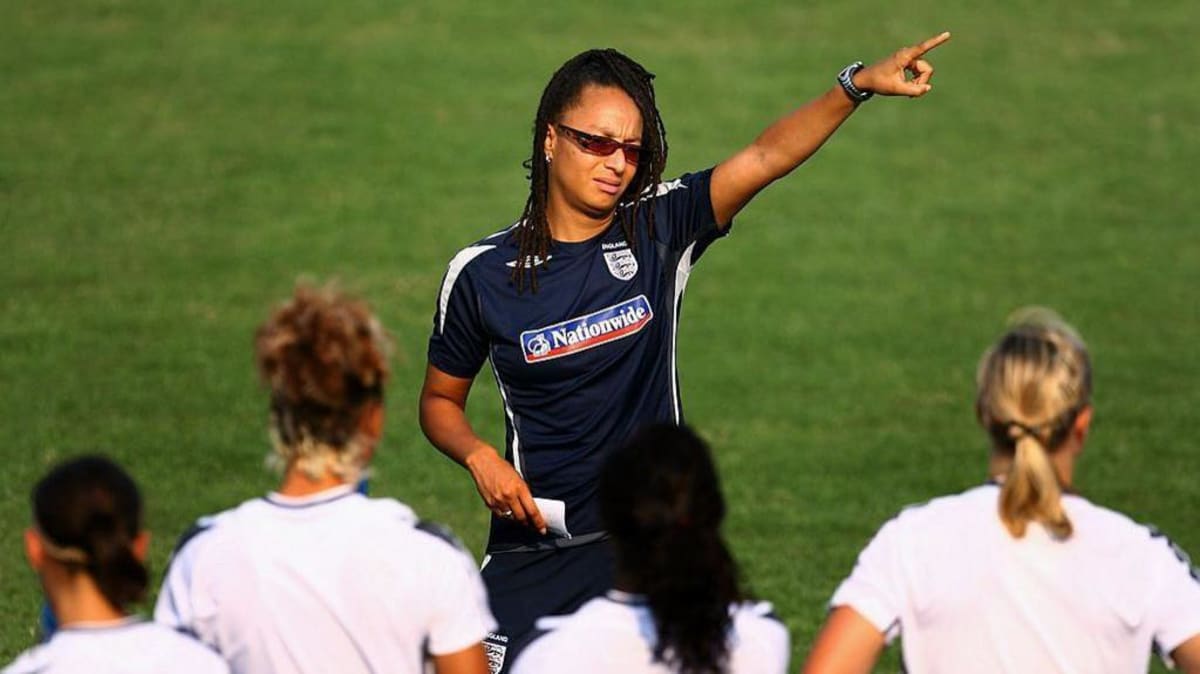
The turning point came in 1993 when the FA finally took control of women's football operations. Five years later, Hope Powell became the first full-time England women's coach, transforming both the team and the broader game. By 2009, central contracts allowed players to train full-time without juggling second jobs.
Those investments paid off. In 2005, England hosted the European Championship and drew nearly 30,000 fans to the opening match. The BBC broadcast peaked at three million viewers for the Sweden game, showing the nation's growing interest.
The medals followed. England reached their first World Cup podium in 2015 with a third-place finish. In 2022, they won their first major trophy by claiming the European Championship on home soil. Last year, they defended that title in Switzerland, becoming the first nation ever to win back-to-back Women's Euros.
The Ripple Effect
Today's Lionesses play in sold-out stadiums and inspire millions of young girls across England. The Women's Super League attracts top international talent, and grassroots participation continues to surge. What started with 400 fans watching in Greenock has grown into a movement that's reshaping English football.
Saturday's match matters for World Cup qualification, but it means so much more. Every England player who steps onto that pitch in Reykjavik carries forward a legacy built by generations who fought simply for the right to play. From banned to celebrated in 500 games, the Lionesses prove that progress, while sometimes slow, is unstoppable.
More Images
Based on reporting by BBC Sport
This story was written by BrightWire based on verified news reports.
Spread the positivity!
Share this good news with someone who needs it