England's Nightjars Double in 5 Years After Habitat Revival
One of England's most elusive birds just staged a remarkable comeback, with nightjar populations in South Downs National Park doubling over five years. Conservation efforts focused on protecting nesting sites are bringing these twilight singers back from the brink.
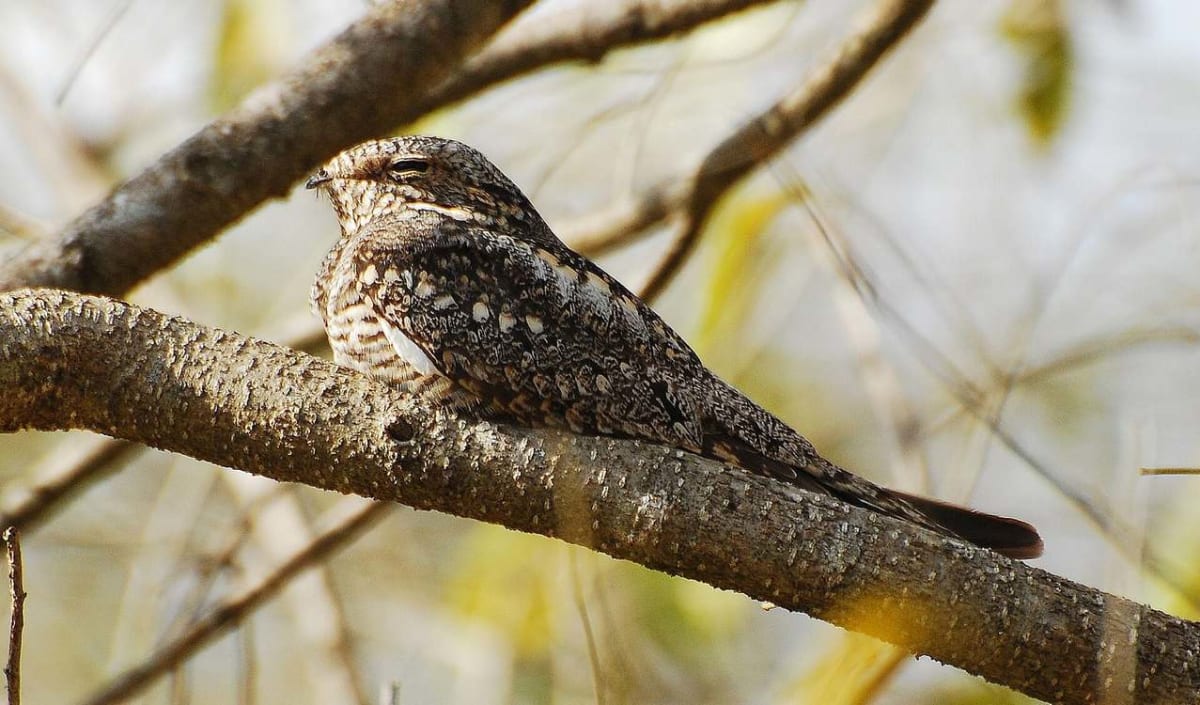
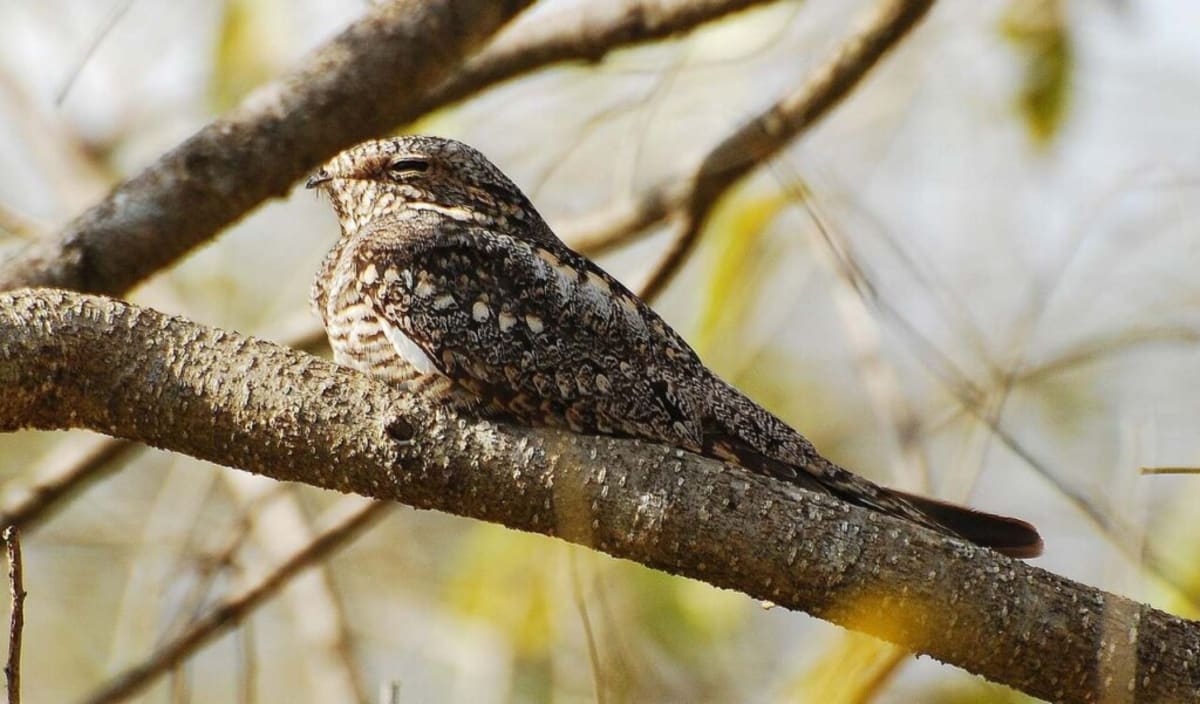
The nightjar, a master of camouflage that comes alive at twilight with its distinctive churring call, has doubled its population in England's South Downs National Park over the past five years.
A 2024 survey counted more than 70 nightjars in the park, a stunning recovery for a species that lost 51% of its population between the 1970s and 2000s. Forest loss had pushed these ground-nesting birds to the edge, making suitable habitat "as rare as rainforest" in Britain, according to park ranger Kirsty Murray.
The comeback story centers on the lowland heath and forests stretching across Hampshire, West Sussex, and East Sussex. These twilight hunters migrate 4,000 miles north from the Democratic Republic of the Congo each year to nest in Britain between April and August.
Conservation teams focused on creating and protecting the specific conditions nightjars need to thrive. Restoration efforts have raised the number of quality nesting habitats to 109 across Britain, giving these birds room to raise their young safely.
Because nightjars nest directly on the ground, their success depends heavily on visitor cooperation. Park rangers have worked closely with local communities to keep dogs leashed, encourage hikers to stay on marked trails, and prevent bushwhacking that could disturb sensitive nesting areas.
The Ripple Effect
The nightjar recovery demonstrates how targeted conservation work creates wins for entire ecosystems. When communities protect ground-nesting birds, they also preserve the heath and forest habitats that countless other species call home.
The collaborative approach has transformed South Downs into a model for bird conservation. Rangers, local residents, and visitors have united around a shared goal of protecting these remarkable migrants.
"It's wonderful to hear the nightjars churring away as dusk falls," Murray told the BBC, expressing her excitement about continuing this conservation work with partners and communities.
The nightjar proves that even the most elusive species can bounce back when people come together to protect what matters.
More Images
Based on reporting by Good News Network
This story was written by BrightWire based on verified news reports.
Spread the positivity!
Share this good news with someone who needs it