England's Red Squirrels Could Return in 25 Years
England has a roadmap to bring beloved red squirrels back from the brink of extinction after losing 95% of their range. Without action, they'll vanish from mainland England within a generation, but new science offers hope.
England's iconic red squirrels are staging what could be the comeback of the century, thanks to a groundbreaking recovery plan that maps exactly how to save them.
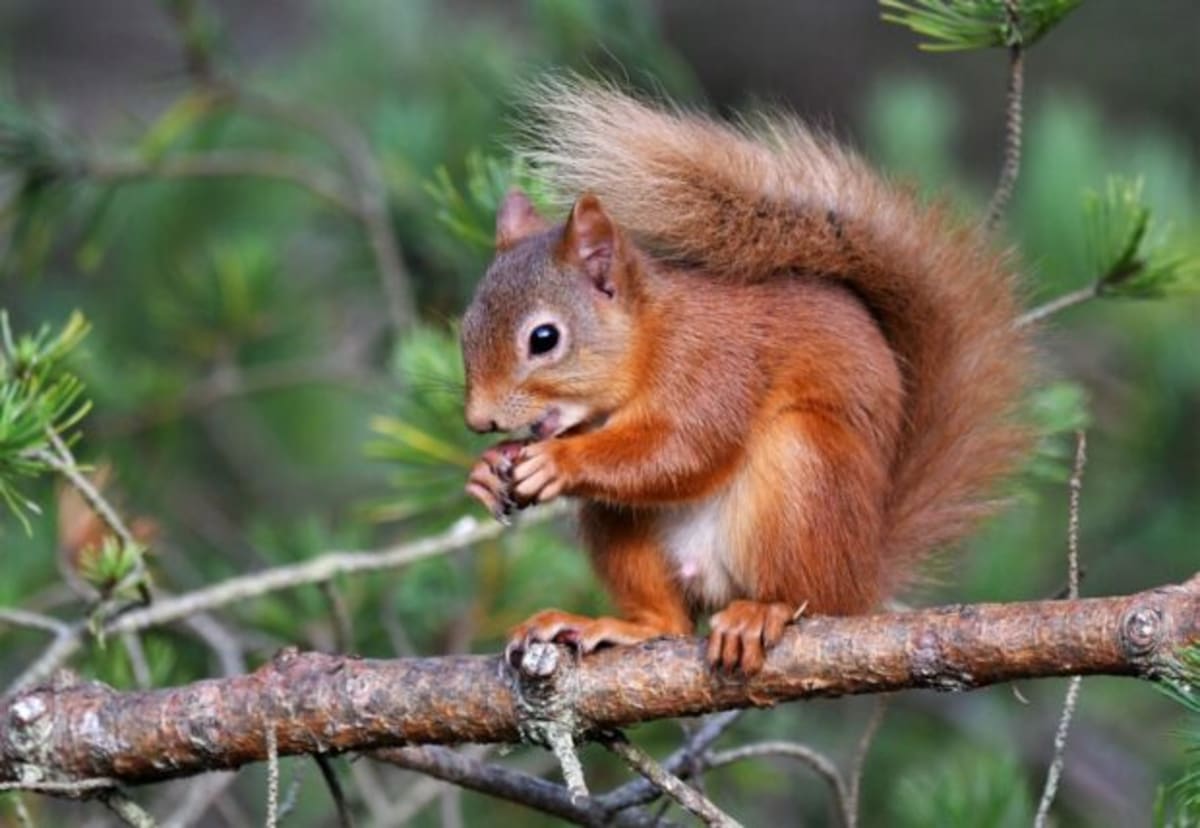
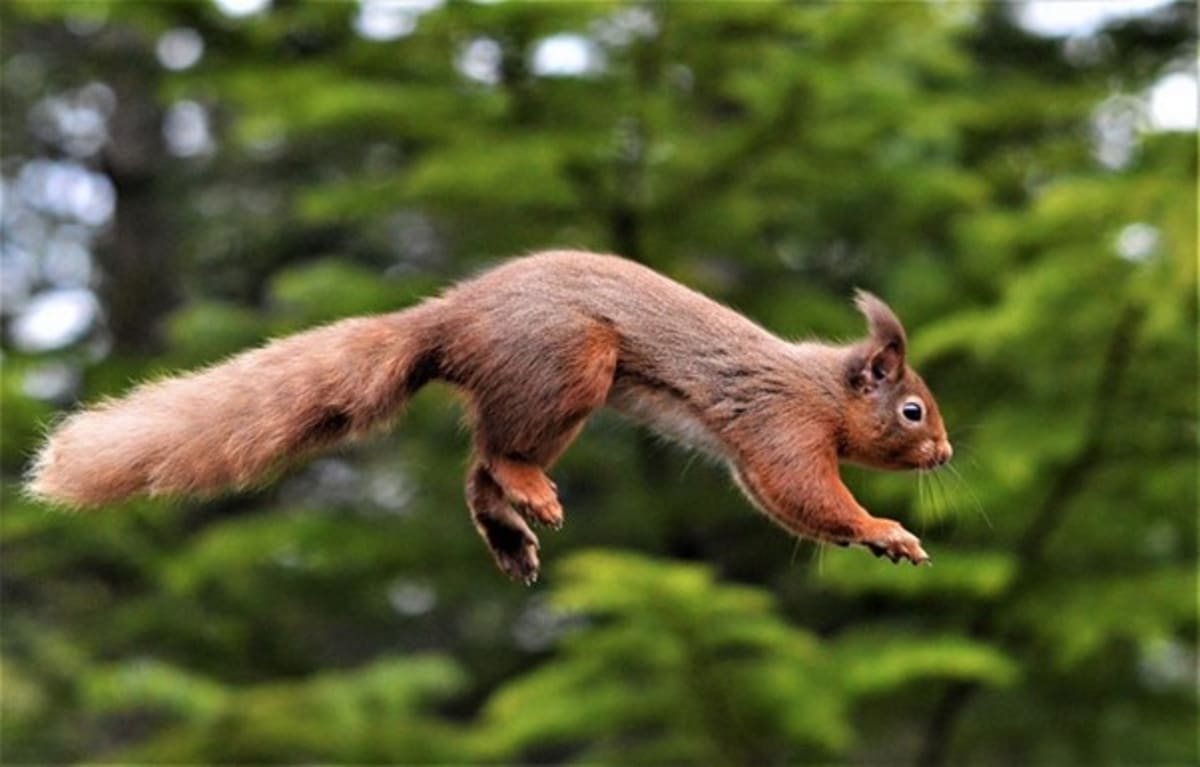
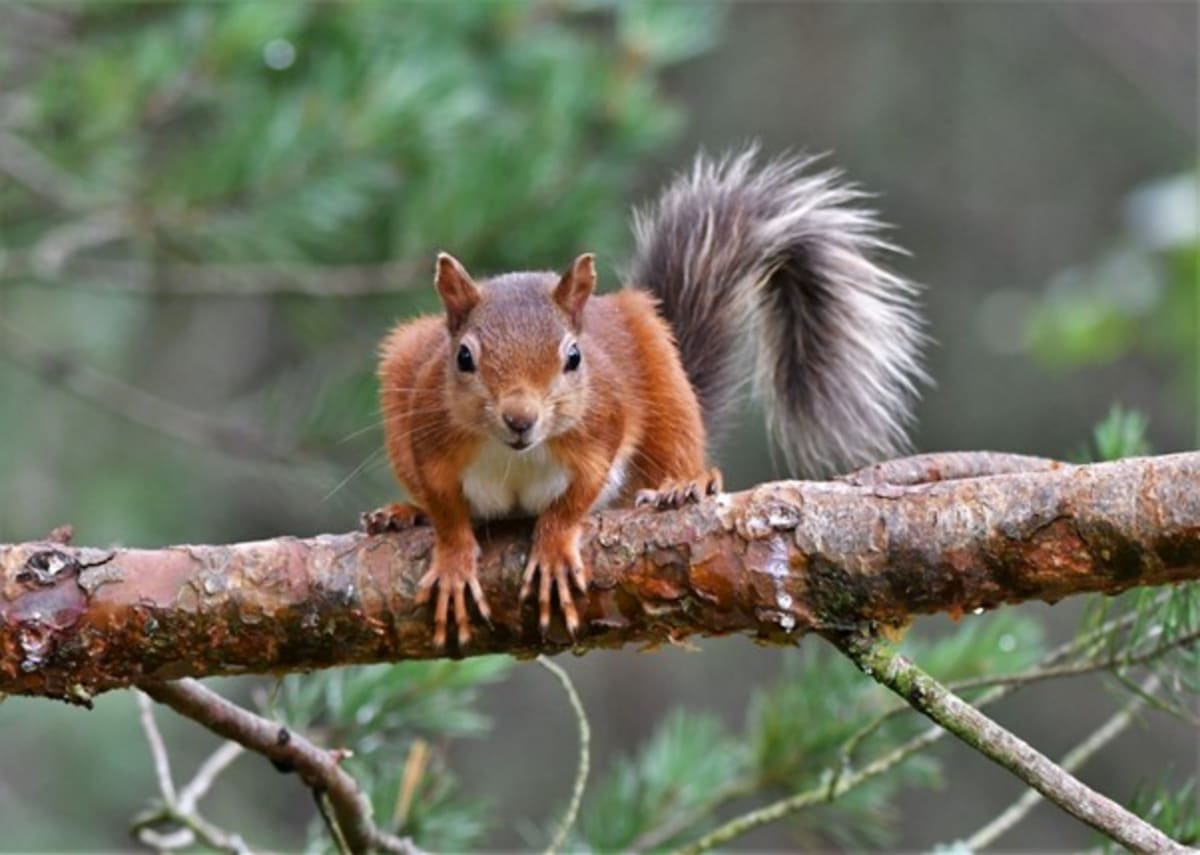
The fluffy-tailed creatures have disappeared from 95% of their historic homes across England. Today, just 38,900 red squirrels cling to survival in northern England and a few islands like the Isle of Wight. They're officially endangered, pushed to the edge by an invader from across the Atlantic.
Grey squirrels, introduced from North America starting in 1876, became an unstoppable force. They outcompete red squirrels for food and habitat, but their deadliest weapon is invisible: squirrelpox virus. The disease kills red squirrels but leaves greys unharmed, creating a biological avalanche that swept reds from most of England.
The Zoological Society of London just completed a landmark study for Natural England, bringing together over 60 experts to answer one question: Can we bring them back? They tested 18 different recovery approaches, from small local efforts to nationwide coordination. The results are both sobering and exciting.
Without serious intervention, red squirrels will disappear from mainland England entirely within 25 years. That's the heartbreaking truth. But the study found multiple pathways that work, each with different trade-offs between cost, scale, and animal welfare.
The most ambitious option involves coordinated grey squirrel management across all of England. This approach offers the best chance for widespread recovery while also preventing the £37 million in annual damage grey squirrels cause to woodlands and crops. But it's expensive and raises welfare concerns about managing such large populations.
The Bright Side
Regional strategies combining targeted grey squirrel control with red squirrel translocations can achieve nearly the same long-term success at lower cost. Even better, emerging tools like fertility control for greys and a potential squirrelpox vaccine could make recovery more humane and sustainable. These targeted approaches might prove more feasible where budgets are tight or public support needs building, offering hope that communities can take meaningful action right now.
England's red squirrels aren't just adorable woodland residents. They're a test of whether we can reverse the ecological losses of the past century. This strategy proves it's possible with science, coordination, and commitment.
The choice is clear: act now with purpose, or watch them vanish forever within our children's lifetimes.
More Images
Based on reporting by Google News - Endangered Species Recovery
This story was written by BrightWire based on verified news reports.
Spread the positivity!
Share this good news with someone who needs it