England's Water System Gets Biggest Overhaul in 35 Years
England and Wales are rolling out the most comprehensive water industry reforms since privatization, introducing surprise inspections and mandatory efficiency standards to tackle pollution and service failures. After years of sewage spills and supply disruptions, new rules will hold water companies accountable with hands-on oversight teams and a powerful consumer ombudsman.
After decades of declining river quality and mounting customer complaints, England and Wales are transforming how their water systems operate with the biggest industry reforms since the 1980s.
The government announced sweeping changes that include unannounced inspections, regular performance checks, and dedicated oversight teams for each water company. Environment Secretary Emma Reynolds made clear the era of self-regulation is over, saying companies will have "nowhere to hide" when they fail to deliver.
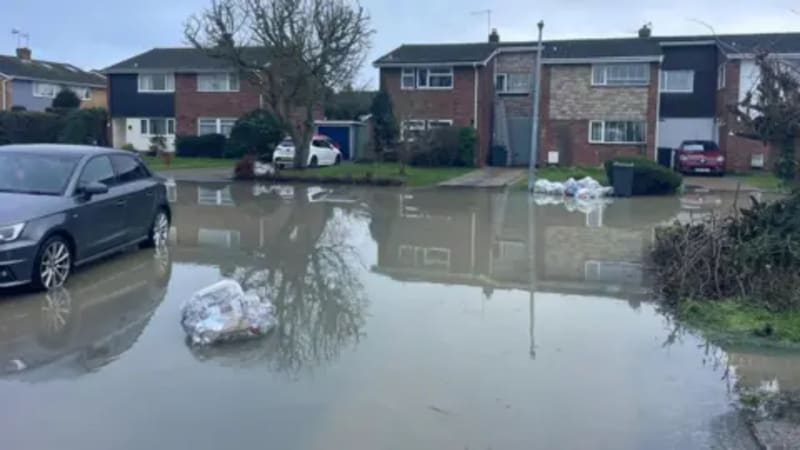
The reforms tackle problems that have frustrated millions. In 2024 alone, raw sewage flowed into rivers and seas for a record 3.61 million hours. Tens of thousands of South East Water customers lost service for days around Christmas, highlighting how aging infrastructure has struggled to keep pace with modern demands.
Under the new system, every household will eventually have access to smart meters to track water usage and costs. Dishwashers, washing machines, and other appliances will carry mandatory efficiency labels, helping families make informed choices about conservation.
A new regulator will replace Ofwat within the next year, bringing a chief engineer position to ensure technical expertise guides decisions. Instead of desk-based oversight, company-specific teams will monitor individual firms and their unique challenges.
The changes also strengthen consumer protection. Mike Keil from the Consumer Council for Water noted his organization has seen a 50 percent jump in complaint requests, making a powerful new ombudsman service essential for giving customers "robust protection" when things go wrong.
The Ripple Effect
These reforms stem from Sir John Cunliffe's comprehensive review, which delivered 88 recommendations to rebuild public trust. While some campaigners argue the measures don't go far enough without addressing the privatized model itself, the package represents the most aggressive government intervention in water management in a generation.
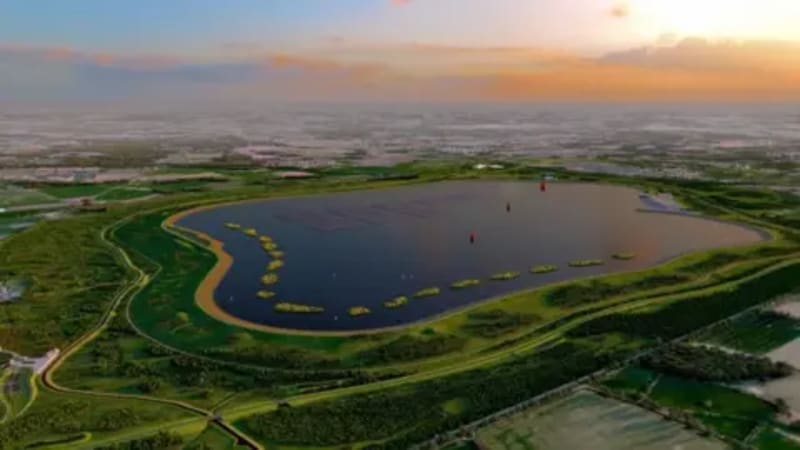
The timing matters. Water bills rose 26 percent last April to fund £104 billion in infrastructure investments over five years. More than 40 percent of that money will build new systems to replace failing pipes and treatment facilities.
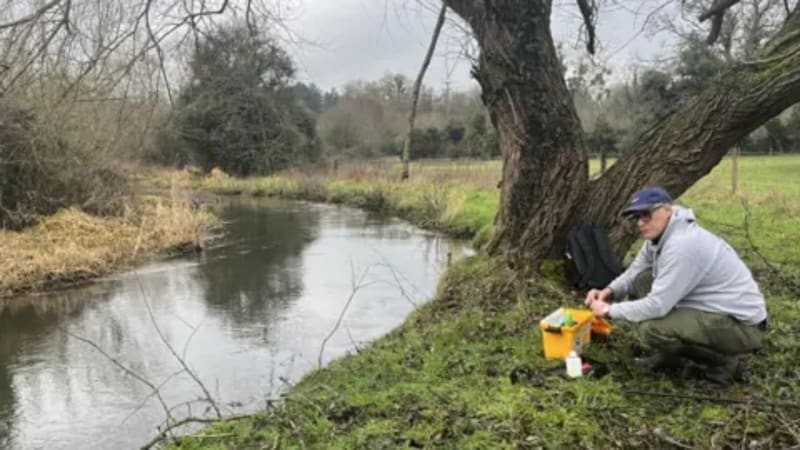
On the banks of the River Pang in Berkshire, once pristine enough to inspire Wind in the Willows, Pete Devery from the Angling Trust summed up what success looks like: "The proof will be in the river. Do the rivers across the country improve? That's the end result."
With mandatory labels, surprise inspections, and dedicated oversight teams, England and Wales are betting that stronger accountability today means cleaner rivers and reliable service tomorrow.
More Images


Based on reporting by BBC Science
This story was written by BrightWire based on verified news reports.
Spread the positivity!
Share this good news with someone who needs it
%2Ffile%2Fattachments%2Forphans%2FIMG_20260823_131033_256493.jpg)