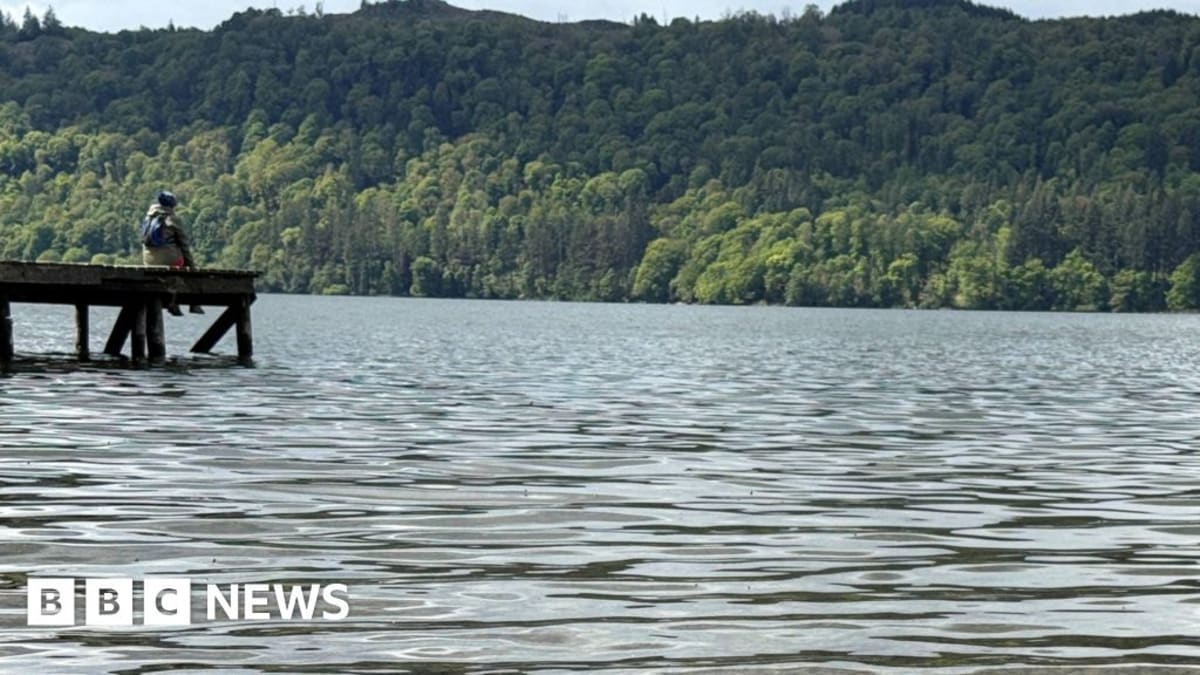
England's Windermere Lake Can Beat Climate Change Effects
Scientists found a way to completely cancel out climate change impacts on England's largest lake over the next 50 years. The solution could protect swimming spots and wildlife while offering hope for other threatened lakes worldwide.
New research shows that England's famous Windermere lake doesn't have to lose its battle with climate change. Scientists discovered that removing all wastewater entering the lake could fully reverse the warming effects expected over the next five decades.
The Environment Agency worked with the UK Centre for Ecology and Hydrology to map out Windermere's future. Their models predict the lake will warm by about 2.5°C by the late 2070s, which would normally fuel dangerous algae blooms that make water unsafe for swimming and harm fish and wildlife.
But here's where the good news gets better. The research tested what would happen if all sewage, including runoff from septic tanks, stopped flowing into the lake. The results were striking.
Under this scenario, blue-green algae levels would drop to zero days per year above World Health Organization safety limits. That's zero, even with the lake getting warmer from climate change.
Andy Brown, the Environment Agency's water regulation manager, said the computer models show "how the lake could be protected for future generations." The research gives officials and partners a scientific roadmap for targeting investments where they'll make the biggest difference.
The study also tested two other approaches. One focused on helping farmers reduce nutrient runoff from their land. The other looked at improving wastewater treatment facilities.
All three methods reduced the number of dangerous algae days, even when factoring in future climate pressures. That gives communities multiple tools to work with based on what's practical and affordable.
The Ripple Effect
This breakthrough matters beyond just one English lake. The research method itself breaks new ground by combining two computer models that don't normally work together.
Brown compared it to "getting a cable that enables an iPhone to talk to an Android phone." This new approach means scientists can now study how climate change and pollution interact in other lakes around the world.
The timing couldn't be better. Windermere has made headlines recently as its water turned green from algae blooms during summer months. Concerns about sewage discharges have sparked community action and calls for stronger protections.
The research makes one thing clear though. There's no one-size-fits-all solution. Nearby Esthwaite Water, a smaller lake that drains into Windermere, "remained a concern under every future scenario" the team tested.
Each lake responds differently to pollution and climate change based on its size, depth, and history. Understanding each waterbody on its own terms is essential for effective protection.
Meanwhile, the Environment Agency has ramped up inspections and enforcement actions against utility companies in the area. They're combining this new science with practical enforcement to tackle pollution at its source.
The message is clear: we're not helpless against climate change when we combine smart science, targeted action, and community commitment to protecting the places we love.
More Images


Based on reporting by BBC Science
This story was written by BrightWire based on verified news reports.
Spread the positivity!
Share this good news with someone who needs it