English Coach Led Sweden to 1958 World Cup Final
George Raynor couldn't get hired in England, so he moved to Sweden and made history. He became the first English manager to reach a World Cup final, winning Olympic gold along the way.
When every English football club rejected George Raynor in 1946, he took a chance on Sweden and changed football history forever.
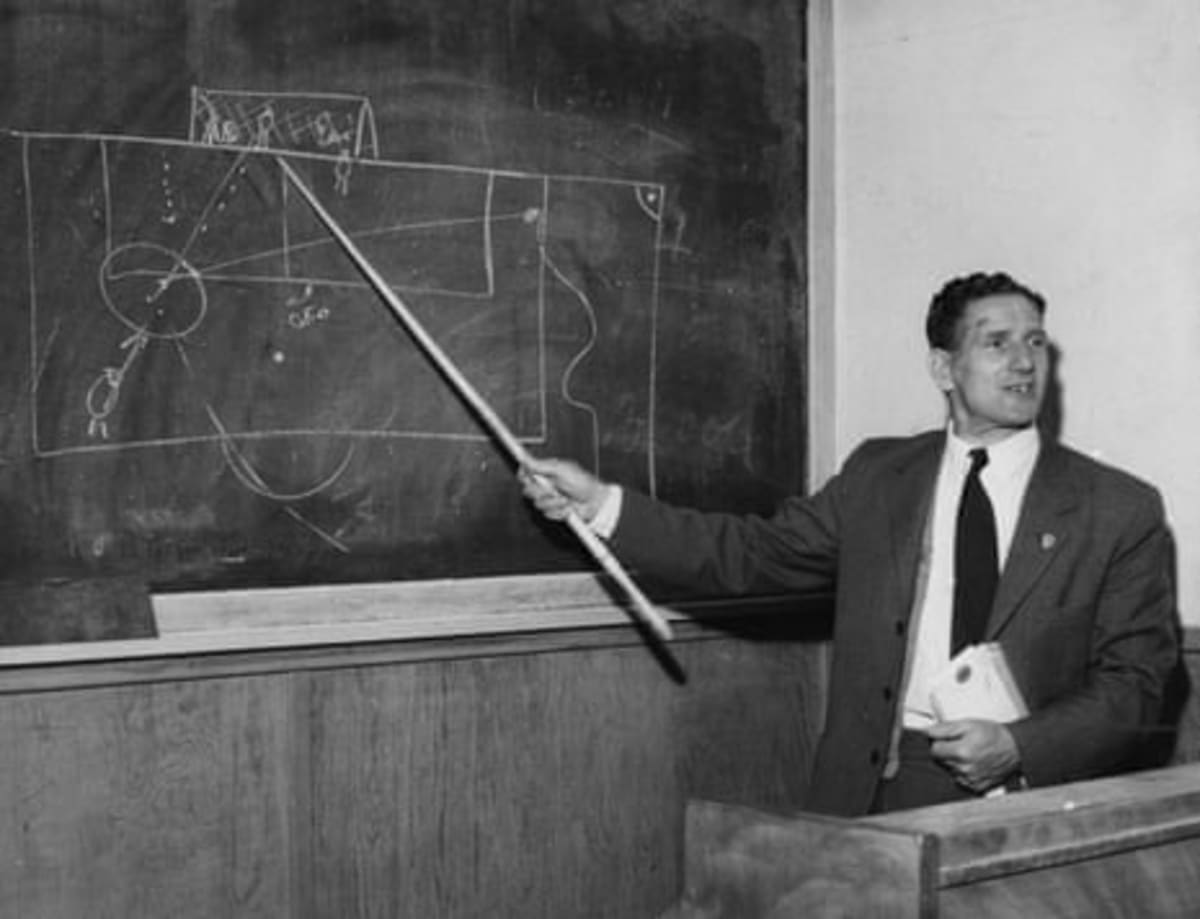
Raynor was bursting with coaching ideas but couldn't land a job in his homeland. His reputation as a lower-league player meant his applications went unanswered. Then Sweden called, and the 39-year-old seized his chance.
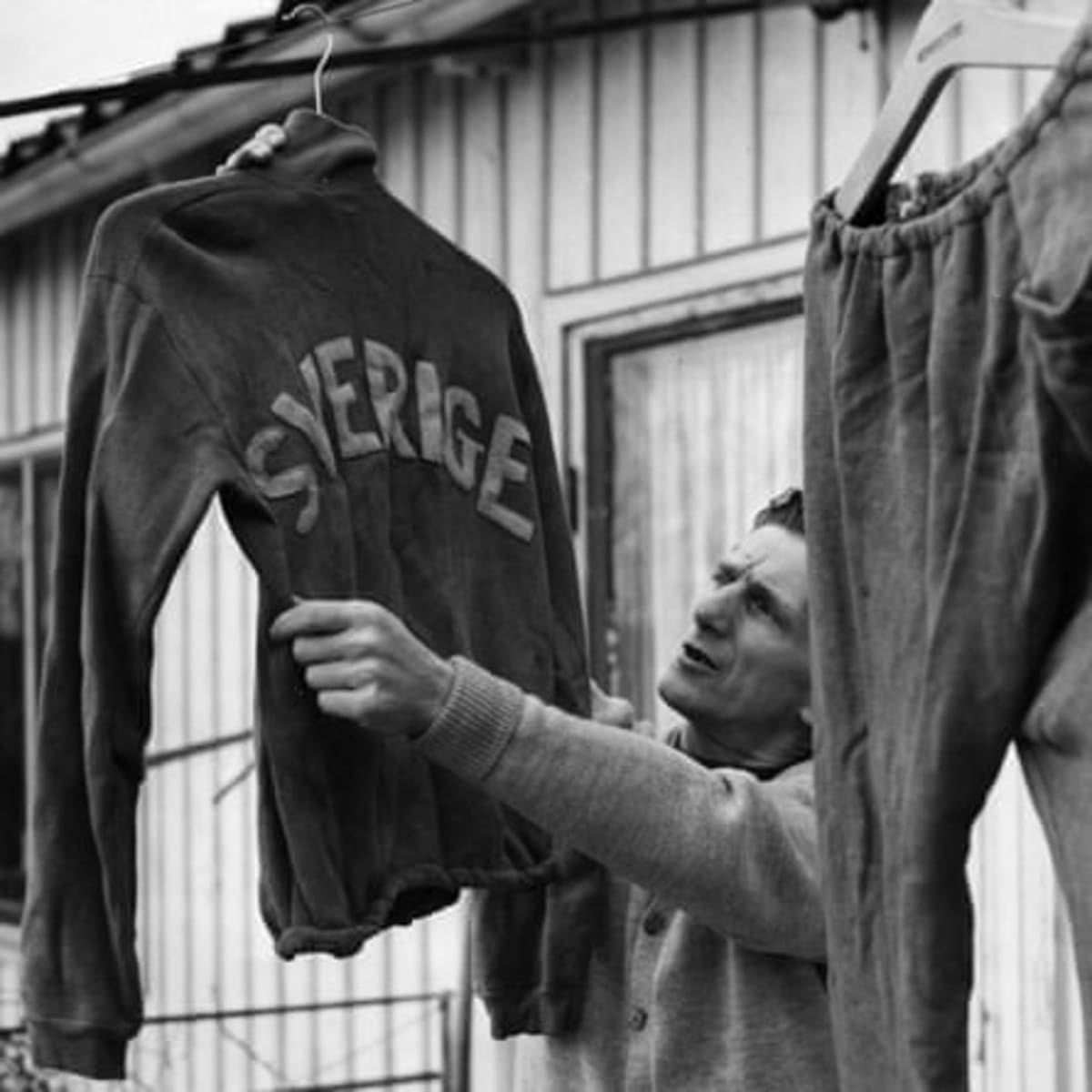
He arrived to find strict amateur rules and a selection committee that made final decisions on the team. But Raynor studied the game obsessively, learning from watching the best teams and developing his own tactical approaches. Within two years, he led Sweden to Olympic gold at the 1948 Games in London.
The victory came with a catch. Sweden's amateur rules meant any player turning professional abroad became ineligible for the national team. Raynor lost his three best attackers to Italian clubs but kept building.
At the 1950 World Cup in Brazil, his patched-together Swedish side finished third. Two years later at the Olympics, they only lost to Hungary's legendary team in the semifinals. Raynor watched that Hungarian side closely, analyzing their movements and creating tactics to match them.
He even met England's manager in a Vienna cafe to share his insights before England faced Hungary. The English team ignored his advice and lost 6-3 in their most humbling defeat ever.
Why This Inspires
Raynor's greatest moment came at the 1958 World Cup in Sweden. After returning to the job following brief stints in Italy and England, he led the hosts all the way to the final. Sweden beat defending champions West Germany, the Soviet Union, and Hungary to reach the championship match.
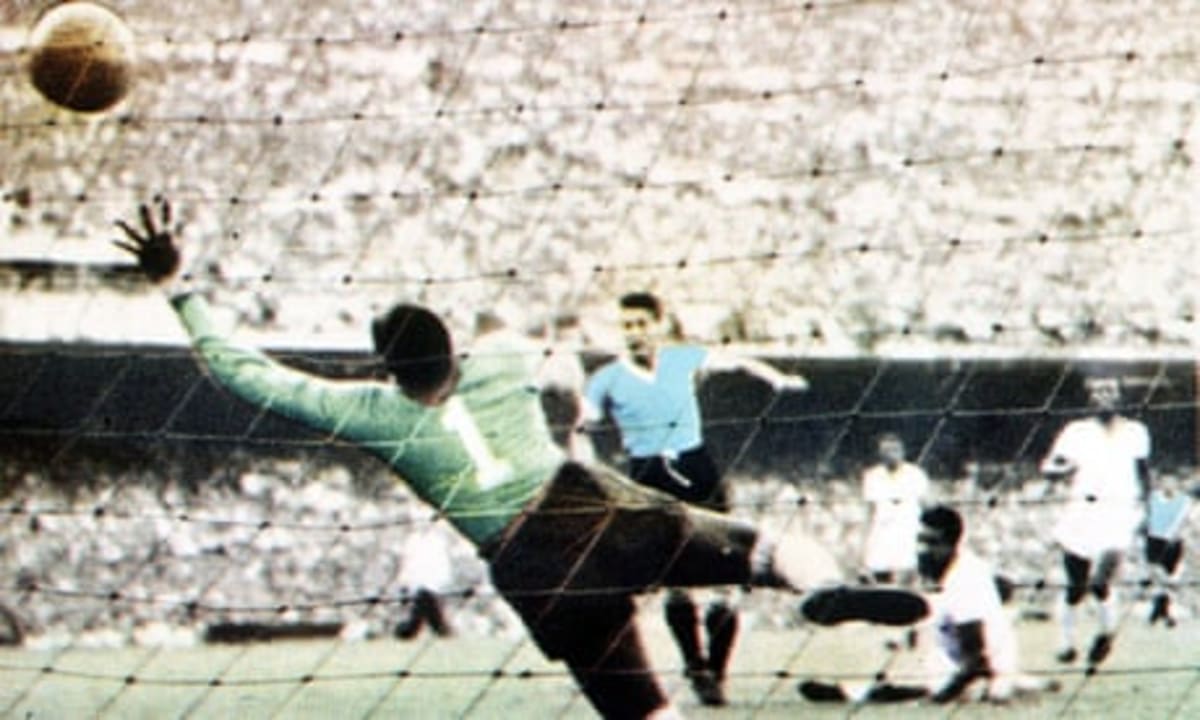
They faced Brazil and a 17-year-old named Pelé. Sweden took an early lead, but Brazil's brilliance shone through in a 5-2 victory. Still, Raynor became the first English manager to reach a World Cup final.
Back home, English clubs still wouldn't hire him. His groundbreaking success abroad meant nothing in a country that only valued homegrown experience. Raynor eventually took lower-league jobs in England, never getting the recognition his achievements deserved.
His story shows that sometimes you have to leave home to prove what you're worth, even if the people who matter most never notice.
More Images

Based on reporting by Google: world cup victory
This story was written by BrightWire based on verified news reports.
Spread the positivity!
Share this good news with someone who needs it