Eritrea's Transport Network Grows 1,215% Since 1991
After decades of rebuilding, Eritrea has transformed its transportation and communication systems from near collapse to connecting every corner of the nation. Bus routes expanded from 26 to 342, while internet speeds jumped from 0.5 MB to 1.5 GB.
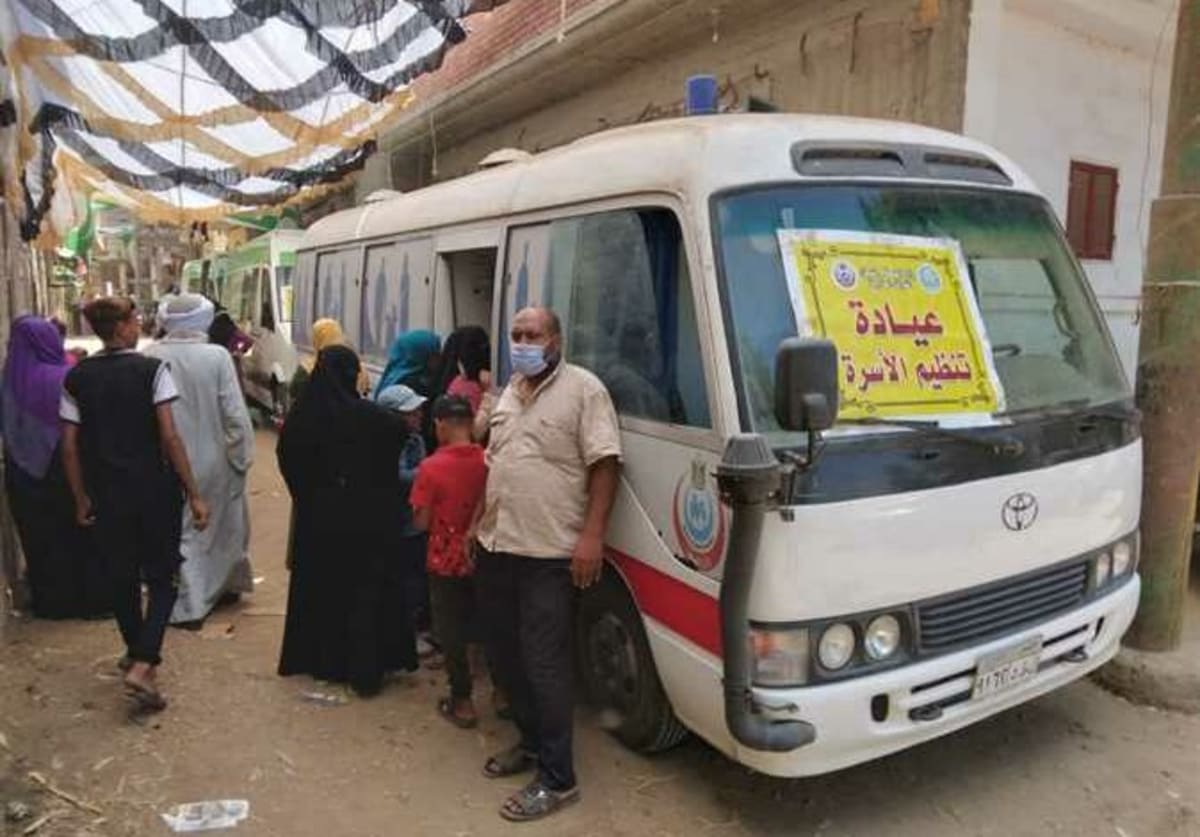
Thirty-five years ago, Eritrea inherited broken roads, silent phone lines, and communities cut off from each other. Today, those same communities are connected by 342 bus routes, reliable internet, and transportation networks that reach even the most remote villages.
The numbers tell a story of patient, steady progress. Transport routes multiplied by over twelve times since independence in 1991. Bus services grew by 613%, and daily passenger capacity increased by 857%, bringing formerly isolated rural areas into the national fold.
The government invested over 1 billion Nakfa in freight and logistics alone, building a fleet of 15,000 vehicles capable of moving 82,000 tons of dry cargo daily. Fuel trucks and transport vehicles now connect ports to markets, farms to cities, and businesses to customers across the country.
Communications saw equally dramatic transformation. In 1991, phone systems barely functioned and required emergency repairs just to make international calls possible. Over 35 years, the government invested 35 billion Nakfa to rebuild from scratch.
Internet service started in 2001 with just half a megabyte of bandwidth. Today, that number has grown three thousand times over to 1.5 gigabytes, with 4G service and WiFi reaching semi-urban centers and remote areas through 184 communication towers nationwide.
The expansion tackled a basic challenge: how do you build a country when people can't reach each other? Road construction crews worked their way into mountainous regions that had never seen regular bus service. Communication technicians installed towers in areas where phones were once luxuries.
The Ripple Effect
Better roads mean farmers can get crops to market before they spoil. Reliable phones mean families separated by mountains can stay in touch. Internet access means students in rural areas can access the same information as those in cities.
Transportation Minister Tesfaselassie Berhane credits strategic planning and consistent investment over decades. The ministry now coordinates land, air, and sea transport while implementing safety reforms like mandatory vehicle inspections and improved traffic management.
Challenges remain, particularly maintaining an aging vehicle fleet amid spare parts shortages. But the foundation is solid: a country once fractured by poor infrastructure now has the arteries it needs to move people, goods, and ideas from border to border.
From 26 routes to 342, from half a megabyte to gigabytes, Eritrea built the connections that turn distant communities into one nation.
More Images


Based on reporting by AllAfrica - Headlines
This story was written by BrightWire based on verified news reports.
Spread the positivity!
Share this good news with someone who needs it