Esther Duflo Wins Nobel Prize for Poverty Research at 46
A French-American economist just became the youngest person ever to win the Nobel Prize in Economics for proving that small, tested interventions can lift millions out of poverty. Her work transforms how the world fights poverty, one experiment at a time.
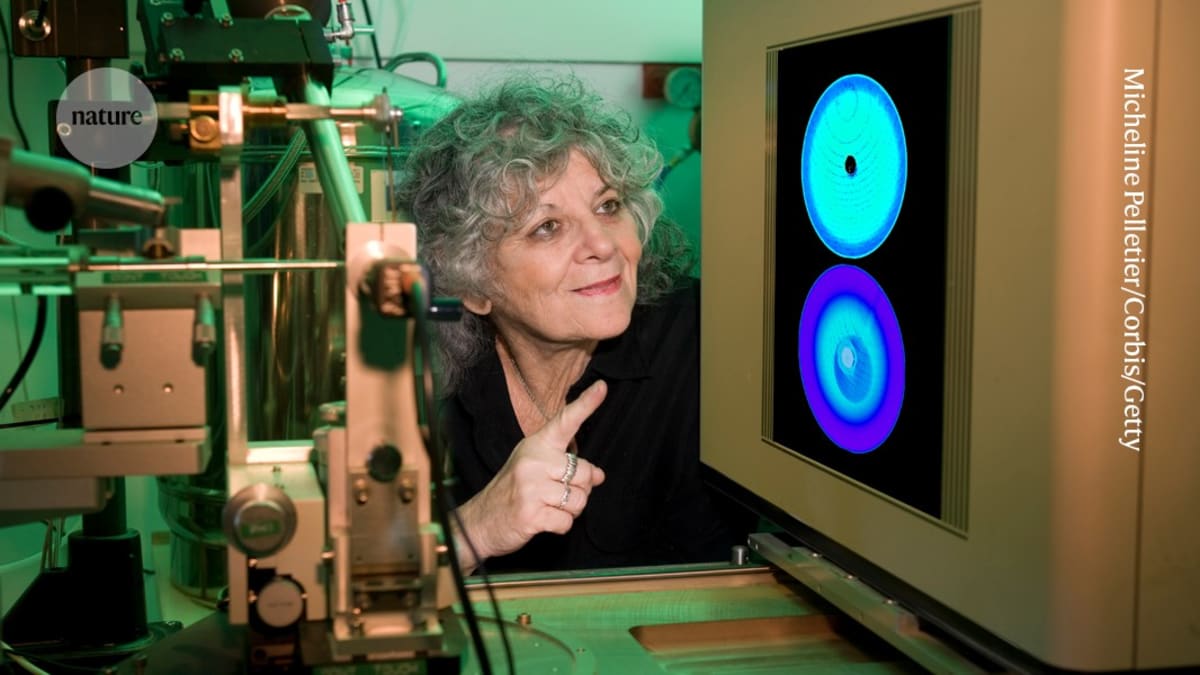
Esther Duflo proved that ending poverty isn't about grand theories but about finding out what actually works. At 46, she became the youngest Nobel Prize winner in Economics, sharing the 2019 award with her husband Abhijit Banerjee and colleague Michael Kremer for their groundbreaking approach to fighting global poverty.
Growing up in Paris with a mathematician father and pediatrician mother, Duflo spent her childhood haunted by news coverage of famines. She wondered why, in a world of plenty, millions still went hungry. That question drove her from history studies to economics, where she discovered her superpower: applying medical-style clinical trials to test poverty solutions.
Her big innovation sounds simple but changed everything. Instead of guessing whether programs help poor communities, Duflo and her team at MIT's Poverty Action Lab actually test them. They randomly assign some villages to receive an intervention and compare results with those that don't, just like testing a new medicine.
One early study examined school construction in Indonesia. The results proved that building schools genuinely improved education outcomes, giving policymakers hard evidence to justify investments. Another tested whether deworming pills helped kids attend school more regularly. They did, dramatically.
Since co-founding the Poverty Action Lab in 2003, Duflo has overseen thousands of these experiments across continents. The lab now has regional offices from Africa to Southeast Asia and a network of over 1,000 researchers. Their proven interventions have influenced policies affecting hundreds of millions of people.
The Ripple Effect
Duflo's work ripples far beyond academic journals. Governments worldwide now use her tested methods to design education, health, and financial programs. Her research showed that small changes, like providing free school uniforms or offering savings accounts with no minimum balance, can dramatically improve lives when properly implemented.
She's also training the next generation of poverty fighters. As chair of poverty policy at France's Collège de France and president of the Paris School of Economics, she mentors countless students in evidence-based development work. In July 2026, she and Banerjee will launch a new Development Economics center at the University of Zurich while continuing their MIT roles.
The beauty of Duflo's approach is its practicality. She doesn't just identify problems but tests solutions, measures impacts, and shares what works. Her message resonates with hope: poverty isn't inevitable, and we now have the tools to fight it effectively.
Today, the Poverty Action Lab continues expanding its reach, tackling everything from climate change adaptation to financial inclusion. Every experiment brings new insights into what helps people build better lives.
One researcher proved that understanding poverty requires getting your hands dirty with data, and in doing so, she gave the world a roadmap for progress.
Based on reporting by Google News - Poverty Reduction
This story was written by BrightWire based on verified news reports.
Spread the positivity!
Share this good news with someone who needs it