Estonia Chooses Experts Over Bans to Protect Teen Mental Health
Estonia is tackling youth mental health with science instead of strict social media bans. A team of 10 experts will design solutions that protect teens while respecting their digital lives.
When most countries are slamming the door on social media for teens, Estonia is choosing to build a better doorway instead.
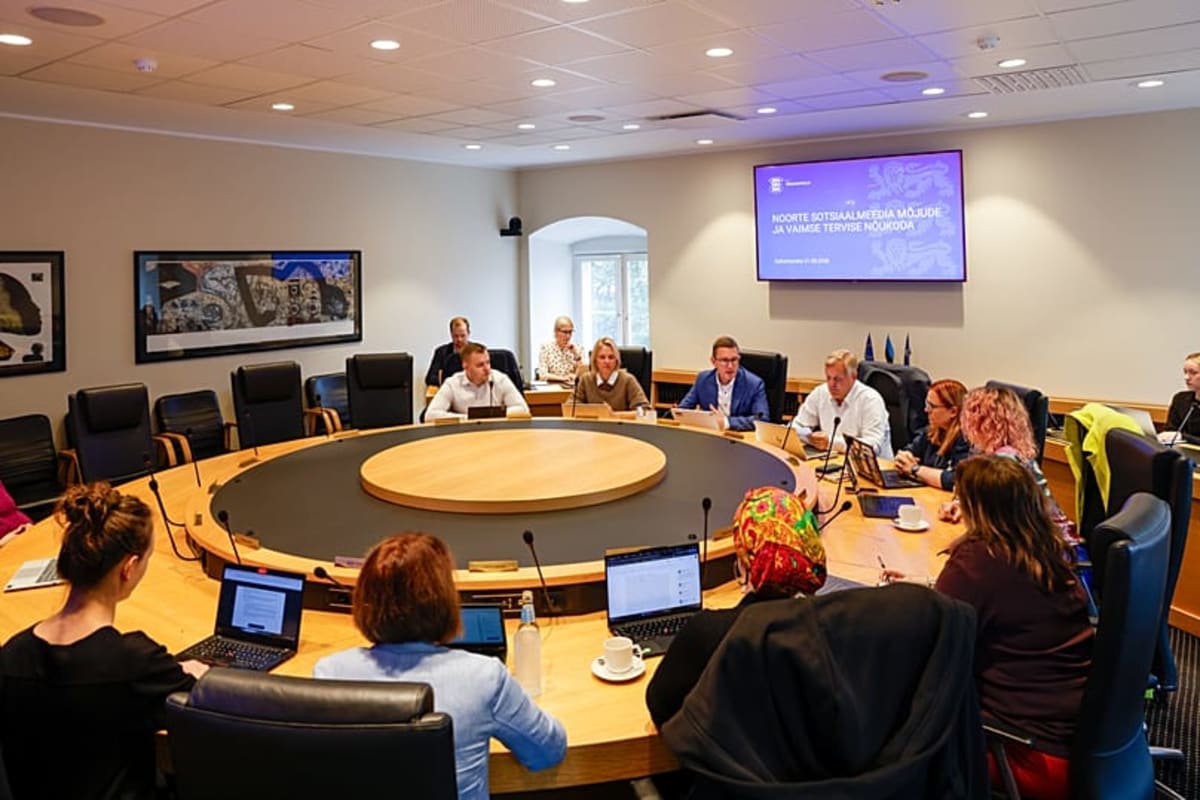
Prime Minister Kristen Michal just launched an expert advisory board to tackle growing mental health concerns among young people without resorting to blanket bans. The group of 10 specialists includes youth council members, neuroscientists, and clinical psychologists who will spend the next year developing practical solutions for families and schools.
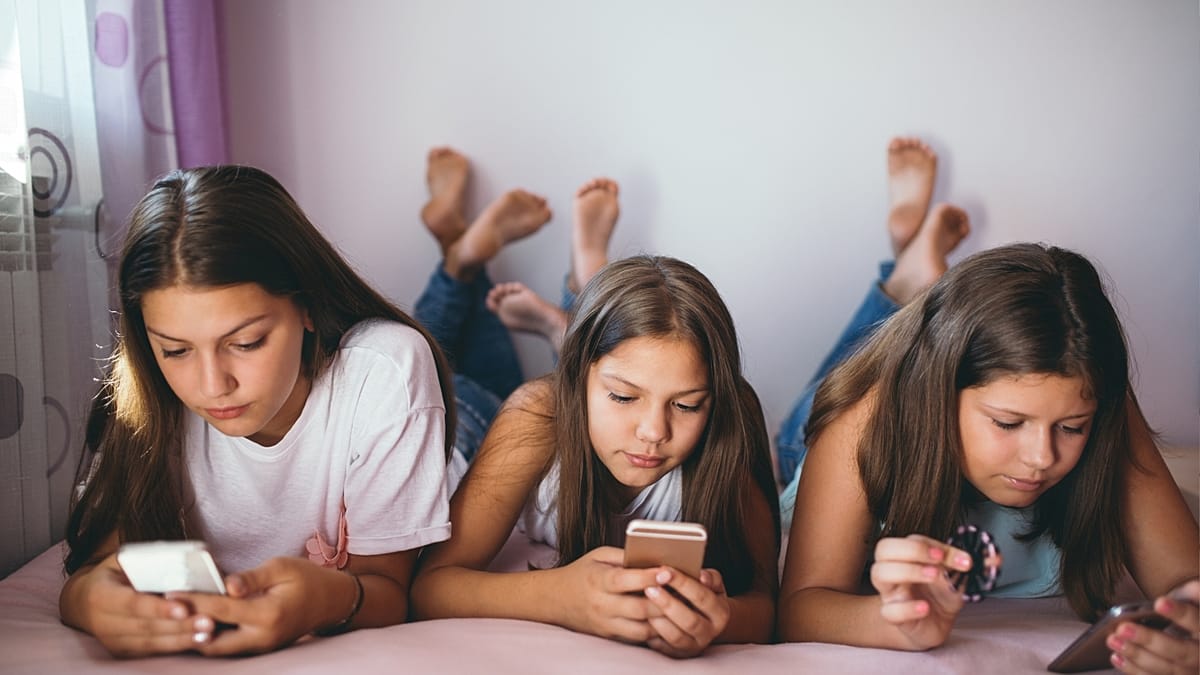
The numbers driving this decision are sobering but clear. In 2022, 8% of Estonian teens aged 11 to 15 showed signs of social media addiction, up from 6% in 2018. Girls are hit hardest, with 63% spending at least two hours daily on social networks compared to 47% of boys.
University of Tartu research found disturbing trends in what young people encounter online. Students increasingly report seeing harmful content, receiving explicit messages, and struggling with excessive internet use. The data shows direct links between online bullying, exposure to harmful content, and declining mental well-being.
But Estonia sees opportunity where others see only danger. Professor Andra Siibak, who chairs the advisory board, emphasizes working directly with young people to create recommendations that are both science-based and actually usable by teens themselves.
The team will focus on four key areas: identifying mental health risks, preventing problematic digital use, raising awareness among families, and creating safer digital spaces that protect young people's rights. The goal isn't to eliminate technology from teens' lives but to make their digital experiences healthier.
"More important than bans is to find solutions that would actually help our young people," Michal said. While countries like Belgium, Bulgaria, Denmark, and Spain rush toward restrictions, Estonia is betting on understanding and education instead.
The Ripple Effect
Estonia's approach could reshape how democracies handle the tension between protecting children and respecting their autonomy. By including young people in the solution design process, the country is modeling a collaborative approach that treats teens as partners rather than problems to be controlled.
The advisory board recognizes something crucial: digital environments play vital roles in modern youth culture. Experts aim to preserve those benefits while addressing real harms like shorter sleep, lower life satisfaction, and increased depressive episodes linked to excessive screen time.
This evidence-based strategy arrives as global pressure mounts on tech companies too. Meta just announced new Instagram and Facebook restrictions for minors following an $18 billion settlement with US states, proving that change is possible through multiple pathways.
Estonia's experiment offers hope that we can protect young minds without treating technology as purely toxic.
More Images



Based on reporting by Euronews
This story was written by BrightWire based on verified news reports.
Spread the positivity!
Share this good news with someone who needs it