%2Ffile%2Fattachments%2Forphans%2F12572361_279836.jpg)
Eswatini Rights Group Fights 7-Year Battle for Recognition
After seven years in court, a determined LGBTI rights organization in Eswatini refuses to back down in their fight for the constitutional right to exist. Their persistence is protecting civic freedom for everyone in the kingdom.
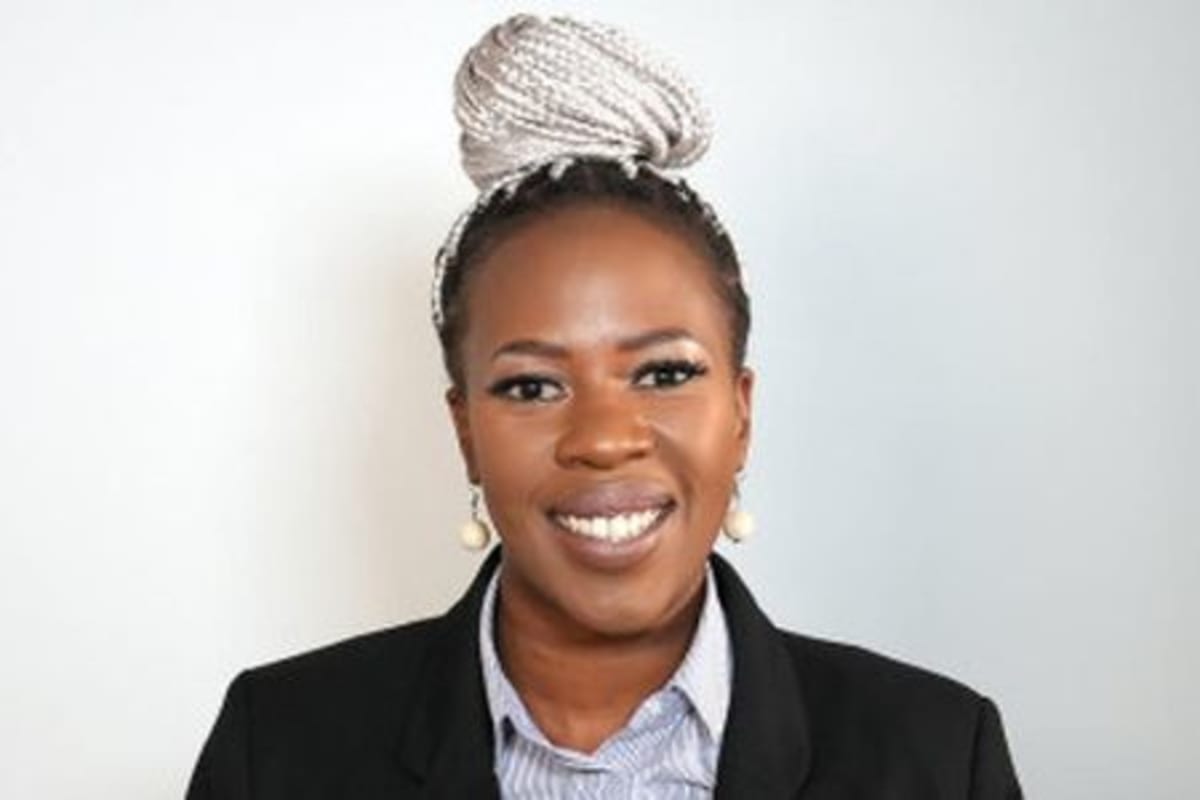
When Sisanda Mavimbela prepares for court these days, it's become routine. As Co-Director of Eswatini Sexual and Gender Minorities (ESGM), she's spent seven years fighting for something that should never have been disputed: the right to freely associate.
ESGM has been battling since 2019, when officials first rejected their application to register as a nonprofit organization. The group challenged the rejection and won a landmark Supreme Court ruling in 2023 declaring the denial unconstitutional.
But the victory was short-lived. In September 2024, the minister of commerce declined their application again, citing that Swazi "customary law does not recognize same-sex relationships." By August 2025, ESGM was back in court, and the case continues today.
The group's persistence is about more than LGBTI rights. Under international human rights law, freedom of association belongs to everyone without discrimination. When governments decide which people deserve the right to organize, civic freedom itself crumbles.
Eswatini's government has increasingly restricted civil society organizations that scrutinize state power and document abuses. In 2024, the country introduced a bill that local groups say "severely undermines the ability of human rights defenders and civil society organizations to operate freely and independently."
ESGM sees the courtroom as their classroom. Every hearing forces courts, government officials, and citizens to engage with conversations about equality that would otherwise be silenced. Continuous litigation keeps the spotlight burning.
The Ripple Effect
Courts across Africa are already leading the way. Botswana confirmed that all persons, whatever their sexual orientation, enjoy equal rights to form associations. Kenya's Supreme Court held that LGBTI organizations can register even where same-sex relationships remain criminalized.
Each ruling strengthens the legal foundation for civic freedom across the continent. ESGM's case gives Eswatini's courts the opportunity to affirm that constitutional rights belong to everyone, not just those the government finds acceptable.
For marginalised groups everywhere facing government crackdowns, ESGM's seven-year fight proves that persistence can gradually reshape the law. Their refusal to back down protects not just their own rights, but the civic space that allows any group to organize, advocate, and hold power accountable.
Seven years is a long time to fight for the right to simply exist as an organization, but ESGM knows that backing down would mean losing ground for civic freedom across their nation.
More Images
%2Ffile%2Fdailymaverick%2Fwp-content%2Fuploads%2F2025%2F10%2Flabel-Op-Ed.jpg)
%2Ffile%2Fattachments%2F2993%2Funnamed-2_396617.jpg)
Based on reporting by Daily Maverick
This story was written by BrightWire based on verified news reports.
Spread the positivity!
Share this good news with someone who needs it