Ethiopia Bans Gas Cars, 100,000 EVs Now on the Road
Ethiopia became the world's first country to ban gas and diesel car imports, and it's working. Just two years later, over 100,000 electric vehicles cruise its streets, powered almost entirely by renewable hydropower. #
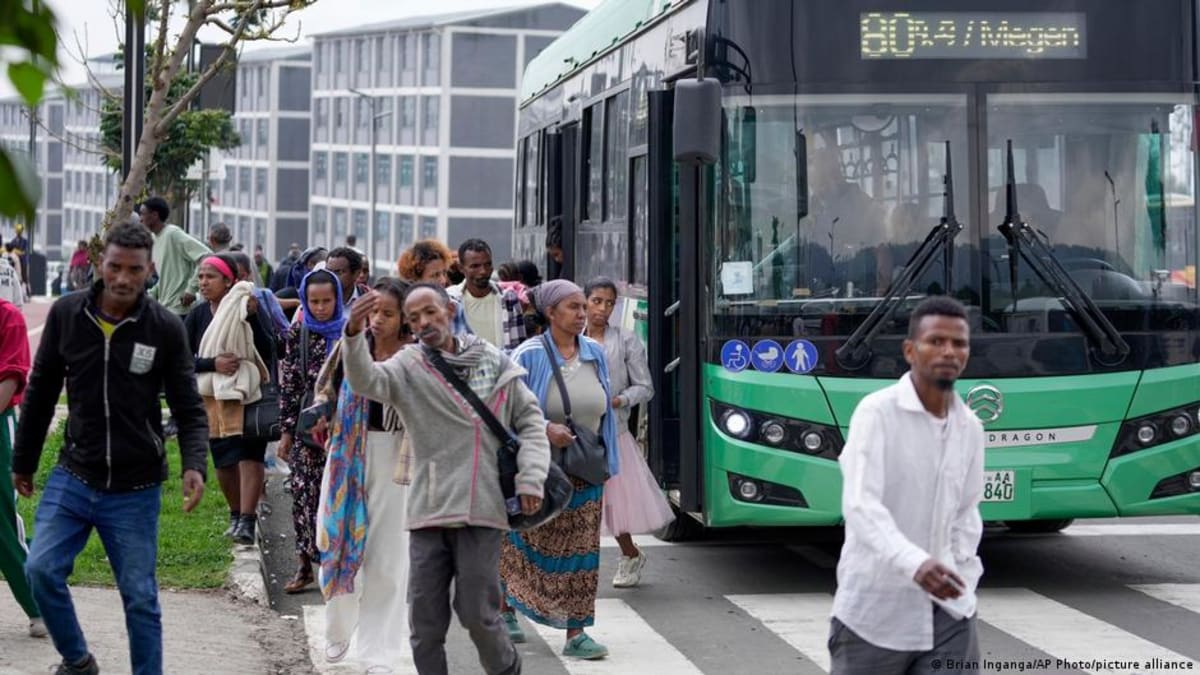
Shashe Asemare steers her mint-green electric bus through Addis Ababa's crowded streets with a smile. The difference from her old gas-powered bus is night and day: no exhaust fumes, no engine roar, just smooth, quiet rides for the 90,000 daily passengers who depend on her route.
Ethiopia shocked the world in early 2024 by becoming the first nation to ban gasoline and diesel car imports entirely. Transport Minister Alemu Sime called it a commitment to "green development," but the country had another powerful reason: survival.
This east African nation spent $4.6 billion on fuel imports in 2023 and 2024 alone. For one of the continent's poorest countries, where average salaries hover below $1,000 annually, that cost was crushing. Conventional fuel prices tripled since 2022, forcing difficult choices between energy and other basic needs.
The bold gamble is paying off faster than anyone expected. In just over two years, more than 100,000 of Ethiopia's 1.2 million registered vehicles now run on electricity. Electric cars represent over 5% of the total fleet, matching the European Union's adoption rate.
Taxi driver Abdurahman Ali knows the math by heart. His old Toyota cost him 40,000 to 50,000 birr monthly in fuel. His new Chinese-made electric car? Just 5,000 birr charged at home. "That's a huge difference," he says, grinning behind the wheel of his mint-colored Changan hatchback.
What makes Ethiopia's electric revolution truly remarkable is what powers it. The country generates over 96% of its electricity from renewable hydropower, earning it the nickname "Africa's water tower." The newly opened Grand Ethiopian Renaissance Dam will more than double the nation's electricity supply with 5,000 megawatts of clean energy.
The government sweetened the deal with tax breaks for EVs and helped establish 17 plants assembling electric vehicles from Chinese parts. Addis Ababa introduced 100 new electric buses in 2025, joining Africa's first fully electric light rail system.
The Ripple Effect
Ethiopia's transformation reaches beyond its borders. In April, a Chinese construction company inaugurated 50 heavy-duty electric trucks at an airport construction site, proving the technology works for industrial applications too. The country aims for 500,000 electric vehicles by 2030, a target that suddenly seems achievable.
Passenger Zeraye Tekelu captures the mood riding the new electric buses: "They're very comfortable to travel in. They're also better because they don't pollute the air. This is a step forward for our country."
Challenges remain. Only 500 charging stations exist nationwide, mostly concentrated in Addis Ababa. Around half of Ethiopia's 110 million people still live without electricity access. Starting prices for new electric cars at $19,700 remain steep for most families.
Private entrepreneurs like Ezekiyas Dufera are already filling the charging gap, spotting business opportunities in the infrastructure needs. As global oil markets face instability, Ethiopia's Ministry of Transport points to the country's electric shift as proof that affordable, sustainable transportation is possible even in developing nations.
One electric bus, one taxi, one charging station at a time, Ethiopia is writing a new story about what's possible when necessity meets innovation.
#
More Images

Based on reporting by Google News - Electric Vehicle
This story was written by BrightWire based on verified news reports.
Spread the positivity!
Share this good news with someone who needs it