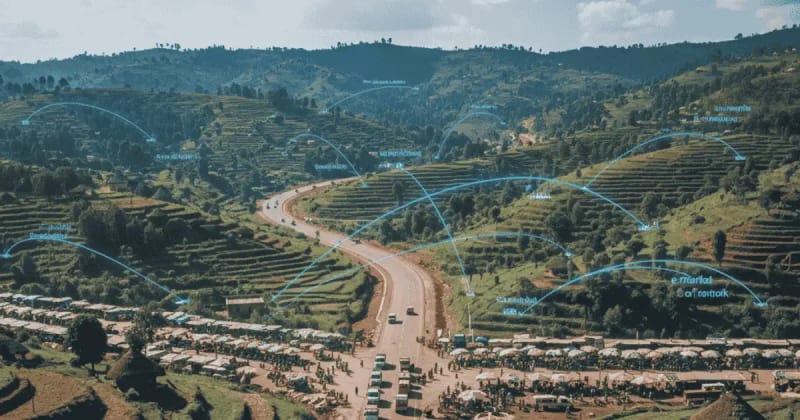
Ethiopia Builds 13-Region Road Network for Rural Farmers
Ethiopia is connecting millions of rural farmers to markets with new all-weather roads, cutting transport costs and opening access to healthcare and education. The $300 million project spans all 13 regions and aims to transform lives for families who've been isolated for generations.
For farmers in Ethiopia's remote villages, a simple trip to sell crops or visit a doctor has meant hours of difficult travel on impassable roads. That's changing as the country launches its largest rural connectivity project yet, bringing all-weather roads to millions of people who need them most.
The Ethiopian government is building climate-resilient roads and bridges across all 13 regions with support from a $300 million World Bank grant. The project will directly benefit millions of rural residents, half of them women, by slashing travel times and transportation costs that have kept farming families trapped in poverty.
The impact goes far beyond easier commutes. Farmers can now get their produce to market before it spoils, dramatically reducing post-harvest losses that once ate into already thin profits. Lower transport costs mean higher incomes, and better road access lets families reach hospitals, schools, and agricultural support services that were previously out of reach.
To make it happen, the United Nations Office for Project Services delivered 88 specialized earth-moving machines in late 2025, including motor graders, wheel loaders, and rollers. These purpose-built vehicles will construct and maintain the road networks year-round, ensuring they remain passable even during rainy seasons.
The project also includes digital innovation. New e-market platforms will connect farmers directly with buyers online, eliminating middlemen and giving rural producers more control over their sales and pricing.
The Ripple Effect
Research shows that families living within two kilometers of quality roads earn significantly higher farm incomes and are more likely to find off-farm work, diversifying their income sources. Children attend school more regularly when roads are passable, and families seek medical care sooner when clinics become accessible, creating long-term improvements in health and education outcomes.
The rural roads initiative is part of Ethiopia's broader Rural Transformation Roadmap, which pairs infrastructure with agricultural training, value-chain development, and market linkage programs. Government planners are ensuring these investments work together to create lasting change rather than isolated improvements.
Development experts note that rural road access is one of the most powerful tools for breaking cycles of poverty. When farmers can participate fully in markets, access essential services, and connect with economic opportunities, entire communities begin to thrive.
For Ethiopia's rural families, these roads represent more than concrete and gravel—they're pathways to opportunity, health, education, and a more secure future.
Based on reporting by Regional: ethiopia development (ET)
This story was written by BrightWire based on verified news reports.
Spread the positivity!
Share this good news with someone who needs it