Ethiopia Builds 300M Roads to Connect Farmers to Markets
Millions of Ethiopian farmers are getting connected to markets, healthcare, and schools through a massive rural road-building program backed by $300 million in funding. The project is already cutting transport costs and boosting incomes in communities that have been isolated for generations.
Ethiopian farmers who once spent hours hauling crops over rough terrain can now reach markets in a fraction of the time, thanks to a nationwide push to build all-weather roads connecting remote villages to opportunity.
The Ethiopian government is investing heavily in rural roads and essential services, aiming to link farmers to local and regional markets while slashing transport costs. The initiative is already helping farmers move their products more efficiently, increase their incomes, and access services that were once out of reach.
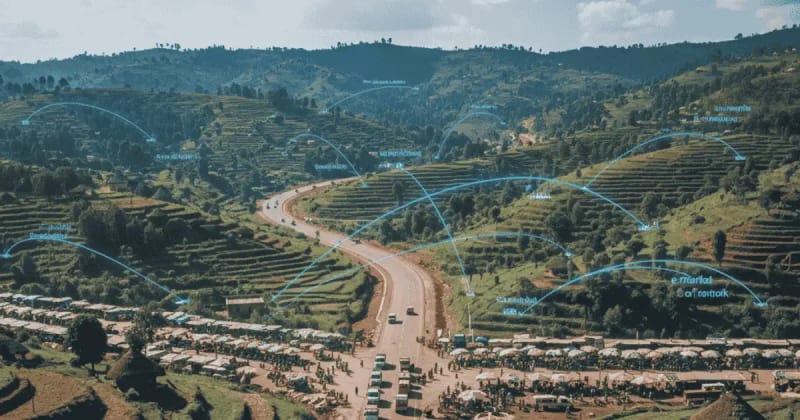
A $300 million grant from the World Bank's International Development Association is funding climate-resilient roads and bridges across all 13 of Ethiopia's regions. The project will benefit millions of rural residents, with half of them women, by improving both physical and digital market access through new e-market platforms that connect farmers directly with buyers.
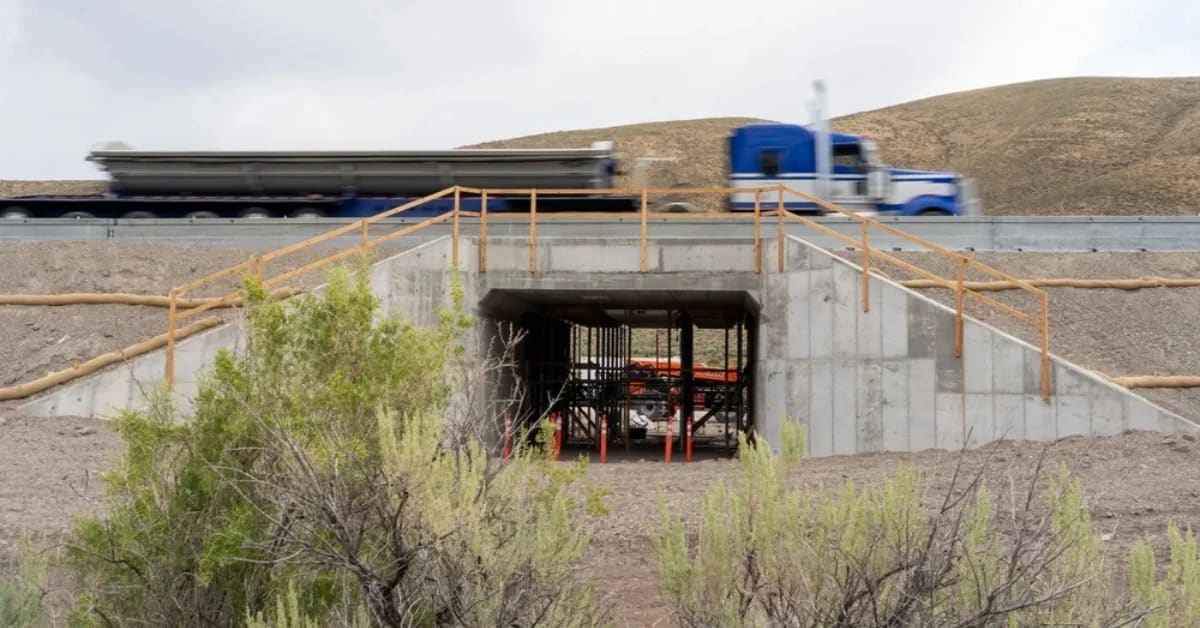
To turn these plans into reality, the United Nations Office for Project Services signed an $8.1 million agreement with Ethiopia in late 2025 to purchase 88 specialized construction vehicles. Motor graders, wheel loaders, and rollers are now building and maintaining road networks designed to withstand all seasons, reducing the crop losses that happen when farmers can't get their harvest to market in time.
The impact goes far beyond commerce. Better roads mean families can reach hospitals faster, children can get to school more easily, and agricultural experts can visit remote farms to share knowledge and support. These connections are transforming daily life in areas where distance once meant limited choices.
Research shows that farmers living within two kilometers of quality roads earn significantly higher incomes and are more likely to find off-farm work, creating financial safety nets for their families. The combination of reliable transportation and diverse income sources helps rural households weather economic shocks and build more stable futures.
The Ripple Effect
Ethiopia's road-building program sits at the heart of a broader rural transformation strategy that weaves together infrastructure, agricultural support, and skills training. Government planners are ensuring that new roads come alongside market linkage programs and value-chain development, so communities gain the full benefit of being connected.
The results are already visible in reduced logistics costs, lower post-harvest losses, and stronger food security across rural regions. As more villages gain reliable access to markets and services, entire communities are breaking free from cycles of isolation and poverty that have persisted for generations.
These investments are helping Ethiopia build toward economic diversification, stronger regional trade, and greater climate resilience, all while improving quality of life for millions who call rural areas home.
Based on reporting by Regional: ethiopia development (ET)
This story was written by BrightWire based on verified news reports.
Spread the positivity!
Share this good news with someone who needs it