Ethiopia Celebrates 60 Years of Wildlife Conservation Wins
After six decades of dedicated conservation work, Ethiopia is protecting some of Africa's rarest species while building a thriving ecotourism industry. The country's 87 protected areas now attract nature lovers worldwide to see animals found nowhere else on Earth.
Ethiopia just hit a conservation milestone that's making waves across Africa. The country is celebrating 60 years of wildlife protection efforts that have saved endangered species and created thousands of jobs for local communities.
The Ethiopian Wildlife Conservation Authority hosted an anniversary celebration bringing together government leaders, conservationists, and tourism experts. Tourism State Minister Sileshi Girma announced that Ethiopia's unique ecosystems are now recognized globally as must-see destinations for nature enthusiasts.
The results speak for themselves. Ethiopia protects wildlife that exists nowhere else on the planet, including the Ethiopian wolf, Africa's most endangered carnivore. The Walia ibex thrives on cliff faces in the Simien Mountains, while Gelada baboons captivate photographers with their striking red chests and complex social behaviors.
The country has expanded its network to include over 87 conservation areas. Parks like Omo, Mago, Chebera Churchura, and Gambella are becoming top ecotourism destinations, offering visitors experiences that differ completely from traditional African safari circuits.
The Ripple Effect
This conservation success is transforming rural communities across Ethiopia. Local residents are finding new jobs as guides, hospitality workers, and artisans serving the growing number of international visitors.
The country's Green Legacy Initiative is accelerating this positive change. The program restores ecosystems while creating economic opportunities through birdwatching tours, trekking expeditions, and wildlife observation experiences.
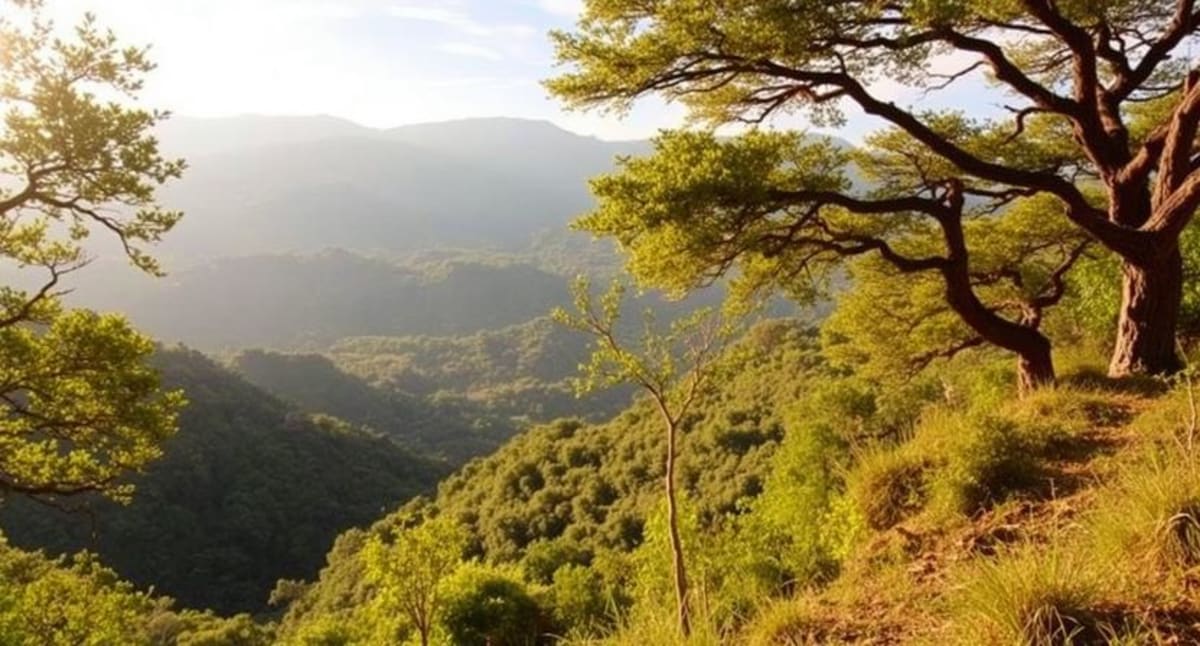
Director General Kumera Wakjira says these protected areas offer travelers genuine off-the-beaten-path adventures. Visitors can trek through dramatic highlands, explore dense forests, or watch rare animals across vast open plains.
Ethiopia is partnering with international organizations to strengthen protections against illegal hunting and climate change impacts. These collaborations are developing sustainable tourism practices that benefit both wildlife and people.
The model is working so well that other African nations are watching closely. Ethiopia proves that protecting nature and building economic prosperity can happen together, creating a blueprint for conservation-based development across the continent.
Based on reporting by Google News - Conservation Success
This story was written by BrightWire based on verified news reports.
Spread the positivity!
Share this good news with someone who needs it